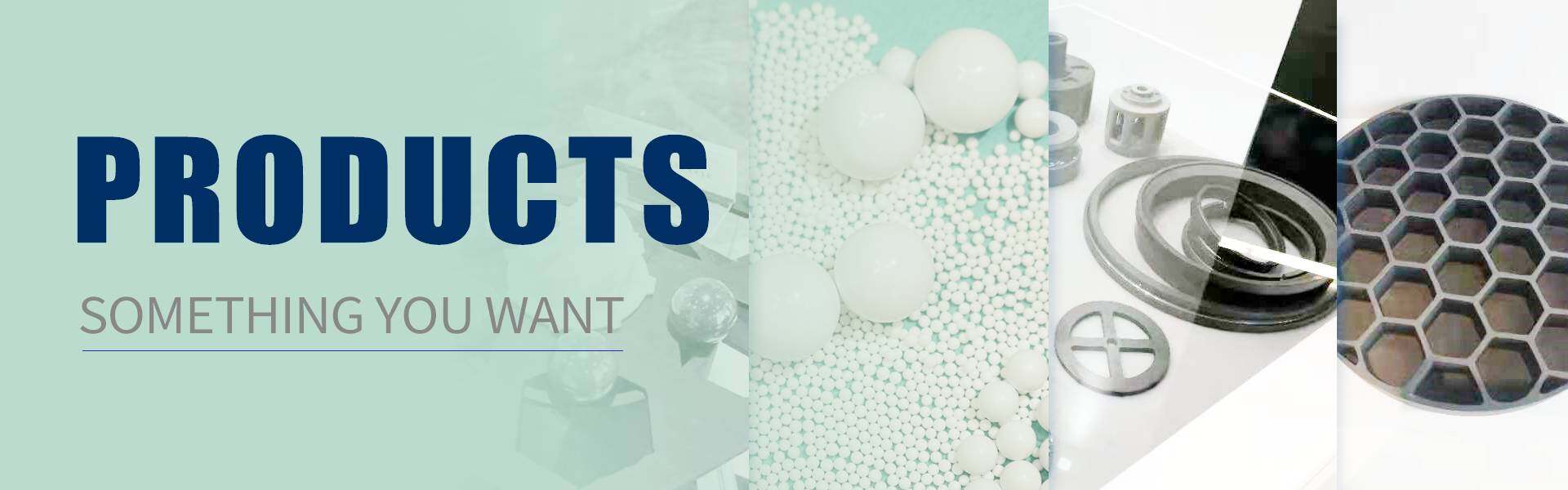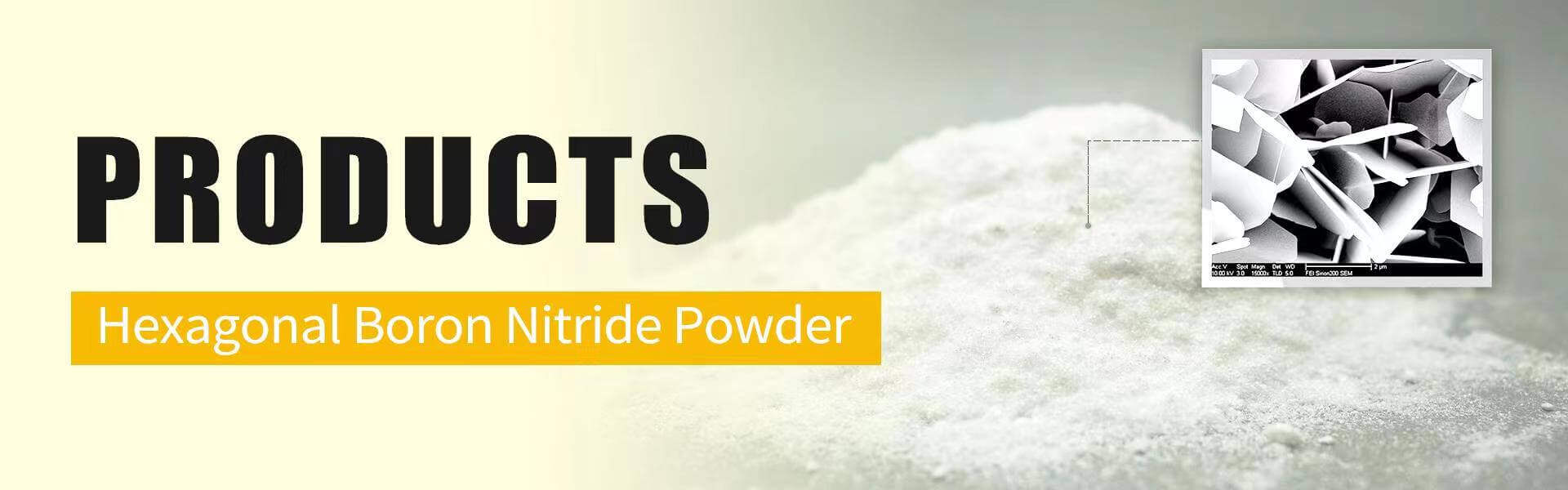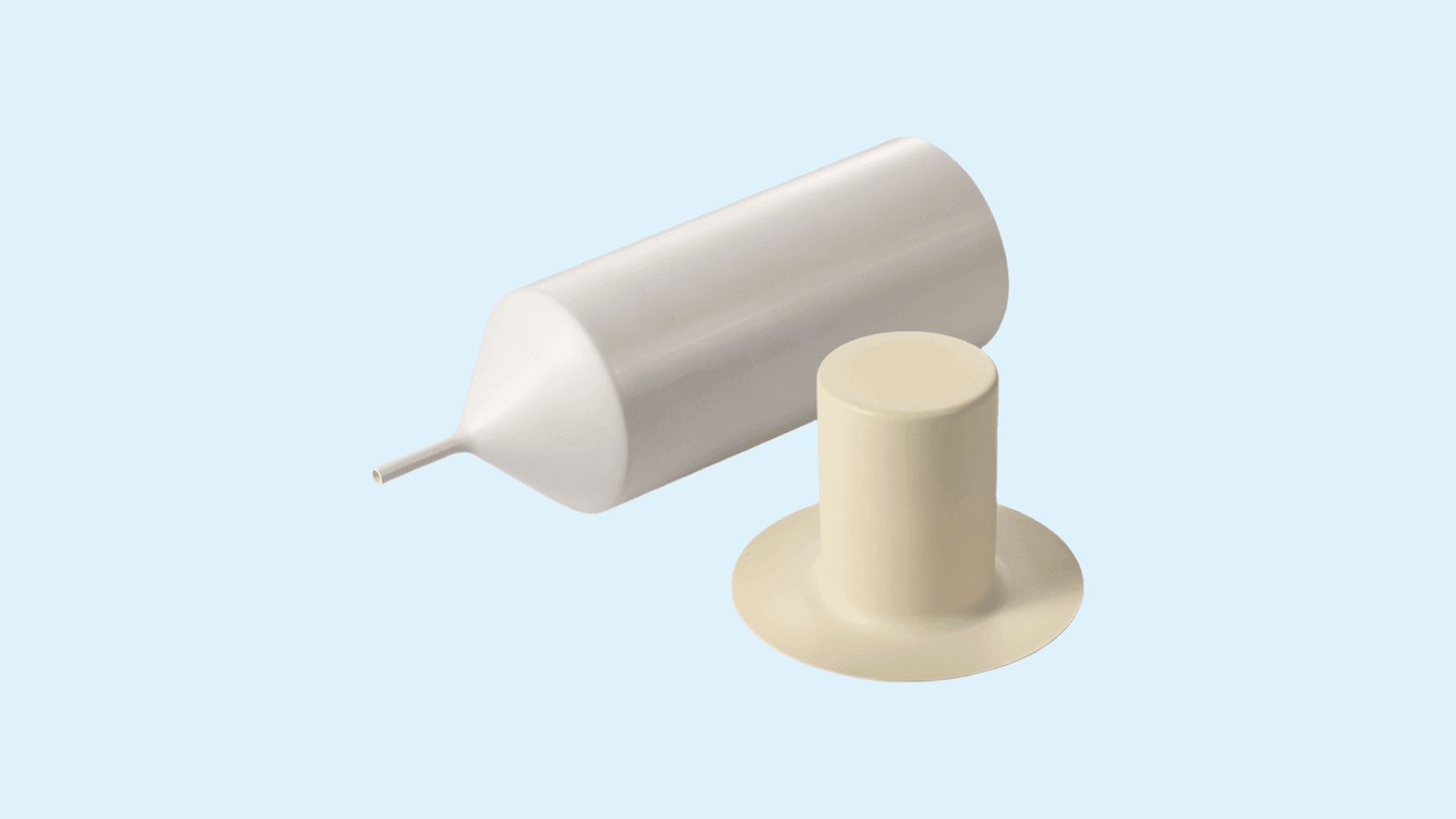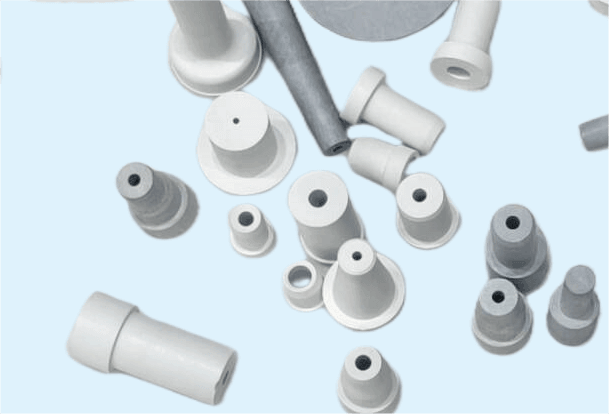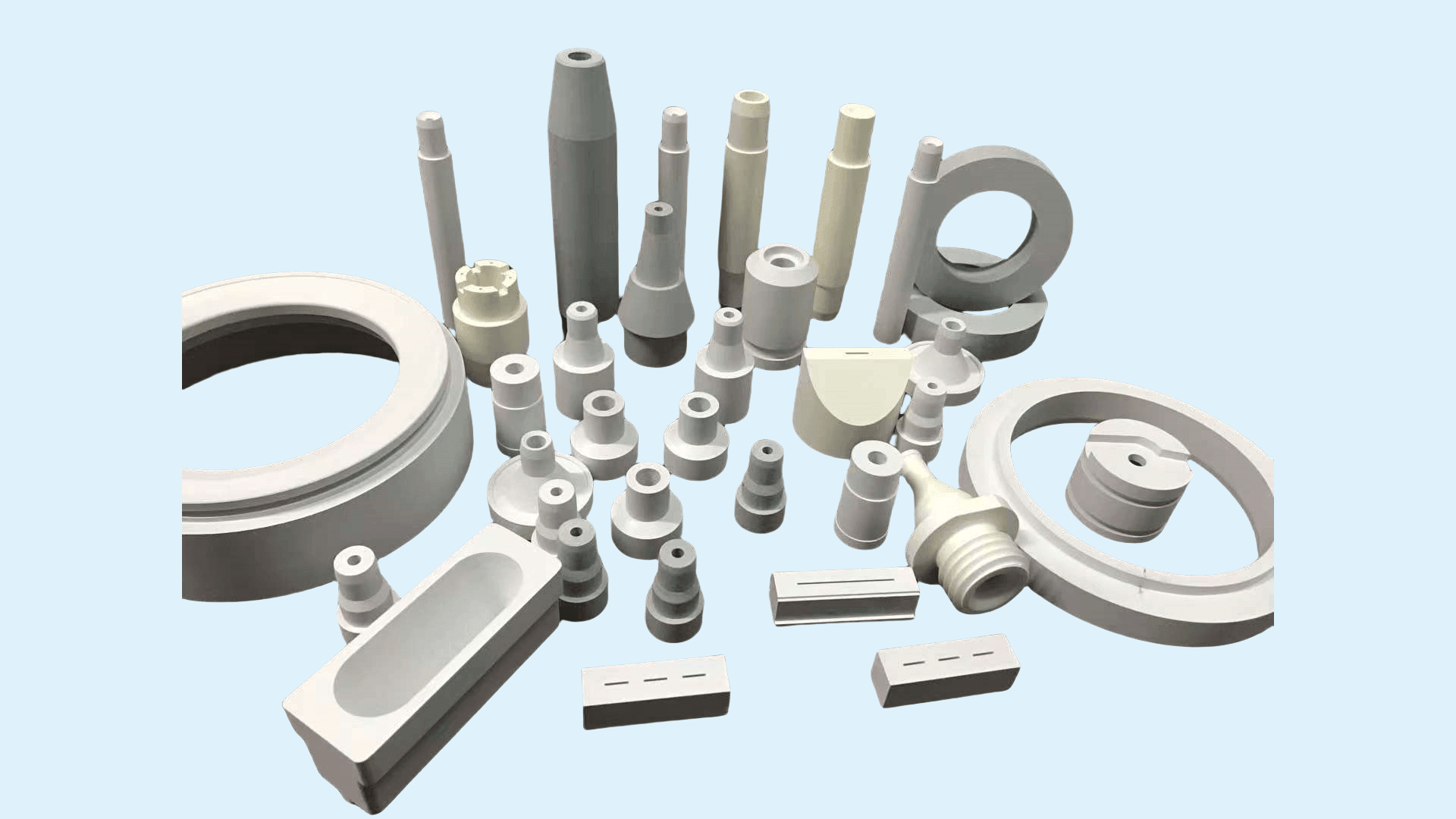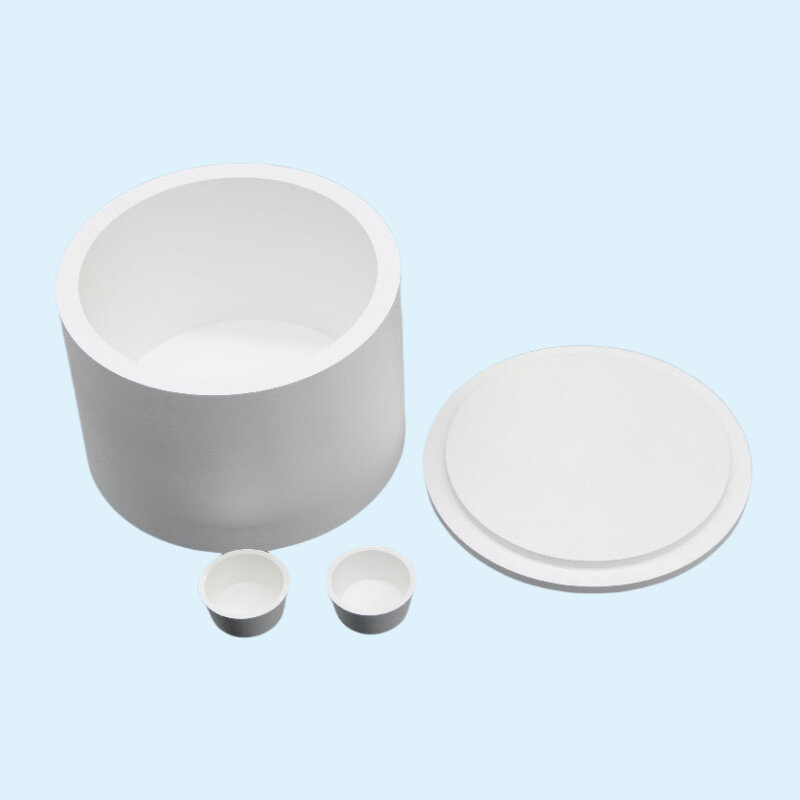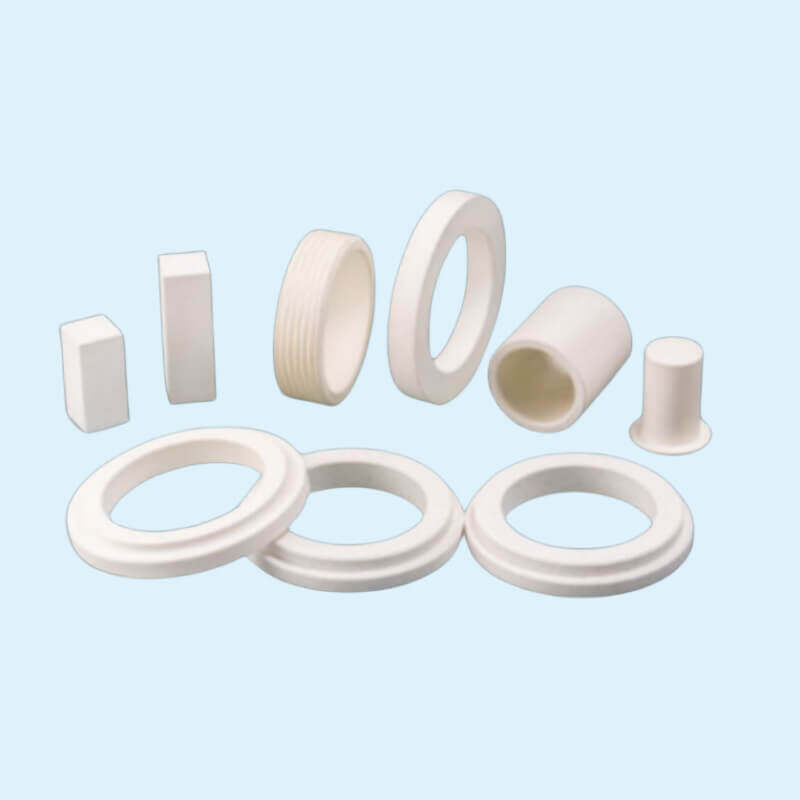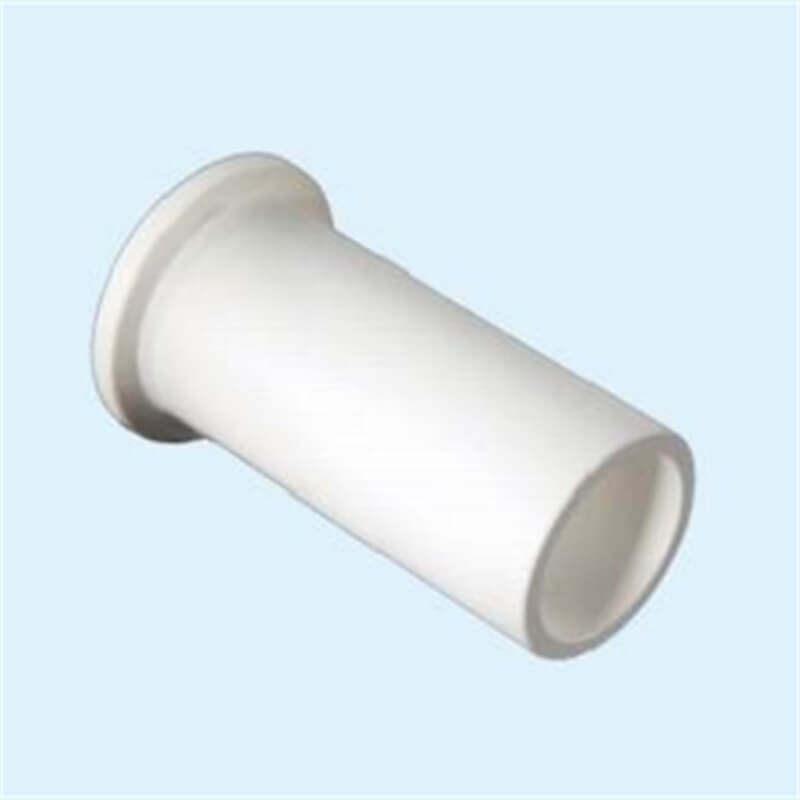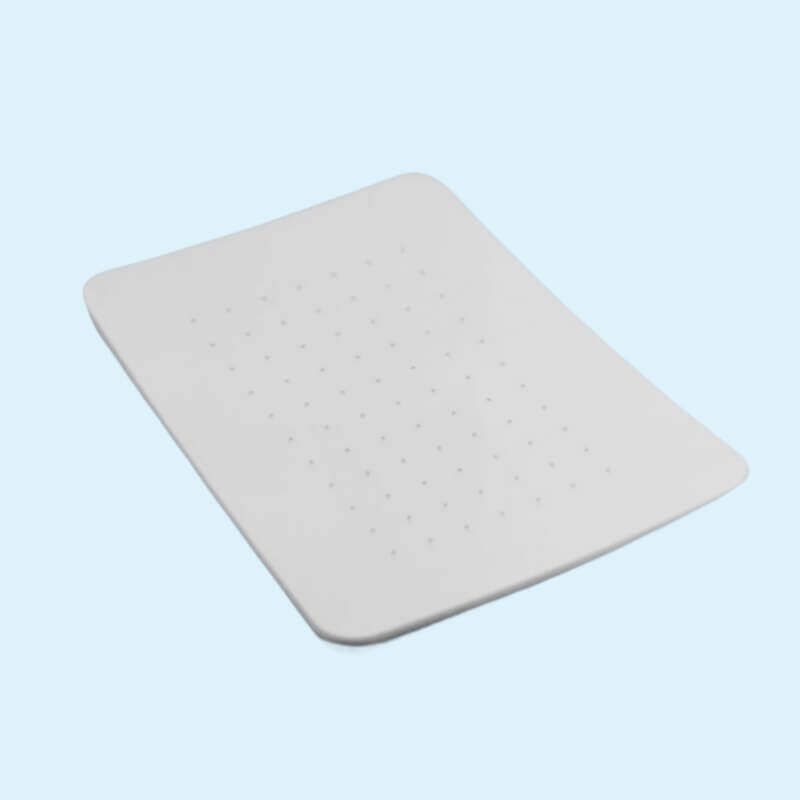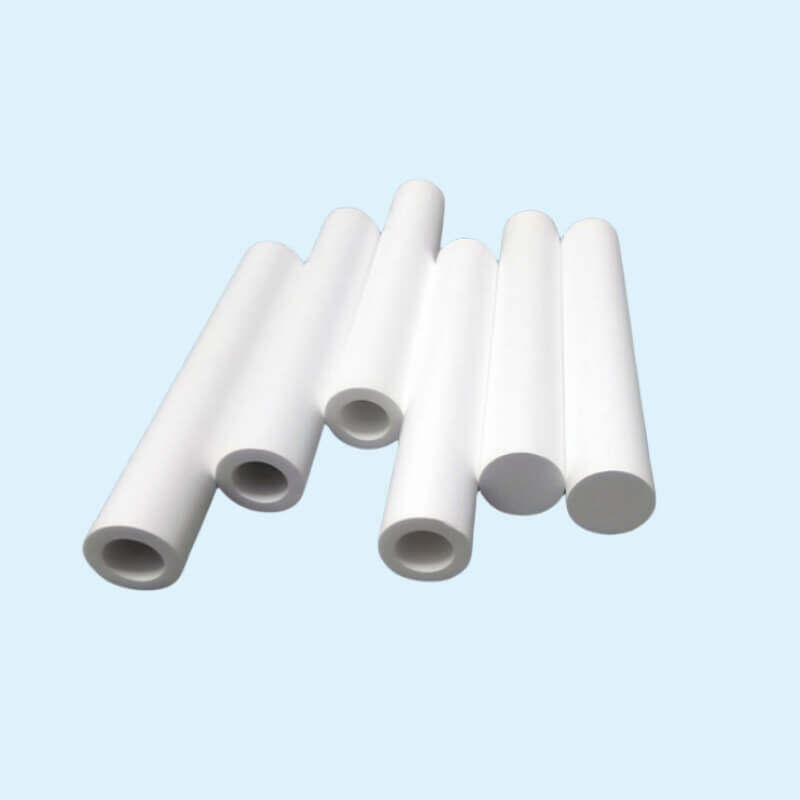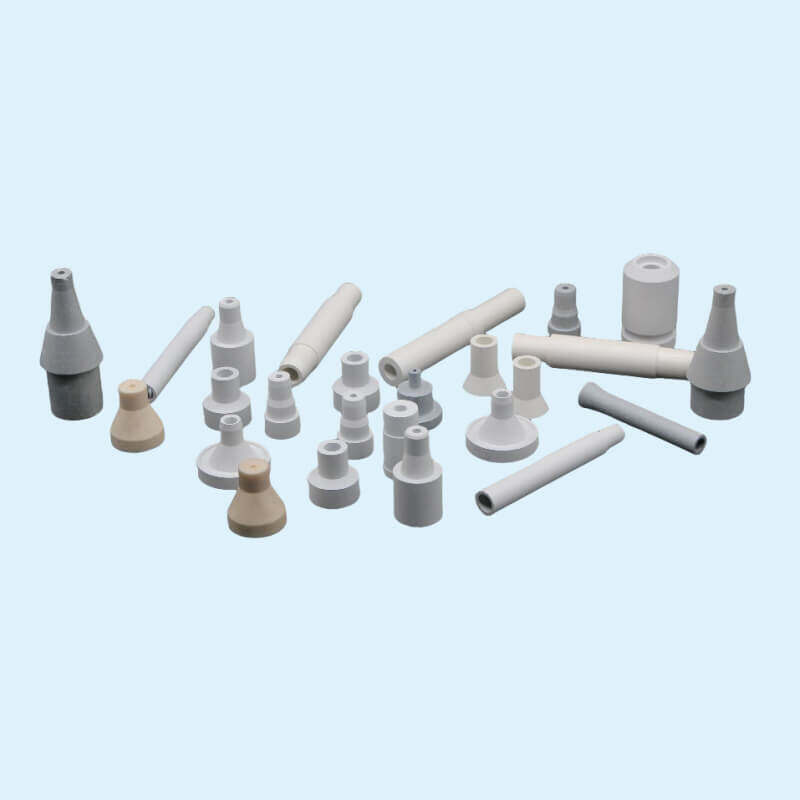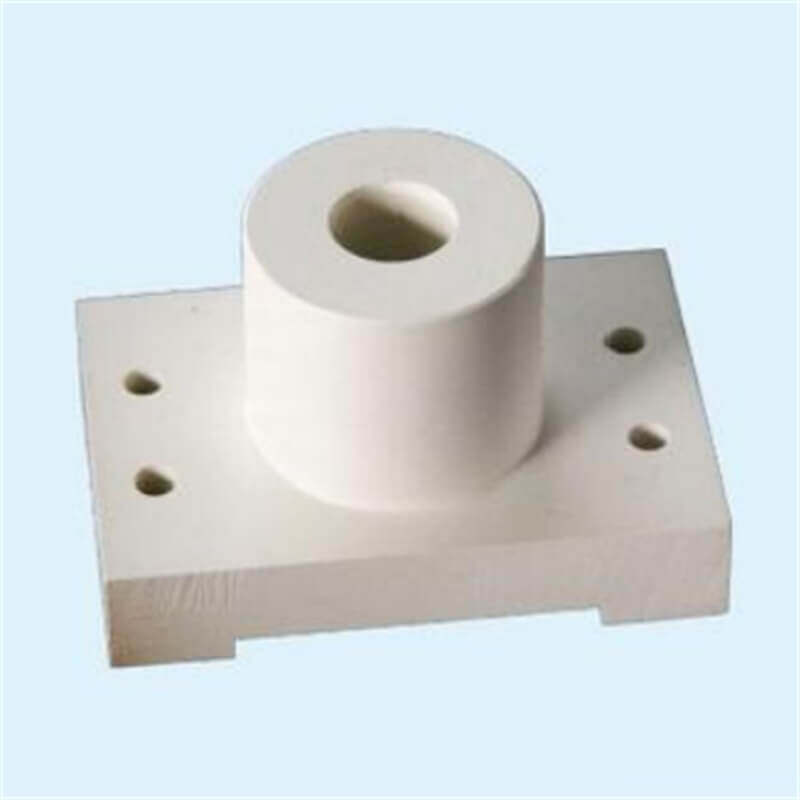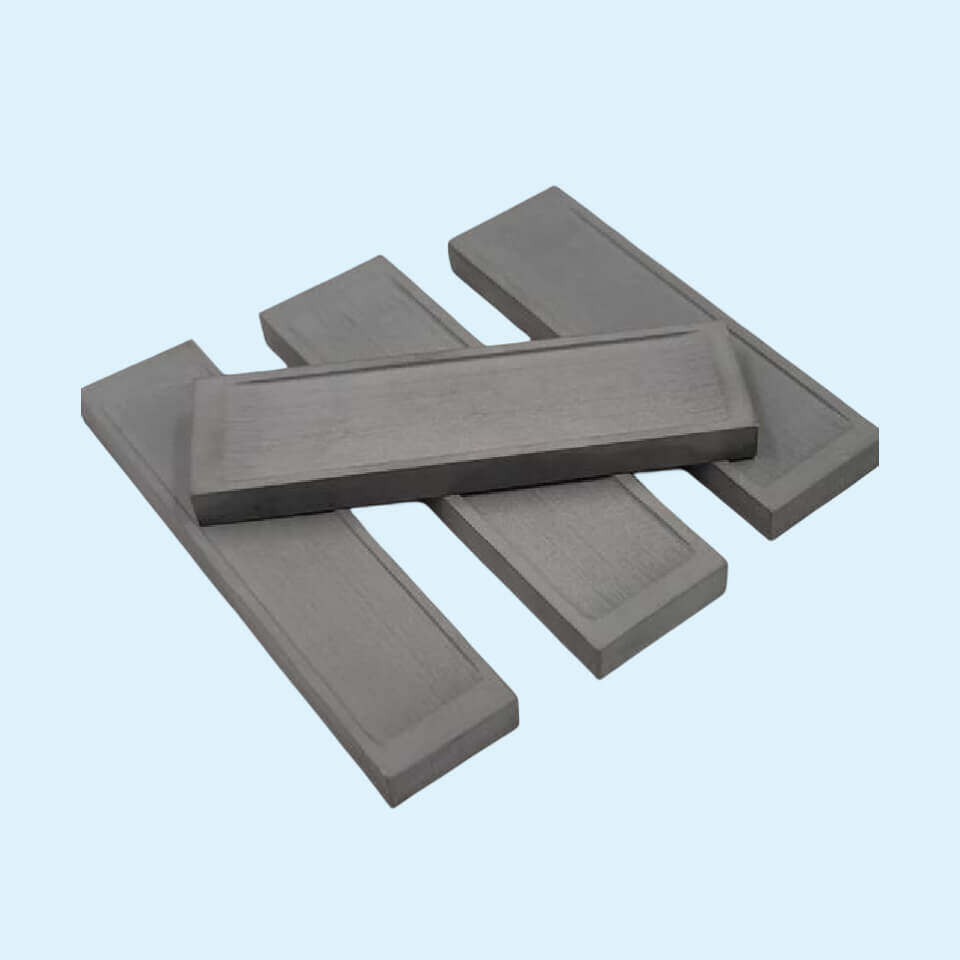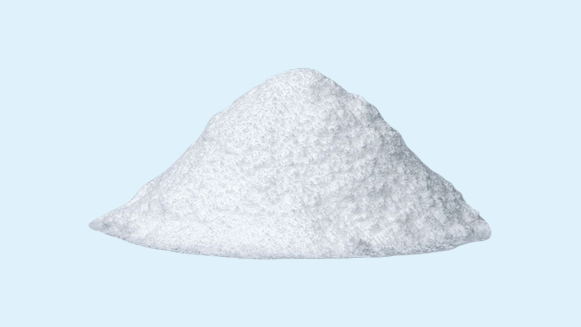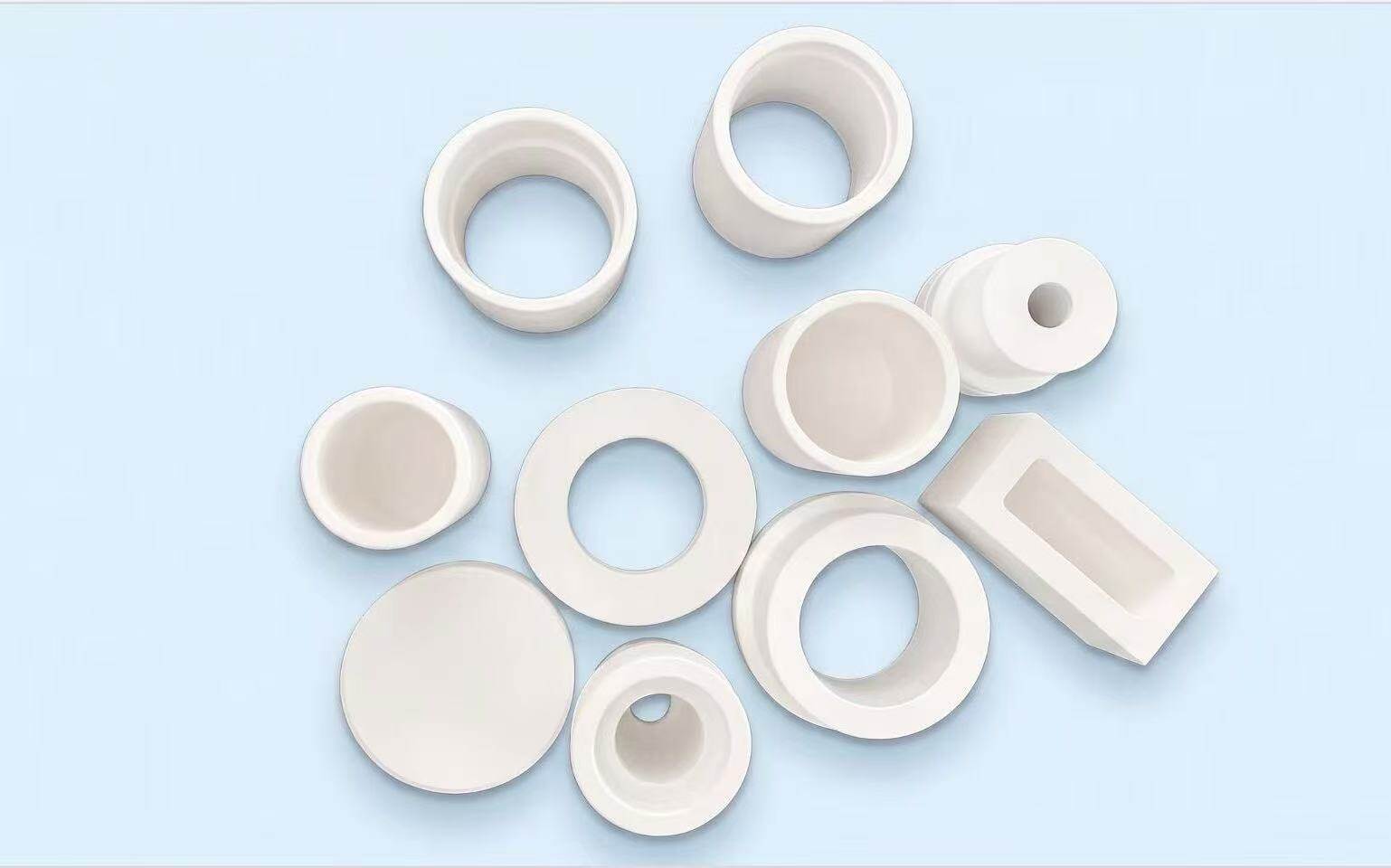
They are widely used in precious Metals Smelting, horizontal continuous casting separation rings, thin strip continuous casting side sealing plates, metal powder atomization nozzles, etc. The highest temperature resistance is 2100℃, which can effectively extend the product life, reduce the downtime rate, and significantly improve the economic benefits of the factory.
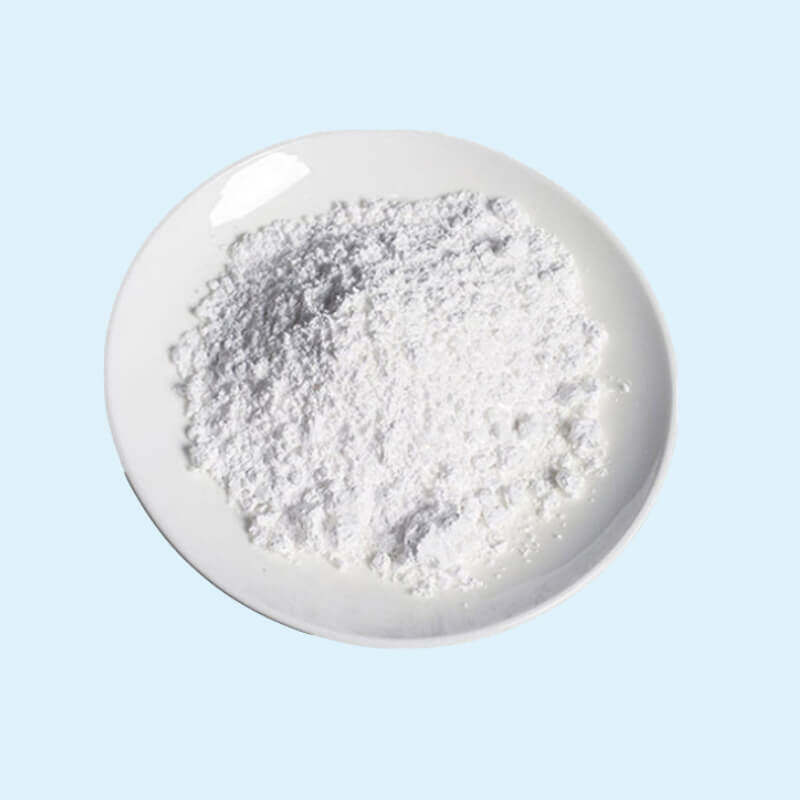
At Cersol, we offer tailored Boron Nitride solutions for every extreme environment. While our Ultra-High Purity h-BN (BN > 99.7%, ultra-low oxygen) is the ultimate choice for specialized thermal and dielectric applications, heavy-duty industrial processes require enhanced structural integrity.
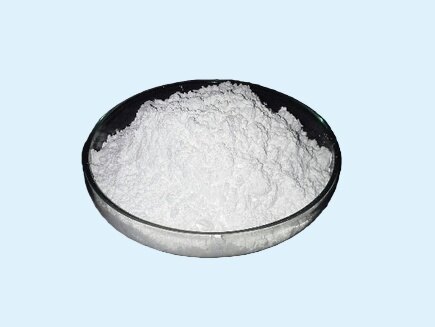
Enter our Boron Nitride Composites. By compounding h-BN with advanced ceramics like AlN, ZrO₂, SiC, and Si₃N₄, we bridge the gap between thermal versatility and mechanical power. The result is an advanced engineering ceramic that maintains the legendary machinability, non-wetting properties, and thermal shock resistance of BN, while delivering massively upgraded compressive strength, wear resistance, and high-temperature endurance.
Exceptional High-Temperature Stability: Capable of withstanding up to 2100℃ in inert environments, making them perfect for extreme thermal applications. This effectively extends product life, reduces downtime, and improves economic benefits.
Non-Wetting to Molten Metals: These composites do not react with or wet most molten metals (such as aluminum, magnesium, and zinc) and glass.
These makes them BN material for:
Selection should be based on precise requirements. Below are the properties of our various BN composite grades, completely replacing standard pure BN where higher strength is needed.
| Property | Unit |
C-BN-H (BN>99.7%) |
C-BN-99 (BN>99%) |
C-BN-A1 (BN+Al₂O₃+SiO₂) |
C-BN-A2 (BN+ZrO₂+Al₂O₃) |
C-BN-S1 (BN+SiC) |
C-BN-Z (BN+ZrO₂) |
C-BN-A3 (BN+AlN) |
C-BN-S2 (BN+Si₃N₄) |
C-BN-S+ (BN+Si₃N₄) |
|---|---|---|---|---|---|---|---|---|---|---|
| Color | - | White | White | White Gray | White Gray | Gray-Green | White Graphite | Gray-Green | Dark-Gray | Dark Gray |
| Density | g/cm³ | 1.50- 1.60 | 1.95-2.05 | 2.20~2.30 | 2.25-2.35 | 2.40-2.50 | 2.75-2.85 | 2.75-2.85 | 2.20-2.30 | 2.70-2.80 |
| Electrical Resistivity | Ω.cm | >1014 | >1014 | >1013 | >1013 | >1012 | >1012 | >1013 | >1013 |
>1013 |
| Max Temp (In Air) | ℃ | 900 | 900 | 1000 | 1000 | 1000 | 1000 | 1000 | 1000 | 1000 |
| Max Temp (Inert Gas) | ℃ | 2100 | 2100 | 1750 | 1800 | 1800 | 1800 | 1800 | 1800 | 1800 |
| Max Temp (Vacuum) | ℃ | 1900 | 1900 | 1750 | 1800 | 1800 | 1800 | 1800 | 1800 | 1800 |
| Bending Strength | MPa | 18 | 30 | 60 | 85 | 85 | 100 | 120 | 220 | 280-320 |
| Compressive Strength | MPa | 25 | 45 | 145 | 145 | 150 | 220 | 220 | 400 | 450~500 |
| Thermal Expansion | 10⁻⁶/K | 1.5 | 1.8 | 2 | 2 | 2.8 | 3.5 | 2.8 | 2.8 | 2.8 |
| Thermal Conductivity | W/m·K | 35 | 40 | 35 | 35 | 45 | 30 | 85 | 45 | 45 |
| HSD | - | 12 | 18 | 40 | 40 | 40 | 45 | 45 | 55 | 65-75 |
Source: Cersol Technical Data Sheet
The Issue: While exceptional in vacuum or inert atmospheres (up to 2100℃), Boron Nitride will begin to oxidize in oxygen-rich environments at temperatures exceeding 900℃ - 1000℃.
The Solution: If your application involves high temperatures in regular air, consider our Alumina (Al₂O₃) or Silicon Carbide (SiC) ceramics.
The Issue: Although composites are much stronger than pure BN, their Shore Hardness (up to 55 HSD) still makes them softer than structural ceramics like Zirconia. They are not intended for heavy ballistic impact or extreme abrasive wear environments.
Choose C-BN-Z (ZSBN - Zirconia Boron Nitride): The go-to choice for metal continuous casting break rings. Zirconia provides the toughness, while BN provides the lubricity and thermal shock resistance.
Choose C-BN-A3 (BN-AlN): Ideal for high-temperature electrical insulators and components requiring superior thermal conductivity (85 W/mK) in semiconductor equipment.
Choose C-BN-S2 (BN-Si₃N₄): Select this when you need the highest possible mechanical strength (Bending Strength 220 MPa, Compressive 400 MPa) while maintaining excellent thermal shock resistance for harsh powder metallurgy environments.
Q: Can these composite ceramics be machined?
A: Yes! Unlike Alumina, BN composites have excellent machinability. They can be turned, milled, and drilled into complex shapes with tight tolerances using standard carbide tooling, eliminating the need for expensive diamond grinding after sintering.
Q: Do these composites react with molten aluminum?
A: No. One of the greatest features of our BN composites (especially ZSBN and BN-AlN) is their non-wetting characteristic. Molten aluminum and magnesium will not adhere to the surface, making them perfect for atomization nozzles.
Q: What is the maximum size Cersol can custom manufacture for BN ceramics?
A: We have advanced manufacturing capabilities that allow us to produce exceptionally large BN ceramic components, with maximum dimensions reaching up to 1.2m × 1.2m. Please note that the final achievable size depends on the specific composite material grade and the complexity of your design drawings.
We are not just a supplier; we are your advanced materials consultants. We ensure every batch of BN composite meets strict structural and thermal standards for your extreme environments.
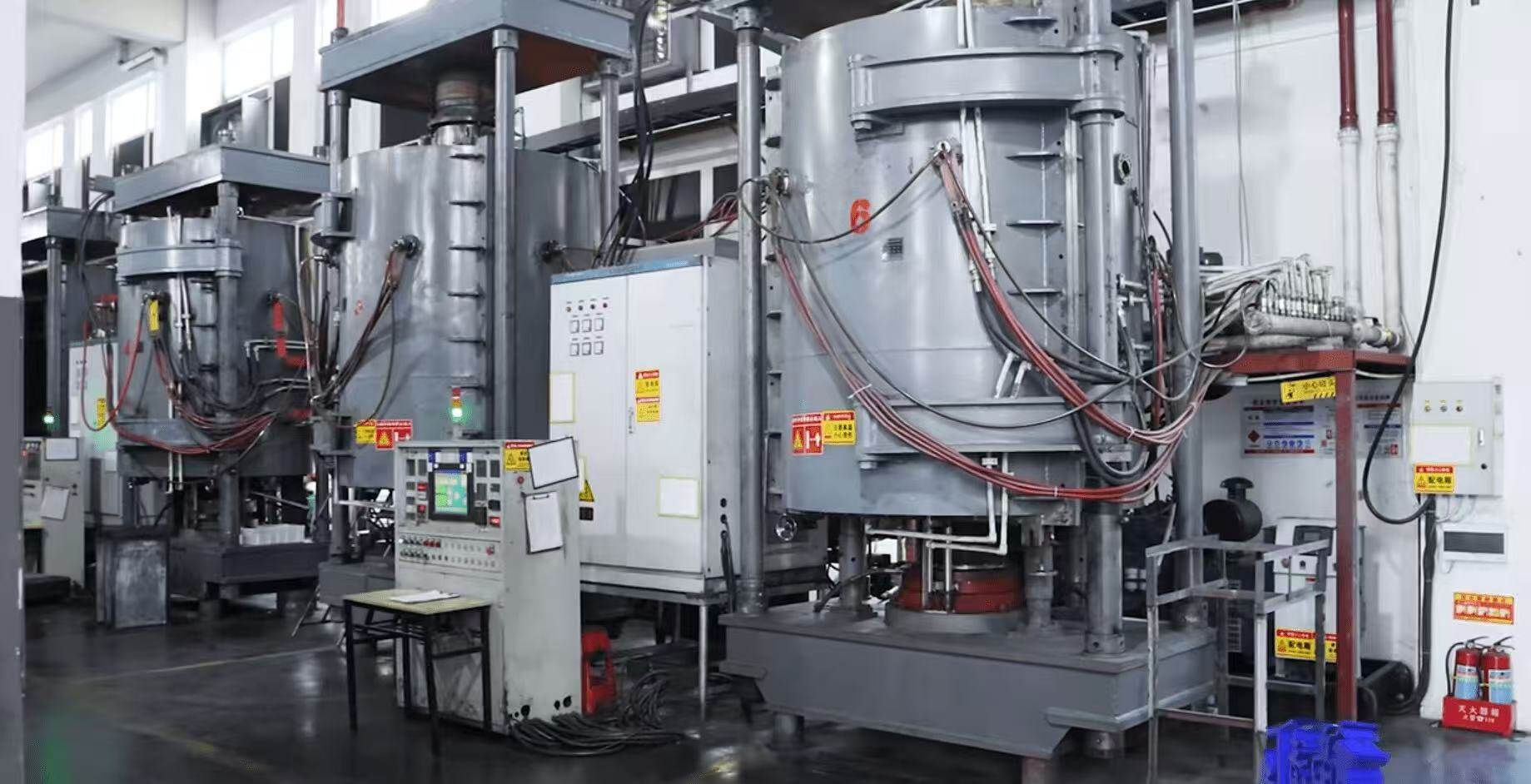
Production Workshop
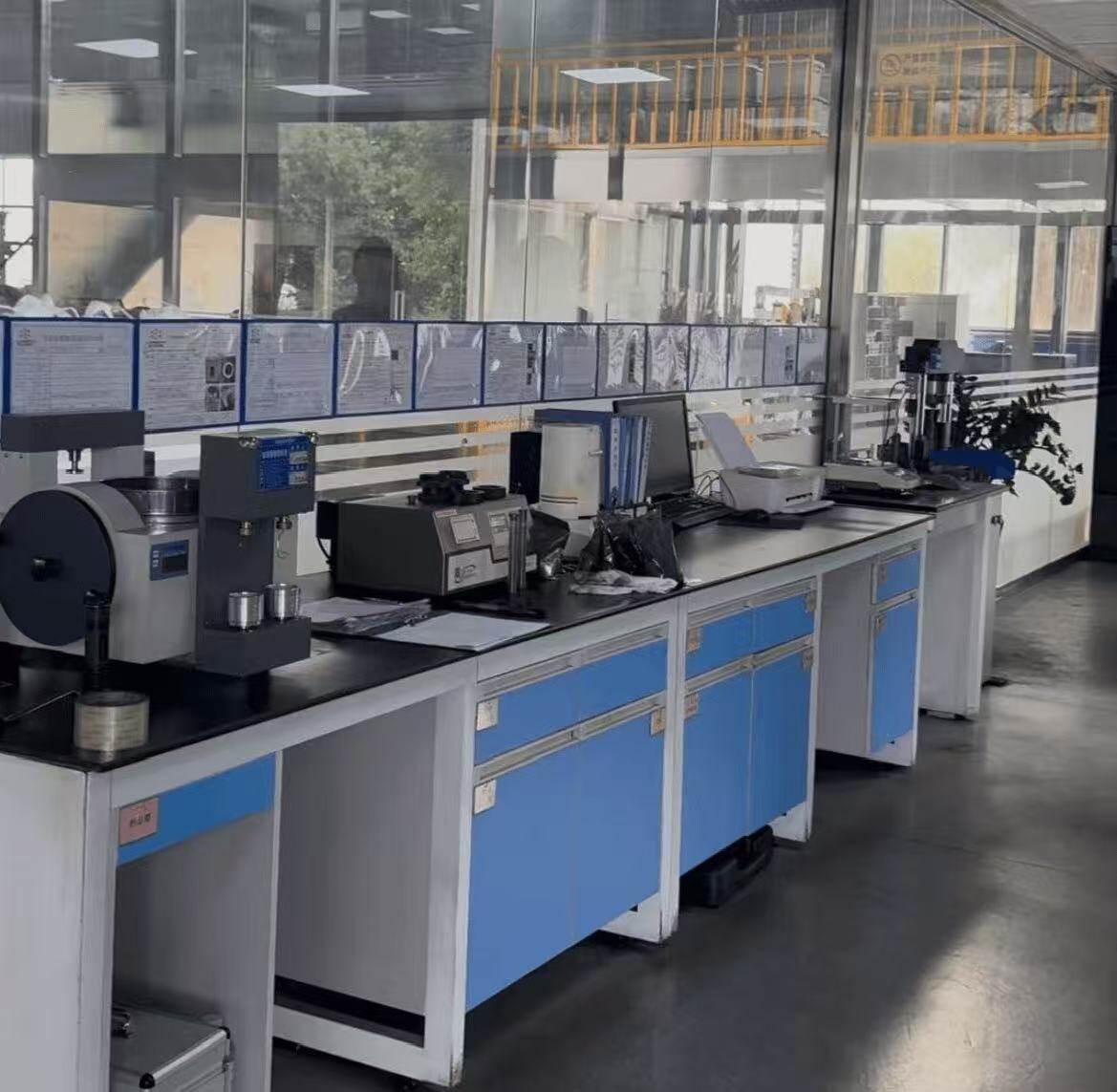
Quality Control Lab
Contact Us: For specific Technical Data Sheets (TDS), custom machining capabilities, or a quote.
Web: www.ceramic-solutions.com
Email: info@ceramic-solutions.com
Phone: +86 13536586031