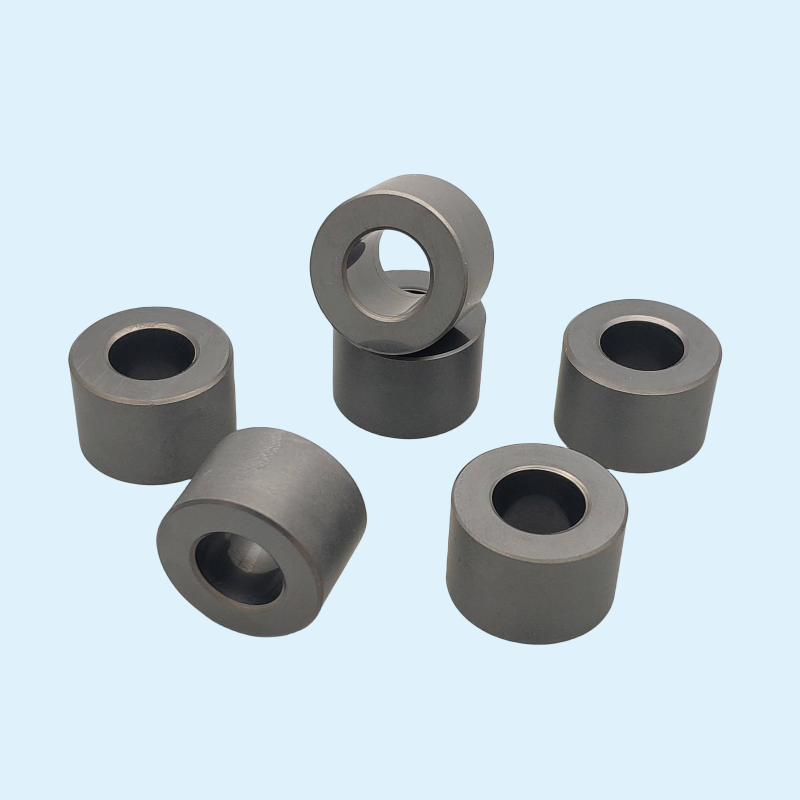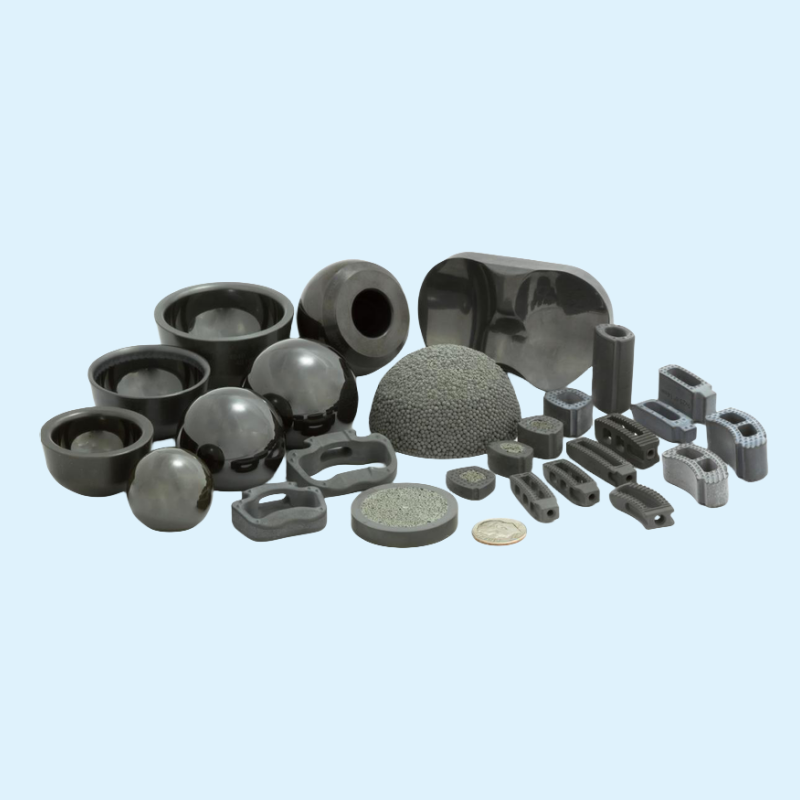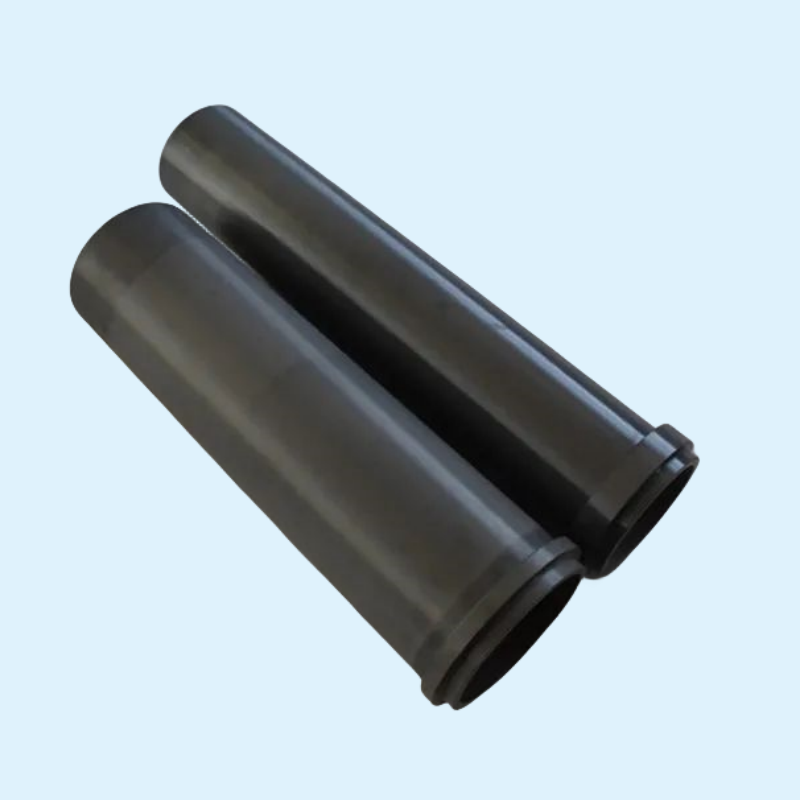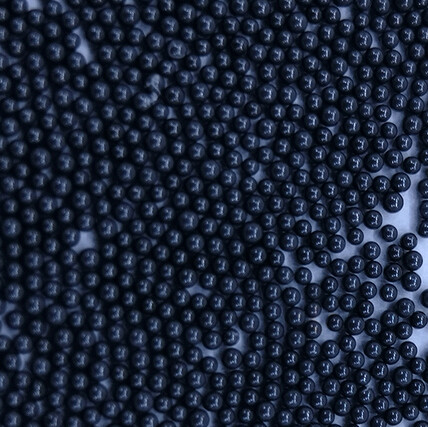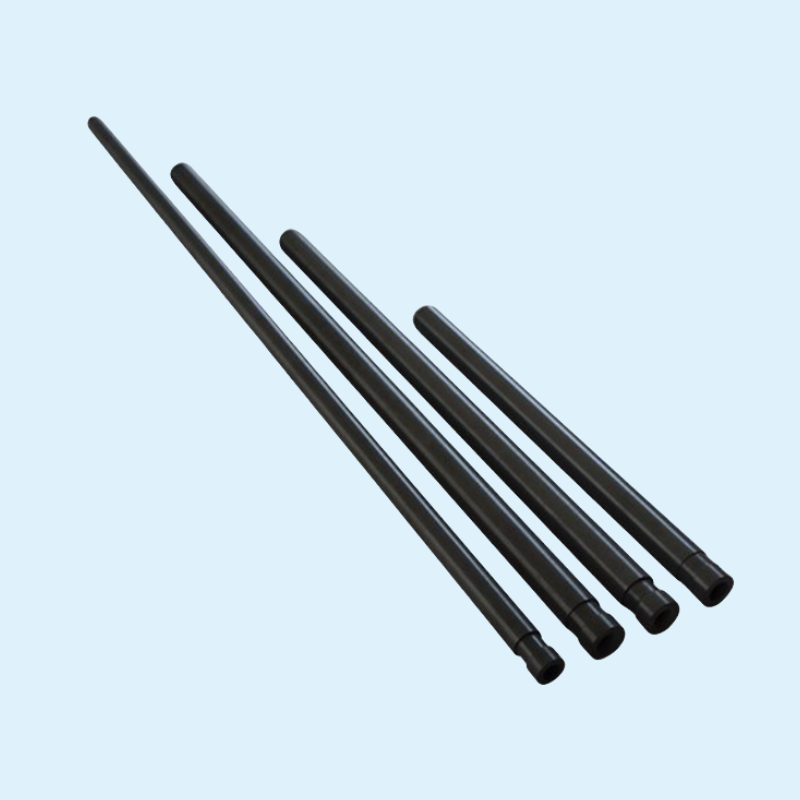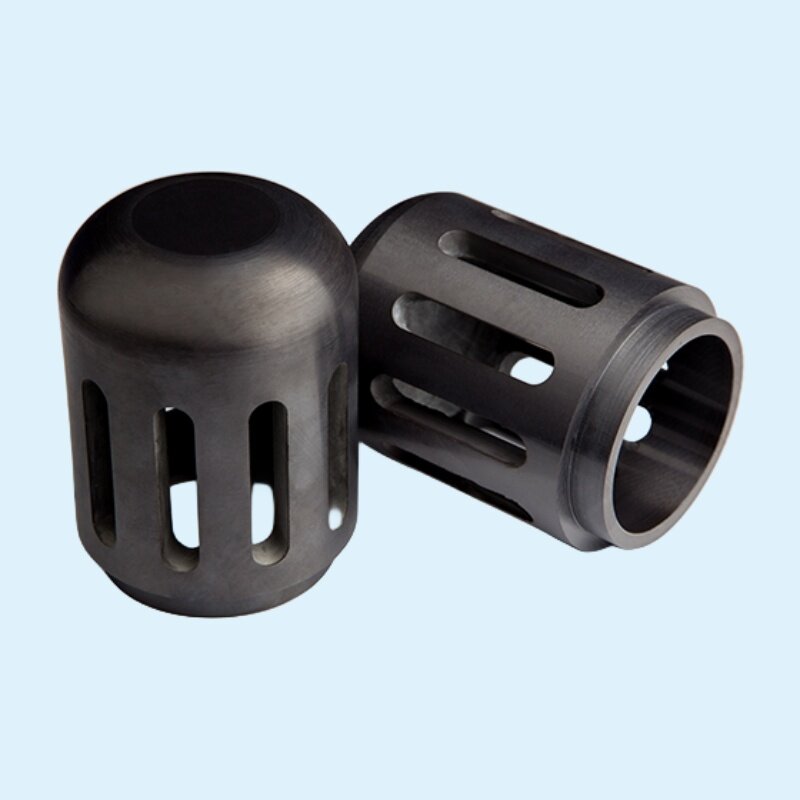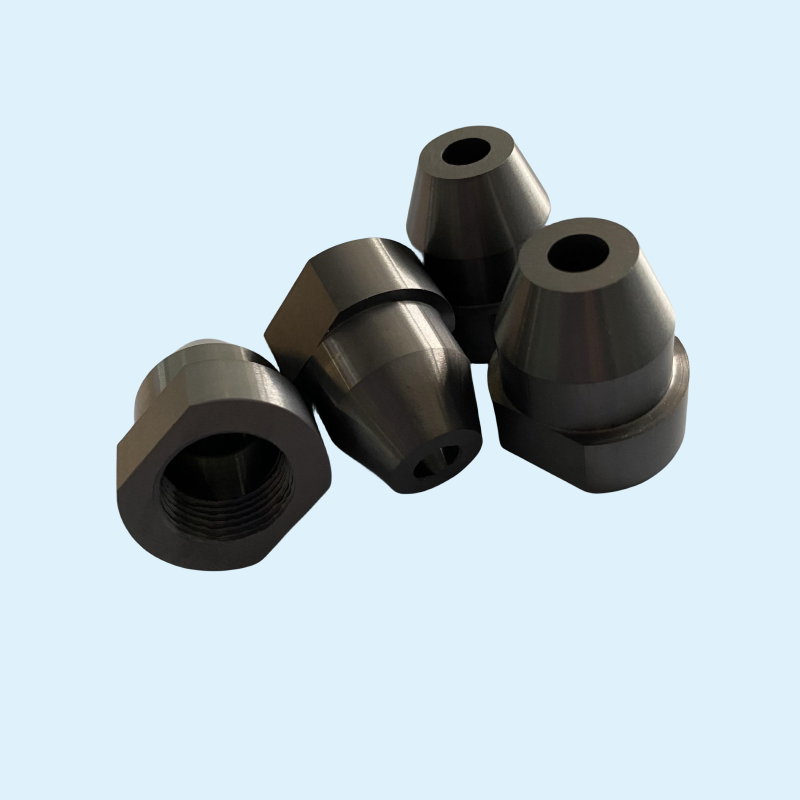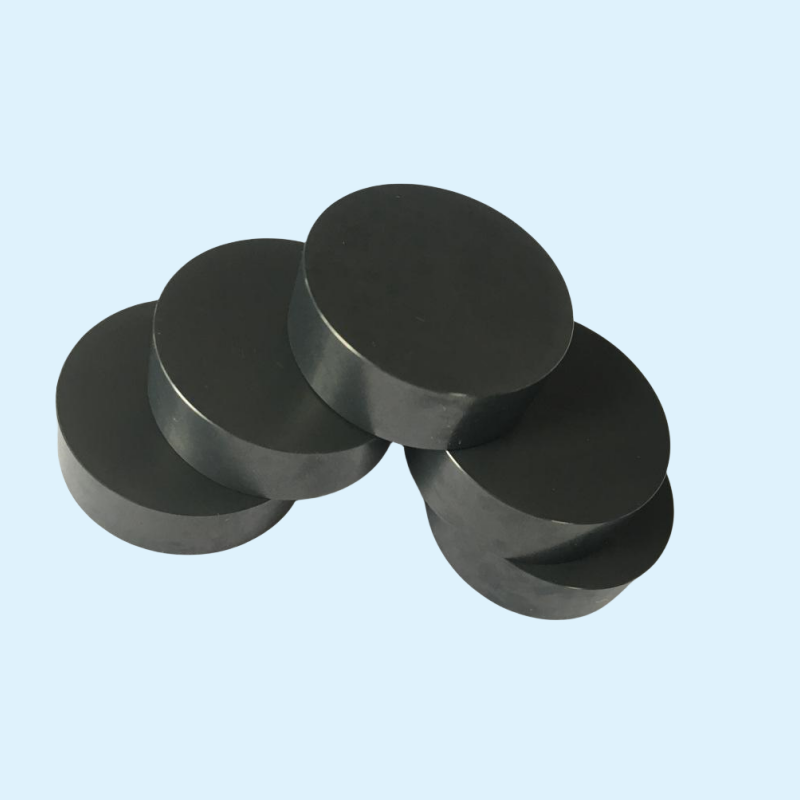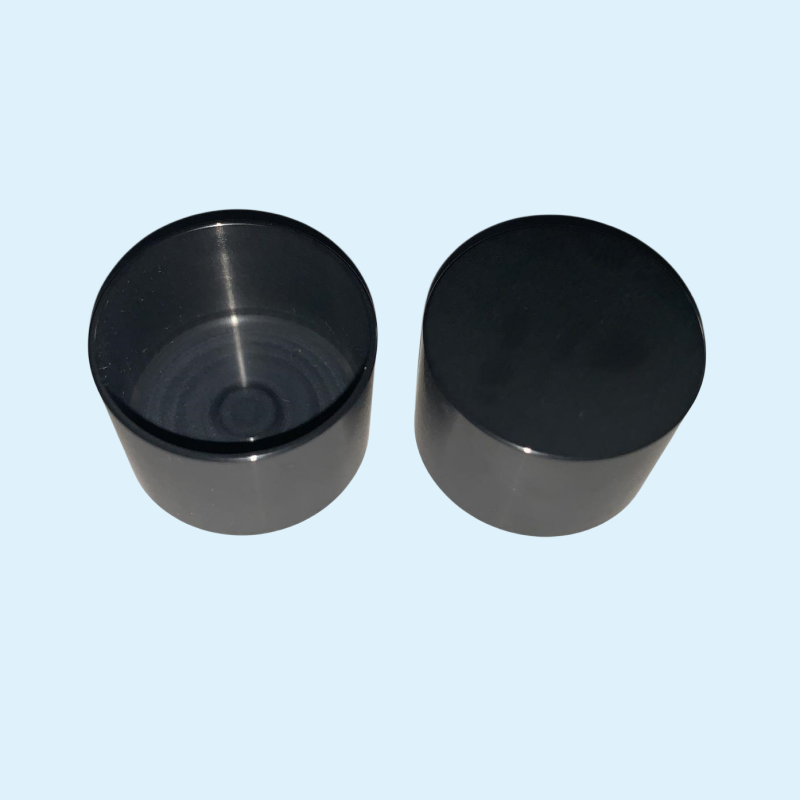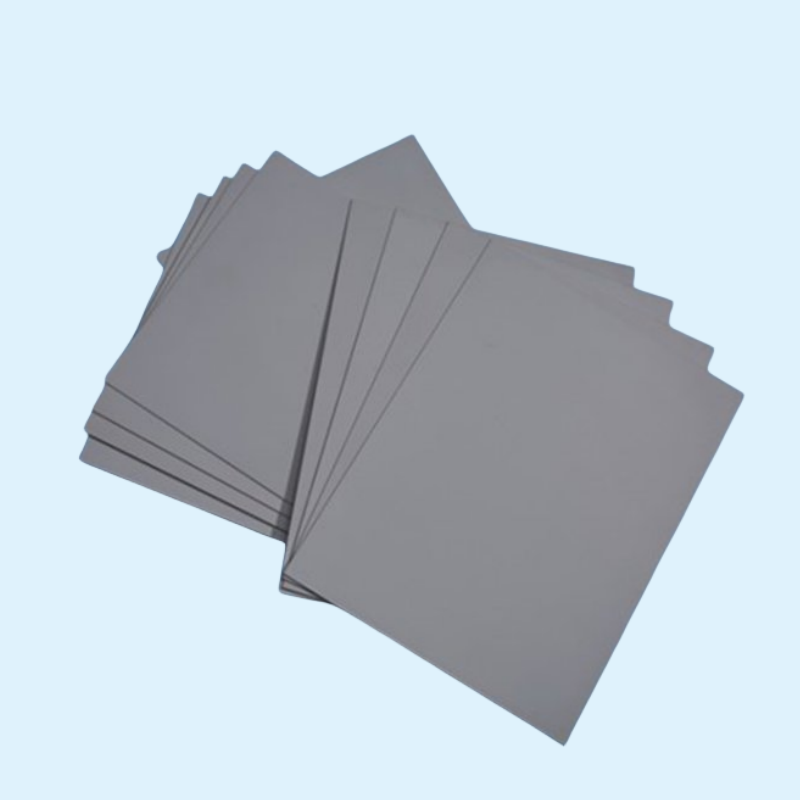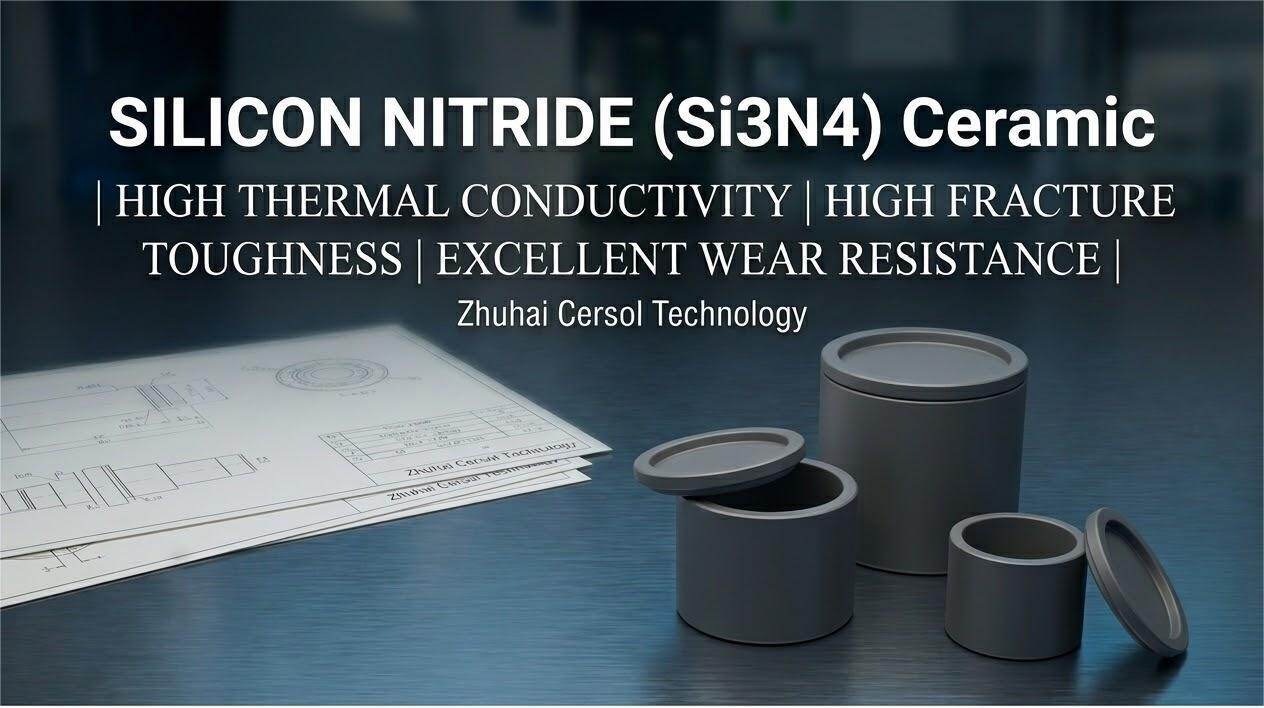
Silicon Nitride Ceramic, scientifically designated by its chemical formula as Si3N4 Ceramic, represents a highly advanced engineering material characterized by a structural matrix of silicon (Si) and nitrogen (N) elements. These elements are bound together through exceptionally strong covalent bonds, resulting in a robust, three-dimensional continuous network that dictates the material's formidable physical, mechanical, and thermal profile. Recognized extensively across global engineering sectors, Silicon Nitride Ceramic is engineered to function reliably in demanding environments that involve elevated operating temperatures, severe mechanical wear, highly corrosive media, and extreme dynamic loads.
The fundamental atomic structure of Si3N4 Ceramic grants it a distinctive position among advanced technical ceramics. While many traditional metallic alloys experience significant degradation in yield strength, structural cohesion, and dimensional stability at elevated temperatures, Silicon Nitride Ceramic maintains a high degree of its mechanical integrity at temperatures extending up to the range of 1200°C to 1400°C. Furthermore, the mass density of Si3N4 Ceramic is remarkably low, which presents considerable advantages in modern mechanical engineering applications where the reduction of rotational inertia and overall system mass are critical design parameters.
Silicon Nitride Ceramic is typically synthesized and consolidated through advanced thermal and pressure-assisted manufacturing methodologies, including reaction bonding, gas pressure sintering, hot pressing, and hot isostatic pressing. These controlled fabrication environments result in a monolithic ceramic that exhibits an exceptional combination of high fracture toughness, chemical inertness, and precise dimensional stability. The variations in these manufacturing techniques yield different grades of the material, each exhibiting specific microstructural characteristics that influence the final density and mechanical capabilities of the product.
This exhaustive technical report provides a rigorous overview of Silicon Nitride Ceramic products. The subsequent sections detail the sophisticated manufacturing processes that dictate the material's microstructure, present a strict accounting of its physical, mechanical, thermal, and electrical properties based exclusively on validated parameters, and explore the extensive array of industrial applications where Si3N4 Ceramic provides operational longevity and system reliability.
The macroscopic properties and performance capabilities of Silicon Nitride Ceramic are inextricably linked to the specific consolidation and sintering techniques employed during its manufacture. Because Si3N4 is a covalently bonded material exhibiting a low self-diffusion coefficient, achieving a fully dense, pore-free microstructure typically requires the application of specialized processing methods, often involving the strategic addition of precisely measured sintering aids. The distinct variations in these manufacturing methods yield different commercial grades of Si3N4 Ceramic, each tailored to meet specific industrial requirements regarding material density, mechanical strength, and the geometrical complexity of the final component.
The operational parameters of Silicon Nitride Ceramic dictate its suitability for extreme engineering environments. The values and characteristics presented in this section are derived strictly from rigorous material evaluation protocols and reflect the standardized ranges expected from industrial-grade Si3N4 Ceramic components, which vary based on the specific manufacturing processes utilized.
| Performance Indicator | Typical Value Range | Unit | Remarks |
|---|---|---|---|
| Density | 3.15 - 3.30 | g/cm³ | Highly favorable for lightweight engineering applications |
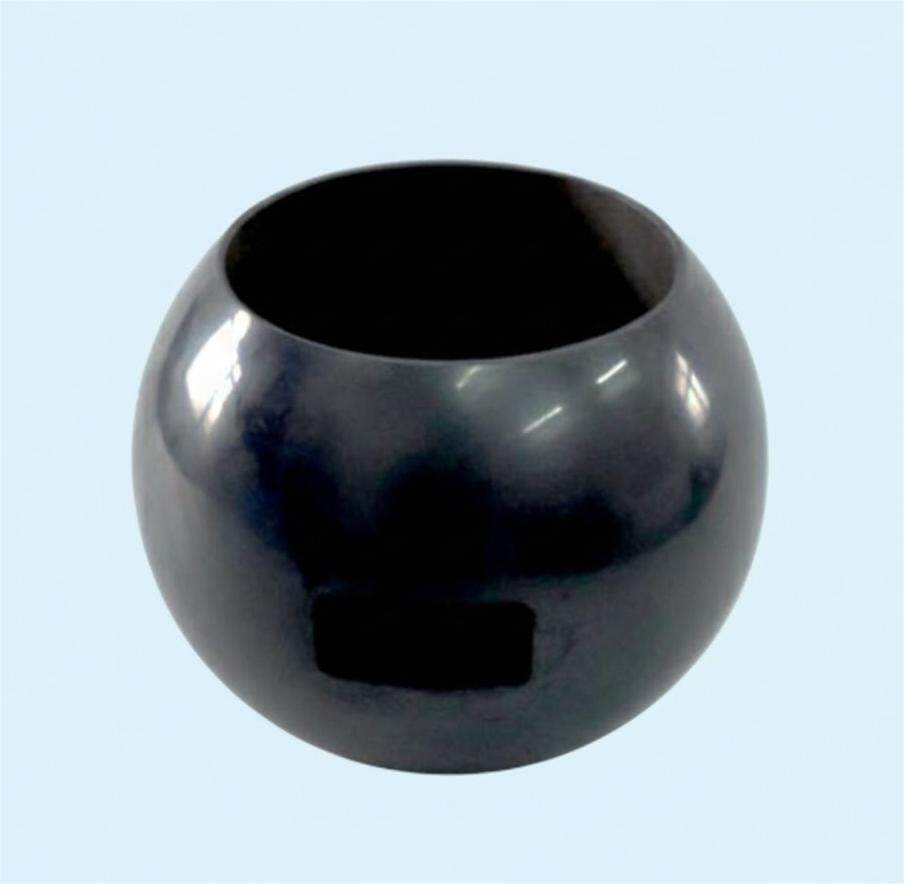
| Color | Gray-black to dark gray | - | Standard visual identifier |
| Hardness (Vickers) | 1400 - 1800 | kgf/mm² | Indicates exceptionally high wear resistance |
| Flexural Strength (Room Temp) | 600 - 1000+ | MPa | GPSN and HPSN grades yield higher specific values |
| Flexural Strength (1000°C) | 400 - 800 | MPa | Demonstrates high strength retention at elevated temperatures |
| Fracture Toughness (KIC) | 5.0 - 8.0 | MPa·m1/2 | Significantly higher than standard alumina and zirconia ceramics |
| Elastic Modulus | 280 - 320 | GPa | Indicates high structural stiffness and rigidity |
| Poisson's Ratio | 0.26 | - | Standard metric for transverse strain behavior |
The thermal behavior of Silicon Nitride Ceramic is characterized by a highly distinctive combination of low thermal expansion and relatively high thermal conductivity. These interacting variables together define the material's exceptional response to severe thermal stress and rapid temperature fluctuations.
| Performance Indicator | Typical Value Range | Unit | Remarks |
|---|---|---|---|
| Thermal Expansion Coefficient (RT-1000°C) | 2.5 - 3.5 | × 10-6/K | Indicates highly stable dimensional behavior under heat |
| Thermal Conductivity | 15 - 30 | W/(m·K) | Significantly higher than most oxide ceramics, aiding heat dissipation |
| Specific Heat Capacity | ~700 | J/(kg·K) | Standard metric for the material's thermal mass |
| Maximum Operating Temp (Air) | 1200 - 1400 | °C | Rated limit for continuous, long-term exposure in oxidizing environments |
While Silicon Nitride Ceramic is primarily specified for its mechanical durability and thermal stability, it also serves as a high-performance electrical insulator, particularly in complex engineering environments where rigorous thermal management and structural support are concurrent requirements.
| Performance Indicator | Typical Value Range | Unit | Remarks |
|---|---|---|---|
| Volume Resistivity (Room Temp) | > 1014 | Ω·cm | Classifies the material as an exceptional electrical insulator |
| Dielectric Constant (1MHz) | 8 - 10 | - | Highly suitable for high-frequency isolation and substrates |
| Dielectric Loss (1MHz) | < 0.001 - 0.005 | - | Demonstrates exceedingly low signal attenuation characteristics |
Unlike conventional polymeric insulators that melt, warp, or chemically degrade under sustained heat, Si3N4 Ceramic maintains these strict insulative properties in high-temperature environments. This stability facilitates its extensive use in advanced power electronics substrates and robust automotive ignition systems.
Mechanical & Metal Forming
Applications: Precision rolling contact bearings, dynamic seals, abrasive nozzles, and extrusion dies.
Advantages: Its low density (3.15 to 3.30 g/cm³) reduces centrifugal force in high-speed bearings, while extreme hardness (1400 to 1800 kgf/mm²) and low friction prevent abrasive wear.
Automotive Powertrain
Applications: Turbocharger rotors, valvetrain components (cam rollers), and fuel injection valves.
Advantages: Low mass minimizes "turbo lag". It retains high flexural strength (400 to 800 MPa) at 1000°C, improving engine efficiency.
Semiconductor Manufacturing
Applications: Wafer boats, cantilever paddles, and diffusion furnace components.
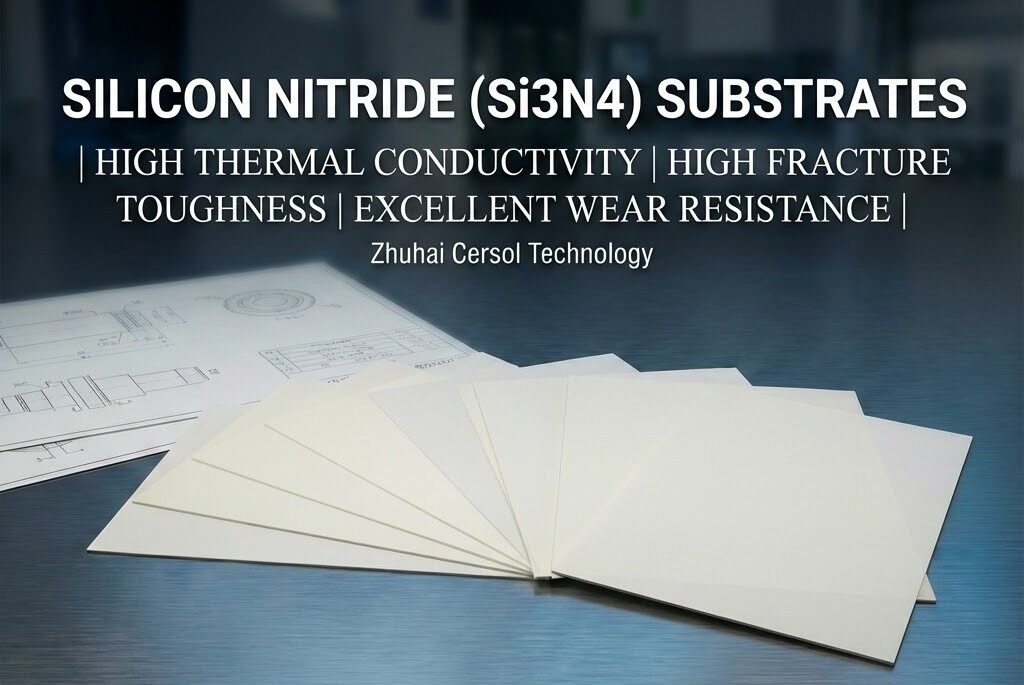
Advantages: Stable thermal expansion (2.5 × 10⁻⁶/K) prevents micro-cracking during rapid heating. A high elastic modulus (280 to 320 GPa) ensures carriers do not sag at 1000°C+.
Electronics & Power Modules
Applications: Structural substrates for EV inverters, RF windows, and microwave transmission components.
Advantages: Combines high electrical resistivity (> 1014 Ω·cm) with excellent thermal conductivity and fracture toughness (5.0 to 8.0 MPa·m1/2).
Metallurgy & Fluid Handling
Applications: Thermocouple protection tubes, riser tubes for die casting, and corrosive chemical pump internals.
Advantages: Completely non-wetting to molten metals and highly resistant to chemical attack in acidic slurries.
Energy & Aerospace/Defense
Applications: Gas turbine blades, vacuum-environment bearings, lightweight ballistic armor, and missile radomes.
Advantages: Withstands temperatures up to 1400°C, allowing turbines to safely exceed traditional superalloy limits.
Medical Implants
Applications: Artificial joint replacements and bone fixation devices.
Advantages: Biocompatible, highly wear-resistant, and uniquely artifact-free in medical imaging compared to traditional metals.