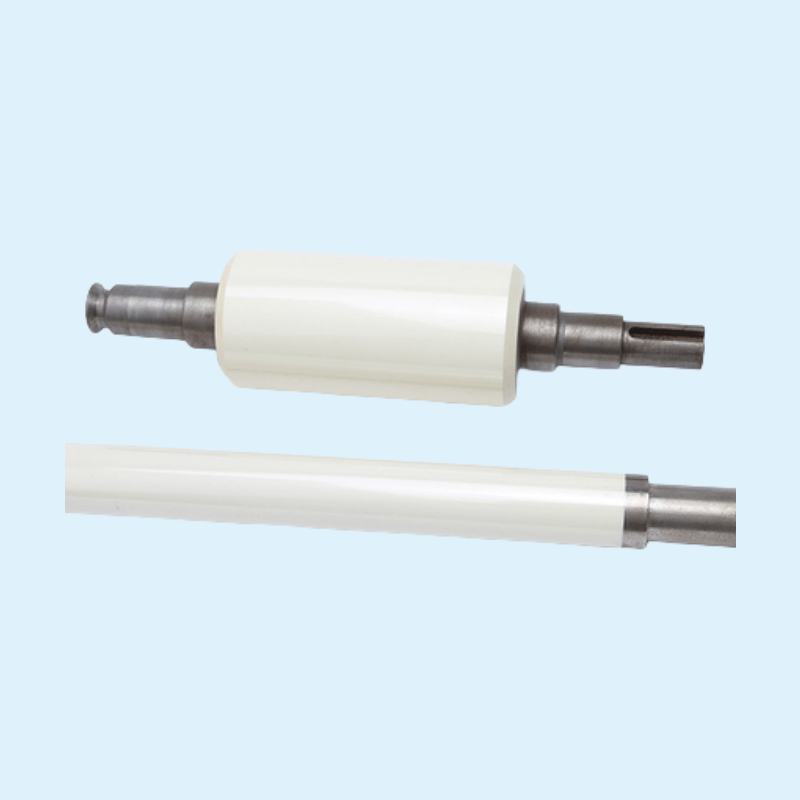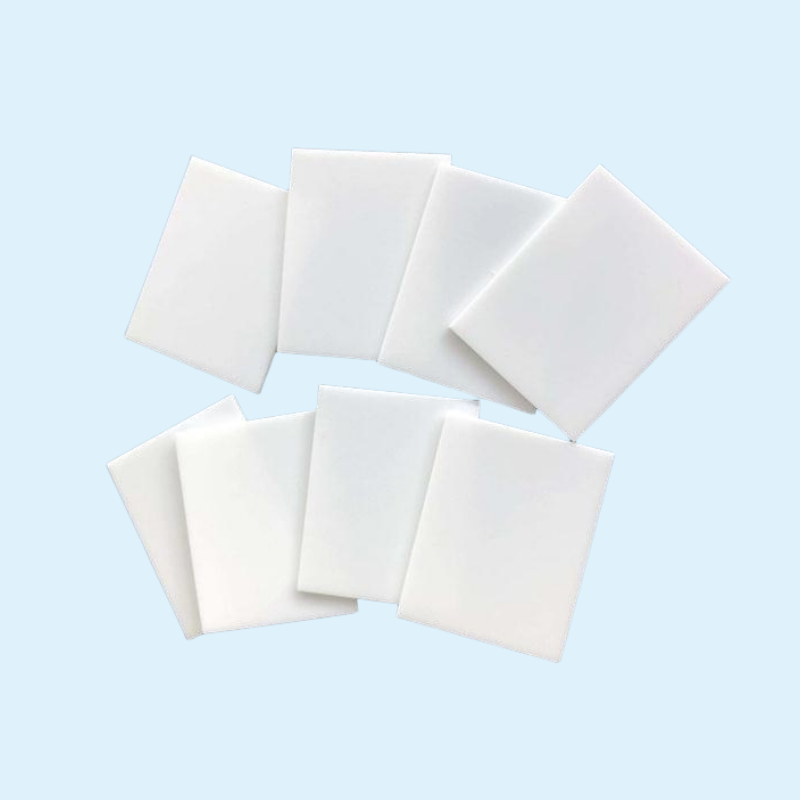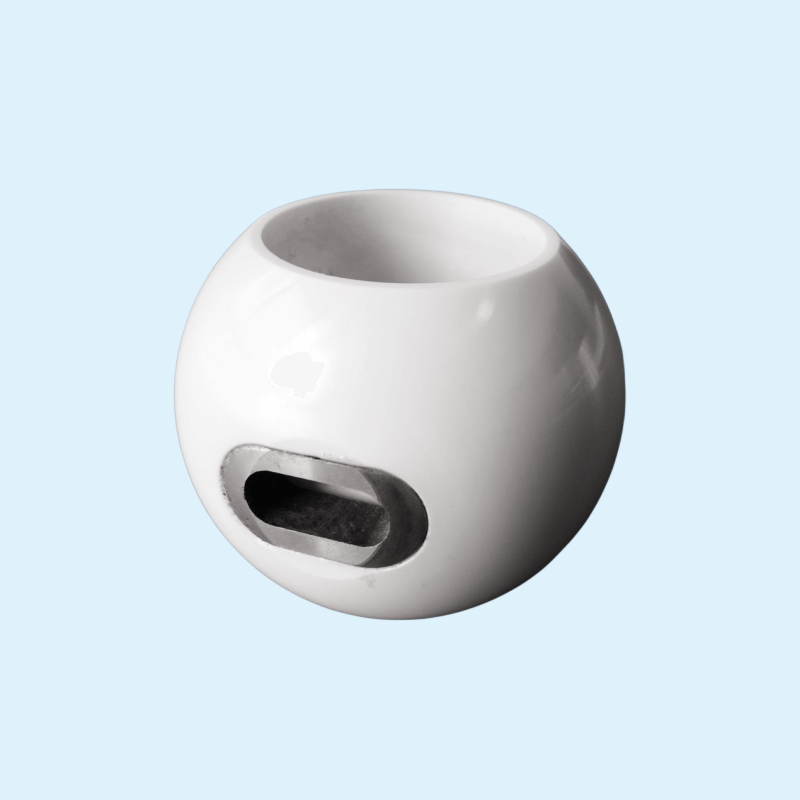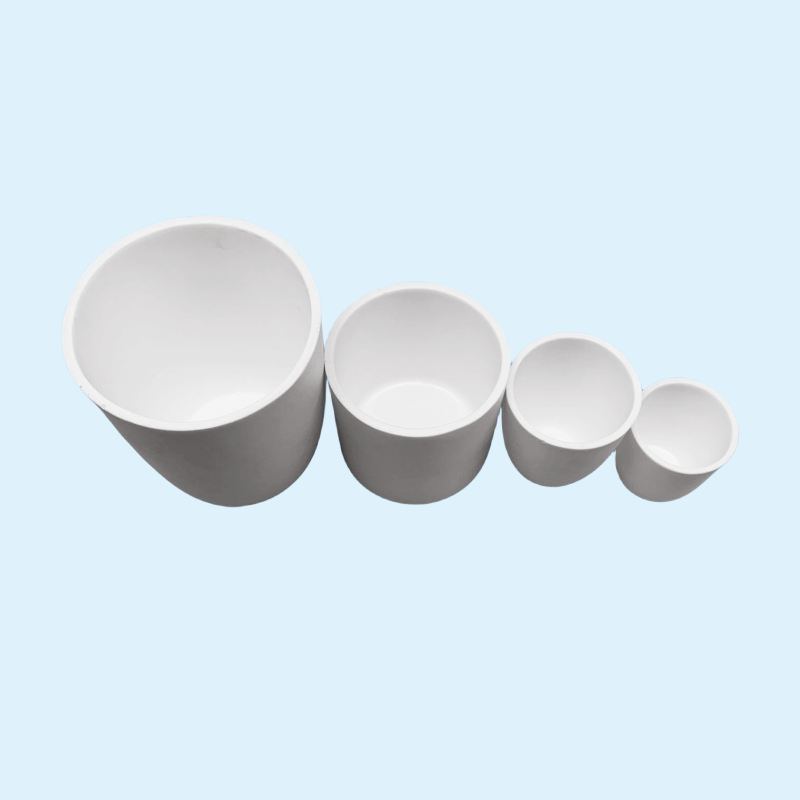
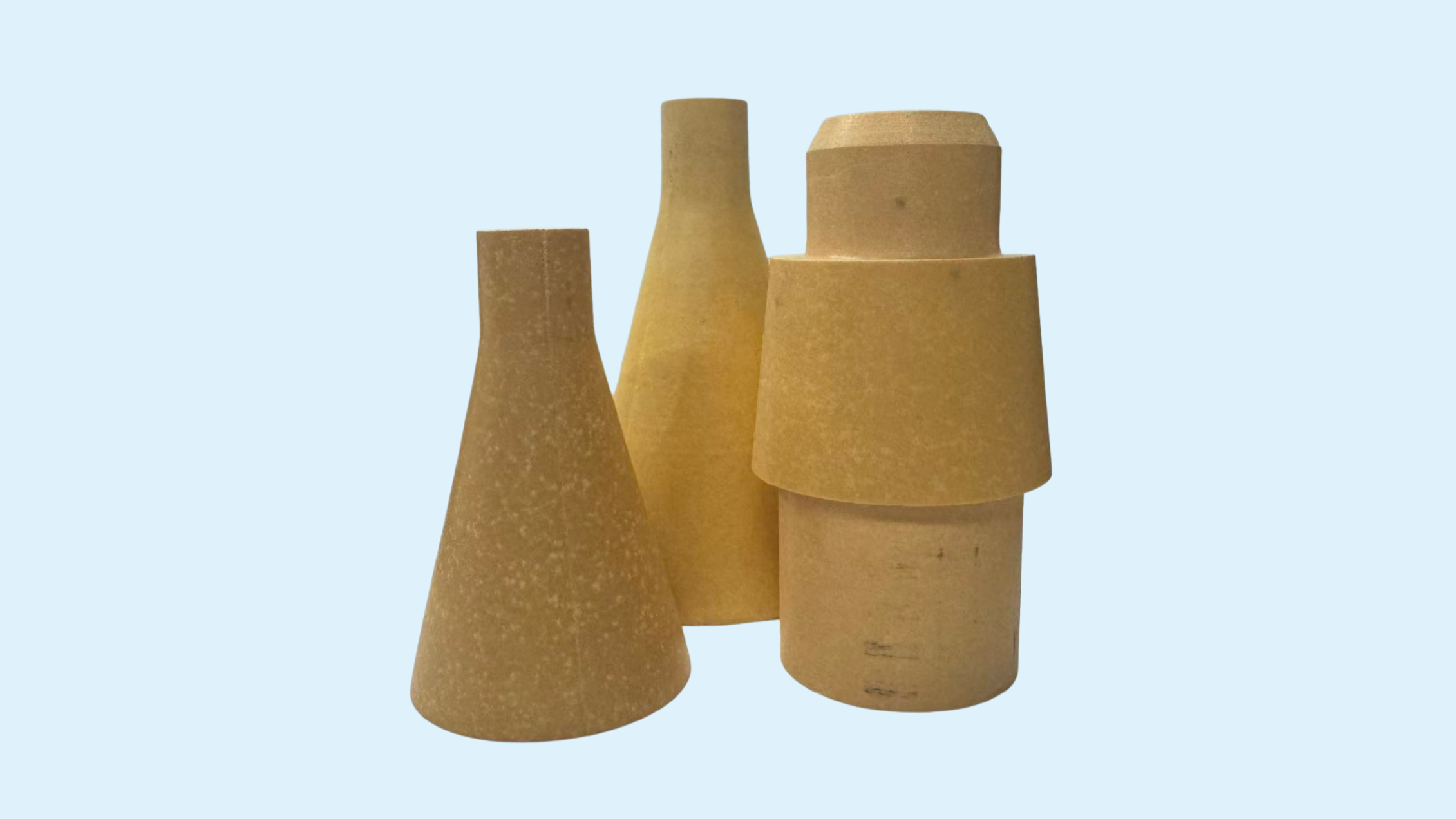
Zirconia Atomization Nozzle for Metal Powder Production
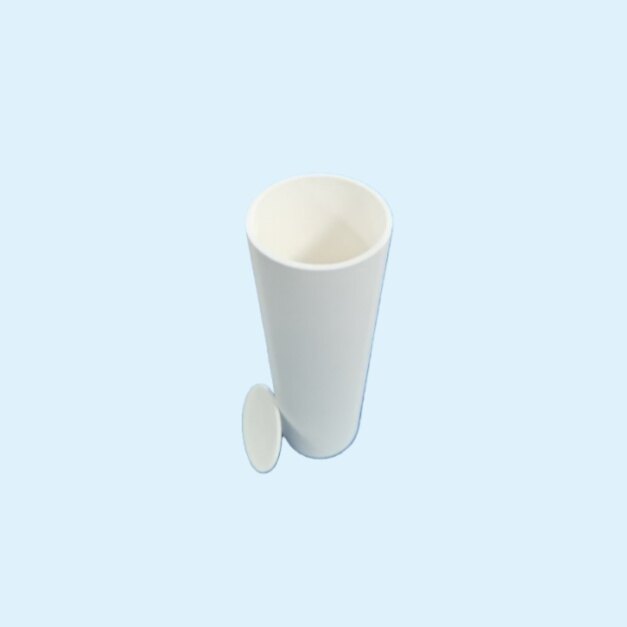
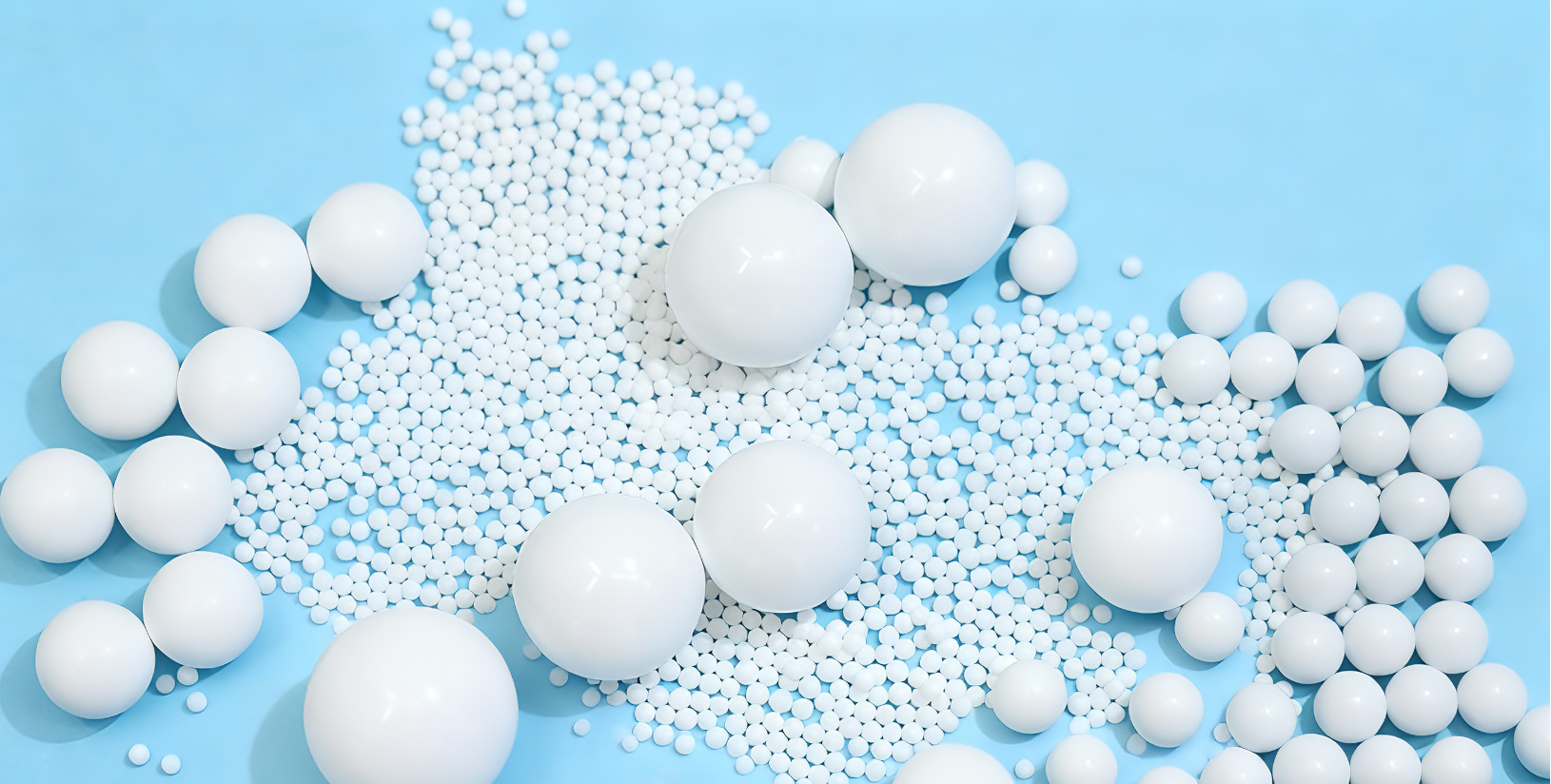
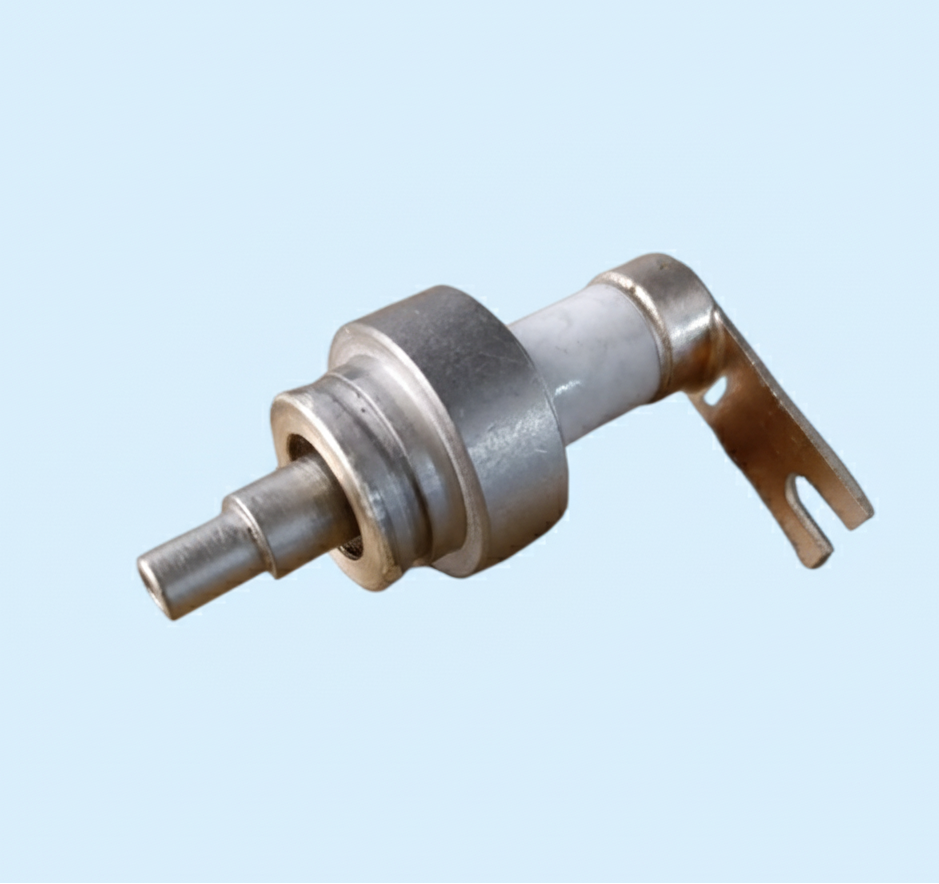
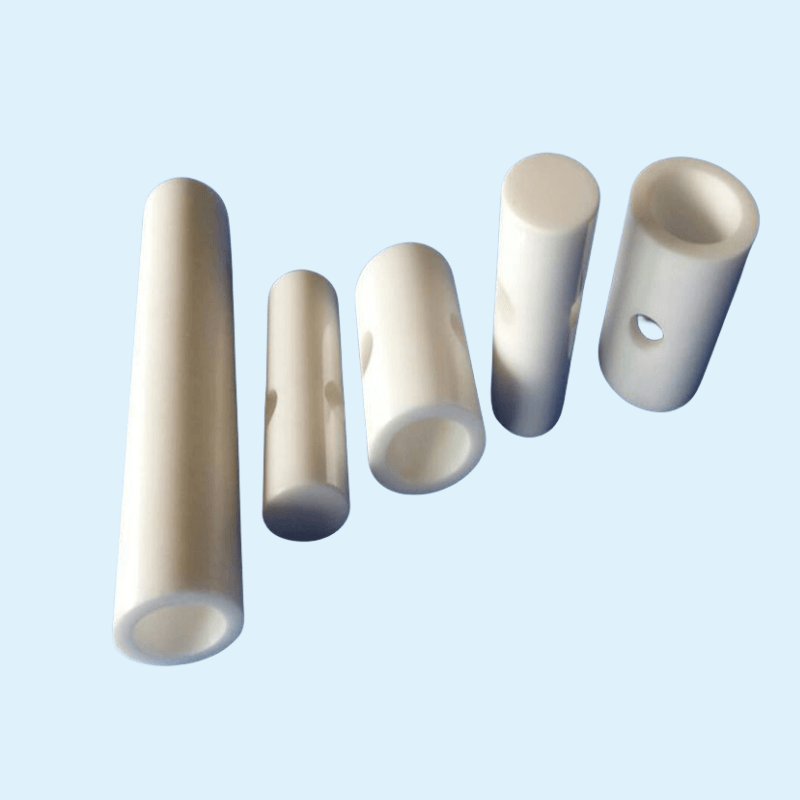
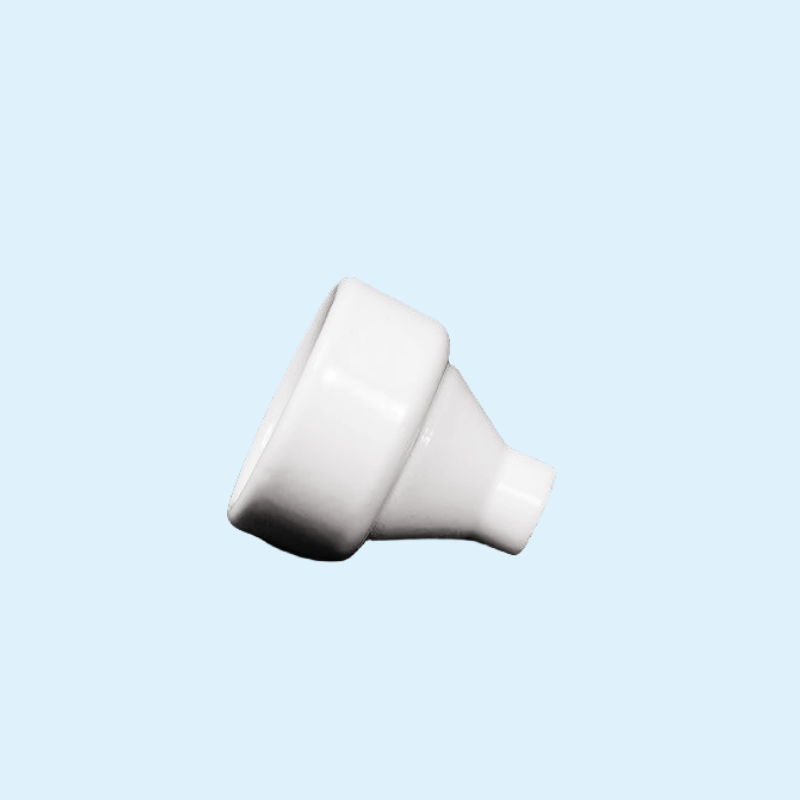
Cersol supplies zirconia atomization nozzles made from stabilized zirconia (ZrO2), including MgO-stabilized zirconia and yttria-stabilized zirconia grades, for stainless steel, ferrous metal, and non-ferrous metal powder atomization. Designed for molten-metal contact, high-velocity atomizing media, and abrasive powder metallurgy environments, each zirconia nozzle can be customized from your drawing to match the orifice, seat, flow path, and installation interface of your atomization equipment.
Compared with general metal nozzle materials, a ZrO2 nozzle offers a useful balance of wear resistance, fracture toughness, excellent thermal shock resistance, thermal stability, and chemical durability. For buyers, the practical goal is simple: keep the nozzle geometry stable for longer so the atomization stream, powder size distribution, and maintenance schedule are easier to control.
Recommended inquiry focus: send the drawing, target alloy, atomizing medium, working temperature, pressure range, and expected quantity. Cersol will review the ceramic grade, forming route, machining details, and inspection points before production.
Why Use a Zirconia Nozzle for Atomization?
- Wear-resistant orifice control: zirconia helps resist erosion from molten metal flow, gas or water atomizing media, and abrasive particles, supporting more stable nozzle dimensions over service life.
- Excellent thermal shock resistance: stabilized zirconia grades help the nozzle tolerate rapid heating and cooling during start-up, melt contact, atomization, and shutdown cycles.
- High-temperature reliability: zirconia grades can be selected for severe thermal conditions, with Cersol zirconia nozzle material capability up to 2200°C depending on ceramic grade, service atmosphere, and part design.
- Better toughness than many oxide ceramics: stabilized zirconia is valued where crack resistance and mechanical reliability are important for precision flow components.
- Lower contamination risk than many metallic parts: ceramic contact surfaces can help reduce unwanted metallic interaction in sensitive powder production, subject to alloy compatibility review.
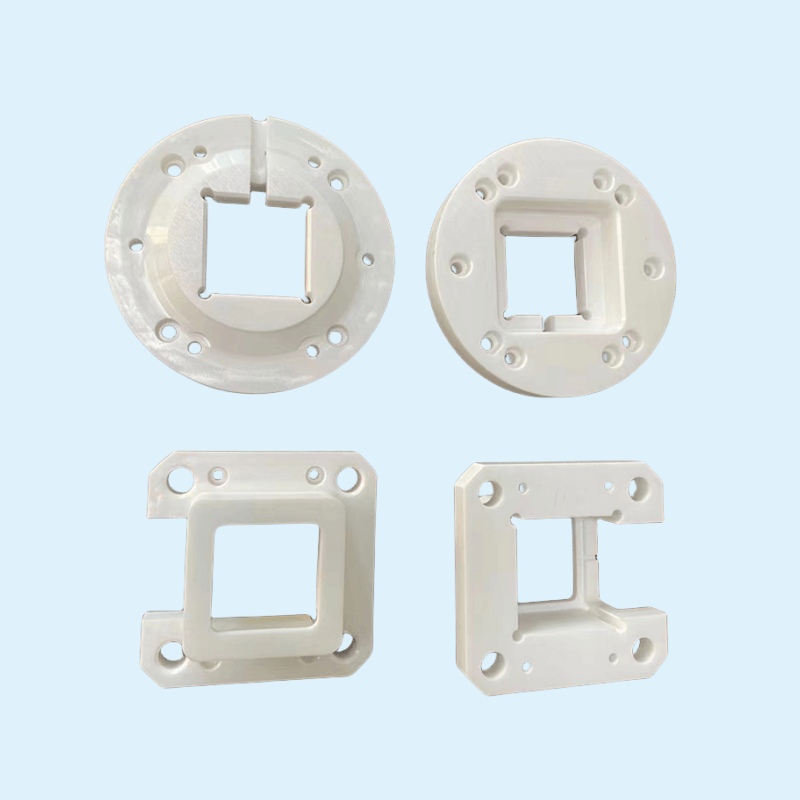
- Custom geometry for existing systems: nozzle bore, inlet, outlet, taper, flange, shoulder, and mounting features can be manufactured according to approved drawings.
Technical Specifications
| Item | Available / Recommended Detail |
|---|---|
| Product name | Zirconia nozzle / zirconia atomization nozzle / ZrO2 nozzle |
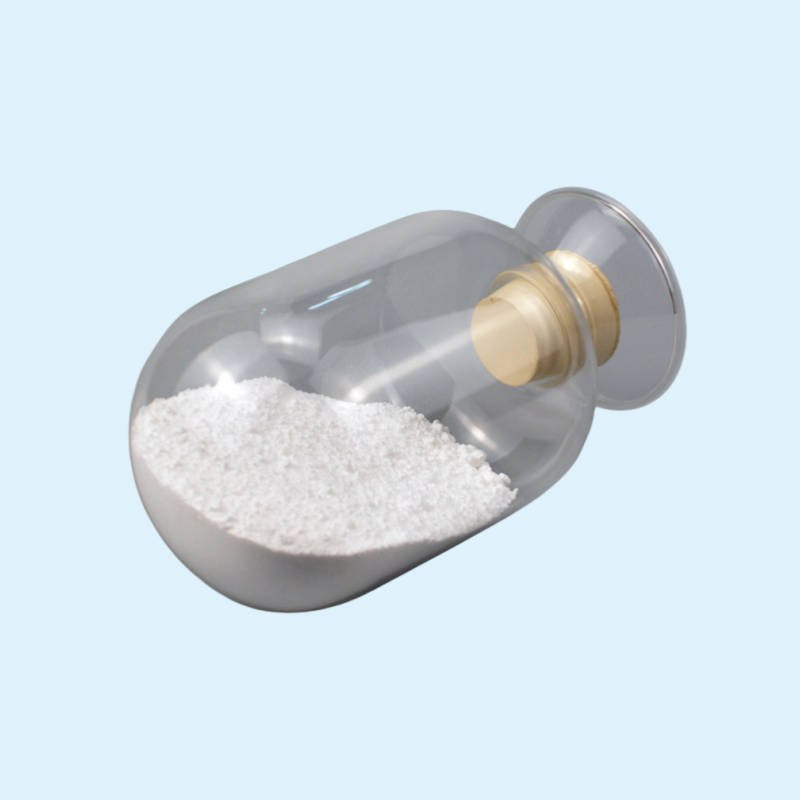
| Material | Stabilized zirconia (ZrO2), including MgO-stabilized zirconia and yttria-stabilized zirconia according to application requirements |
| Manufacturing route | Isostatic pressing, sintering, precision machining, and drawing-based inspection |
| Maximum material capability | Up to 2200°C for suitable zirconia grade and design; final suitability depends on atmosphere, thermal cycling, alloy chemistry, and wall thickness |
| Thermal shock performance | Excellent thermal shock resistance for rapid temperature changes when grade, geometry, and installation conditions are matched to the application |
| Geometry | Orifice, inlet/outlet profile, taper, radius, seat, flange, groove, shoulder, and mounting interface customized from drawings |
| Typical atomized materials | Stainless steel, iron-based alloys, non-ferrous metals, nickel/cobalt alloys, and selected specialty alloys after compatibility review |
| Tolerance and surface finish | Defined by drawing and application requirements; precision machining and inspection available |
| Order basis | Custom production from technical drawing, sample, or equipment interface requirement |
Atomization Performance Considerations
In powder metallurgy, the atomization nozzle is more than a wear part. The orifice diameter, inlet shape, outlet angle, length-to-diameter ratio, and surrounding gas or water flow influence the breakup of molten metal into droplets. When the nozzle wears, the flow area can change, which may affect spray pattern, powder particle size, and process repeatability.
| Information Needed | Why It Matters |
|---|---|
| 2D/3D drawing or sample | Confirms bore size, seating surfaces, edge radii, mounting features, and inspection dimensions. |
| Target metal or alloy | Helps review temperature, chemical compatibility, thermal shock risk, and contamination sensitivity. |
| Atomizing medium | Gas, inert gas, water, or other media place different erosion and thermal demands on the ceramic. |
| Working temperature and pressure | Guides material selection, wall thickness review, machining allowance, and quality control points. |
| Quantity and replacement schedule | Supports batch planning, repeat inspection, and spare-part stocking for production lines. |
Applications
- Metal powder atomization: zirconia atomizing nozzles for stainless steel powders, iron-based powders, and non-ferrous powders.
- Powder metallurgy production: nozzle components for systems that require repeatable molten metal breakup and controlled powder characteristics.
- High-temperature molten metal handling: ceramic flow components for severe thermal, erosive, and chemically demanding environments.
- Advanced alloy powder processing: nozzle review for nickel-based, cobalt-based, chromium-containing, or other specialty alloys where durability and contamination control matter.
- Custom equipment replacement: drawing-based ZrO2 nozzles for OEM equipment, laboratory atomizers, pilot lines, and production atomization systems.
Custom Manufacturing Capabilities
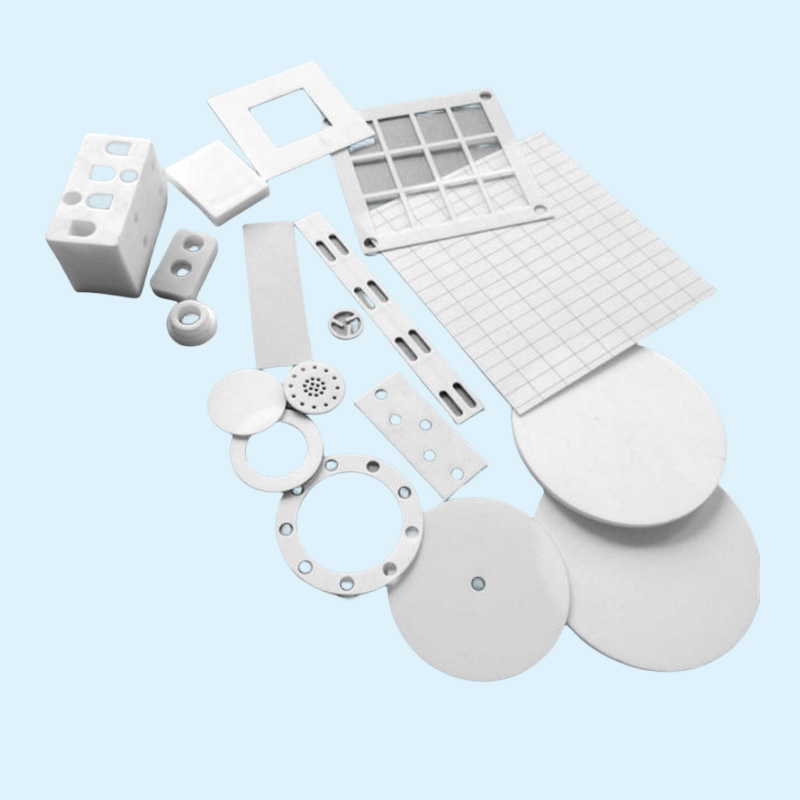
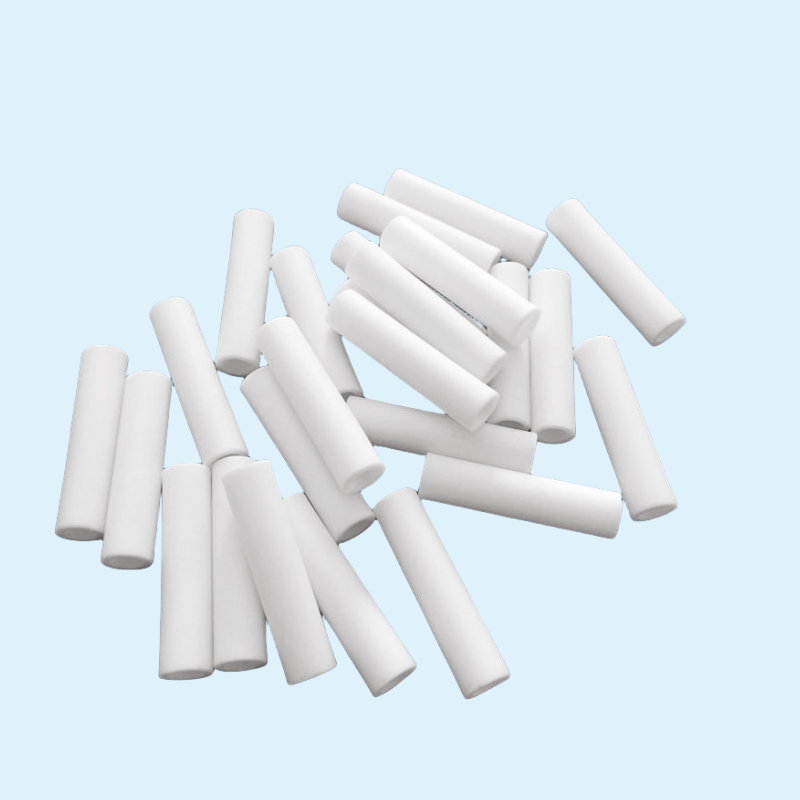
Cersol manufactures custom advanced ceramic parts for demanding industrial applications. For zirconia atomization nozzles, the production route can include powder preparation, isostatic pressing, high-temperature sintering, and precision machining after firing. This workflow is suitable for dense ceramic parts where wear resistance, dimensional stability, and controlled geometry are more important than standard catalog dimensions.
If you are replacing a metal nozzle, upgrading from another ceramic material, or building a new atomization line, Cersol can review your drawing and recommend a suitable stabilized zirconia grade, including MgO-stabilized zirconia or yttria-stabilized zirconia where appropriate. Related ceramic support is also available through Oxide ceramic products, ZrO2 zirconia products, and custom ceramic manufacturing.
Material Selection Notes
| Condition | Zirconia Nozzle Advantage |
|---|---|
| Molten metal and high-velocity media are eroding the bore | High hardness and wear resistance help maintain the working geometry for longer. |
| Nozzle cracking or impact damage is a concern | Stabilized zirconia offers useful fracture toughness among engineering ceramics. |
| Rapid heating and cooling occur during atomization cycles | Excellent thermal shock resistance helps reduce cracking risk when the grade and geometry are selected correctly. |
| Thermal stability is more important than low initial cost | MgO-stabilized or yttria-stabilized zirconia can be considered for severe high-temperature atomization conditions. |
| The atomizer requires non-standard geometry | Custom machining from drawings allows the nozzle to match existing equipment interfaces. |
FAQ
Need a custom zirconia atomization nozzle for metal powder production?
Contact Our Team