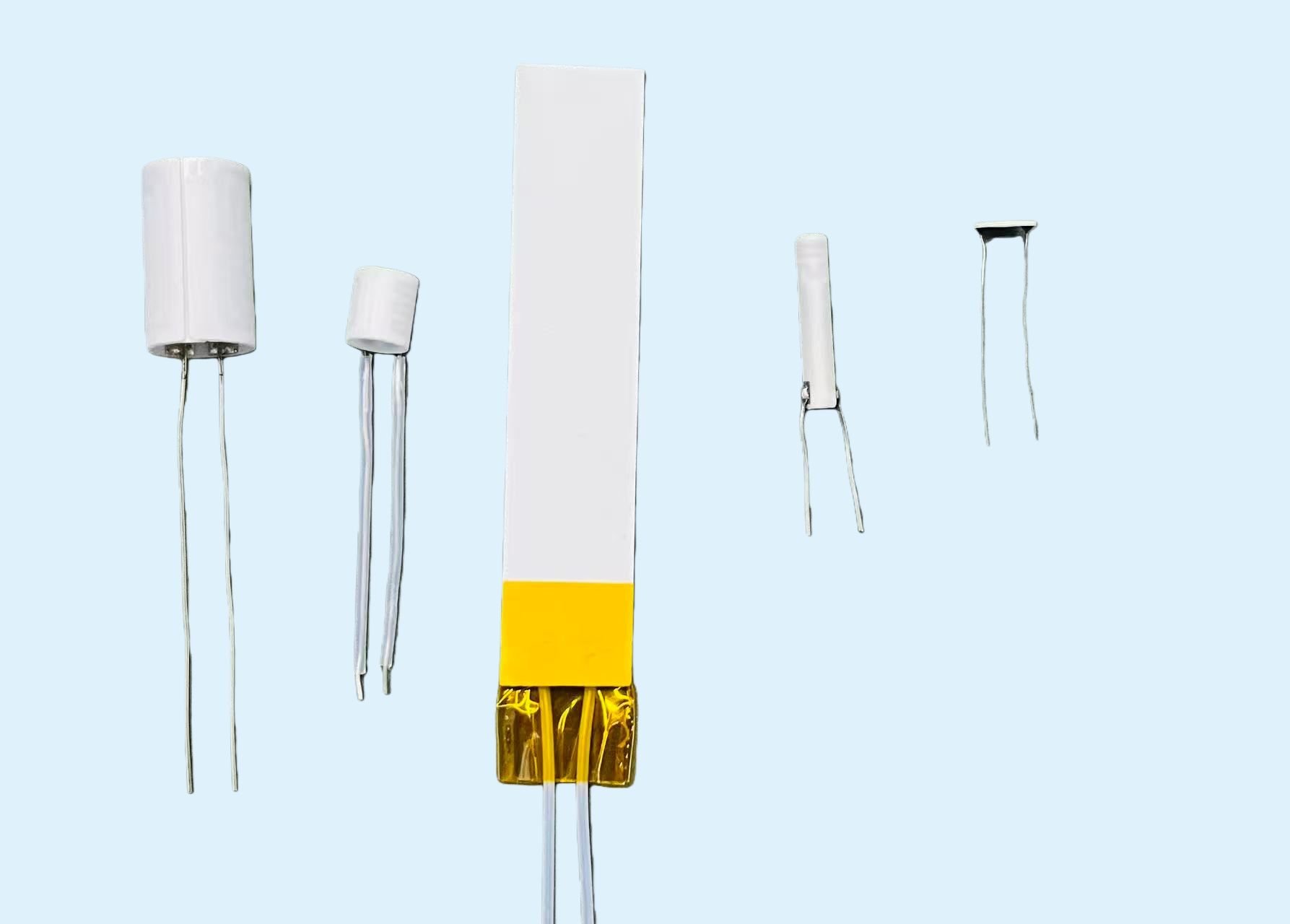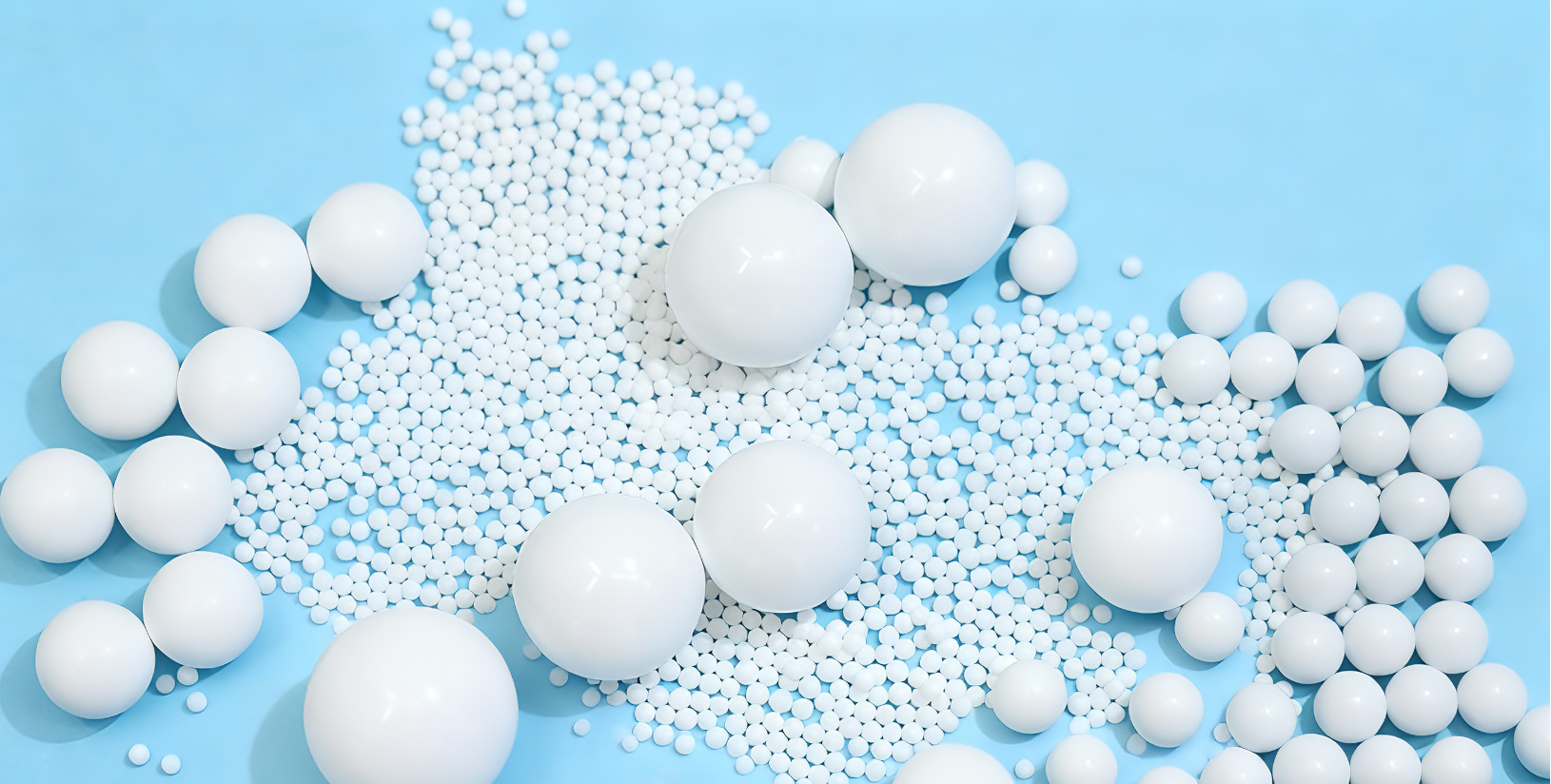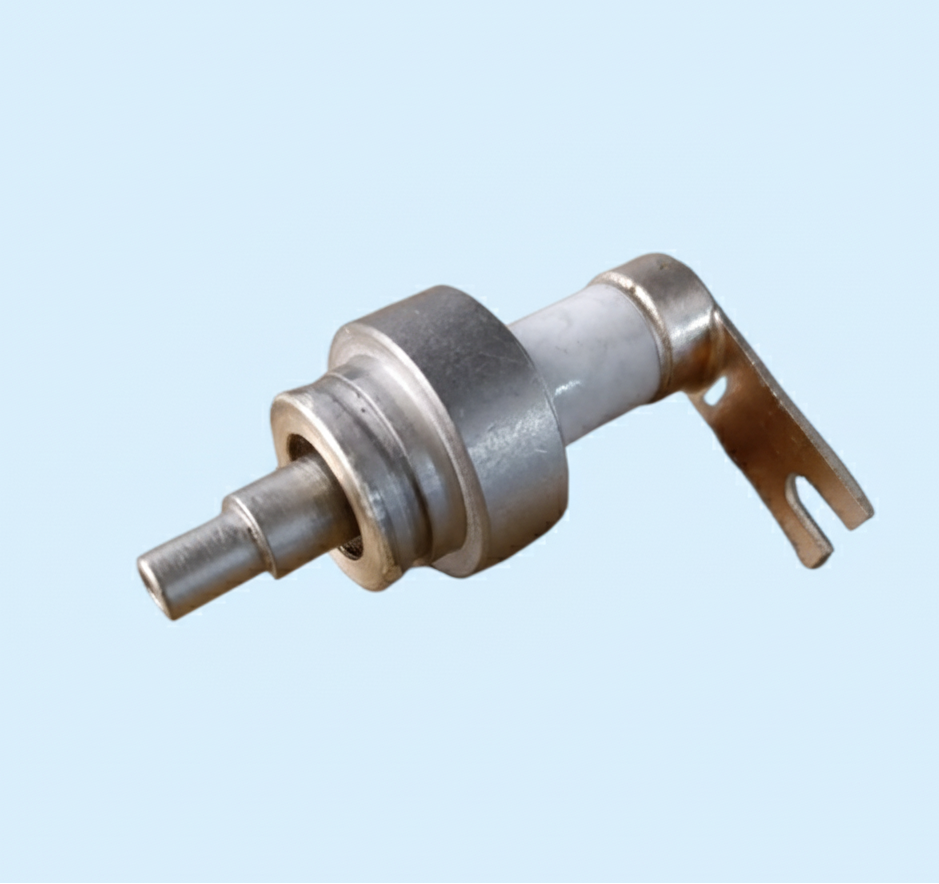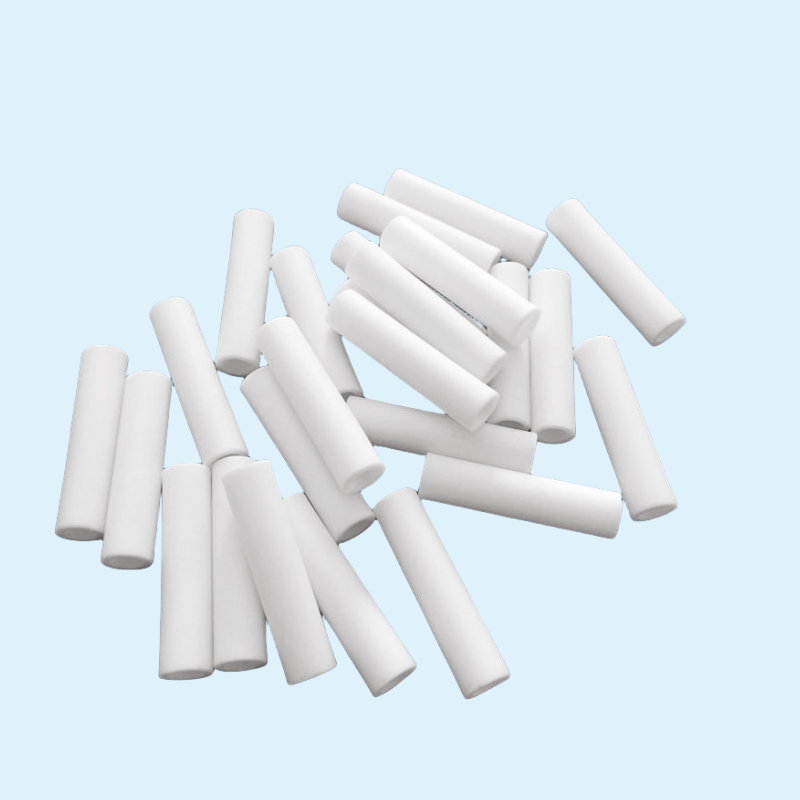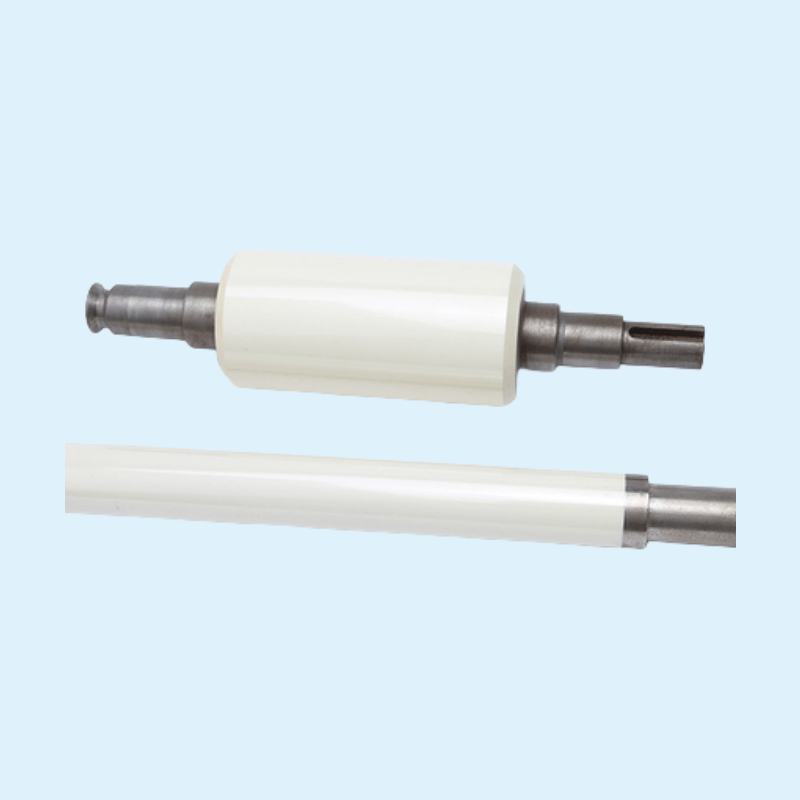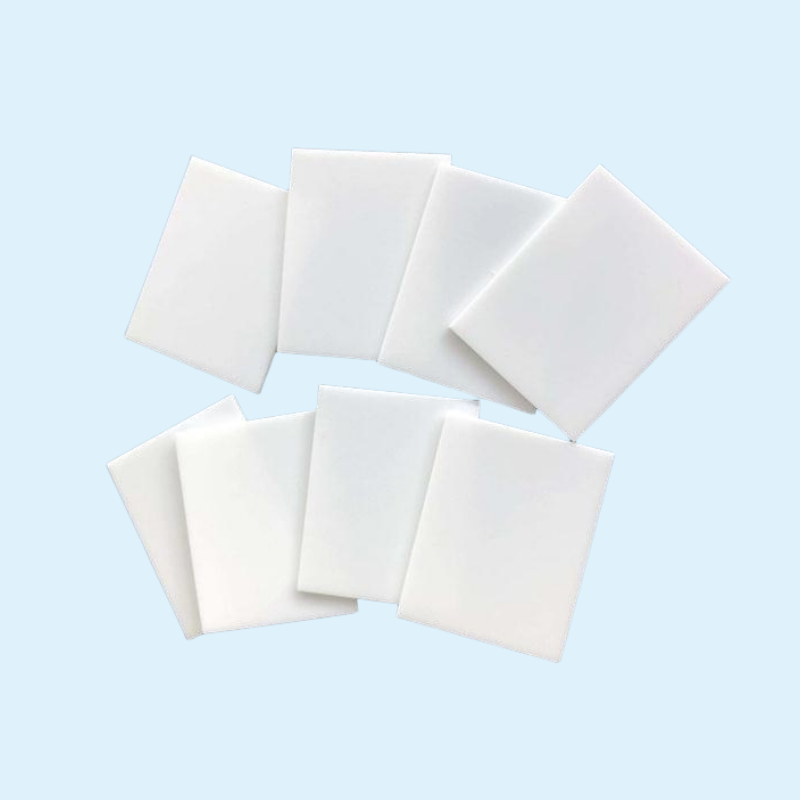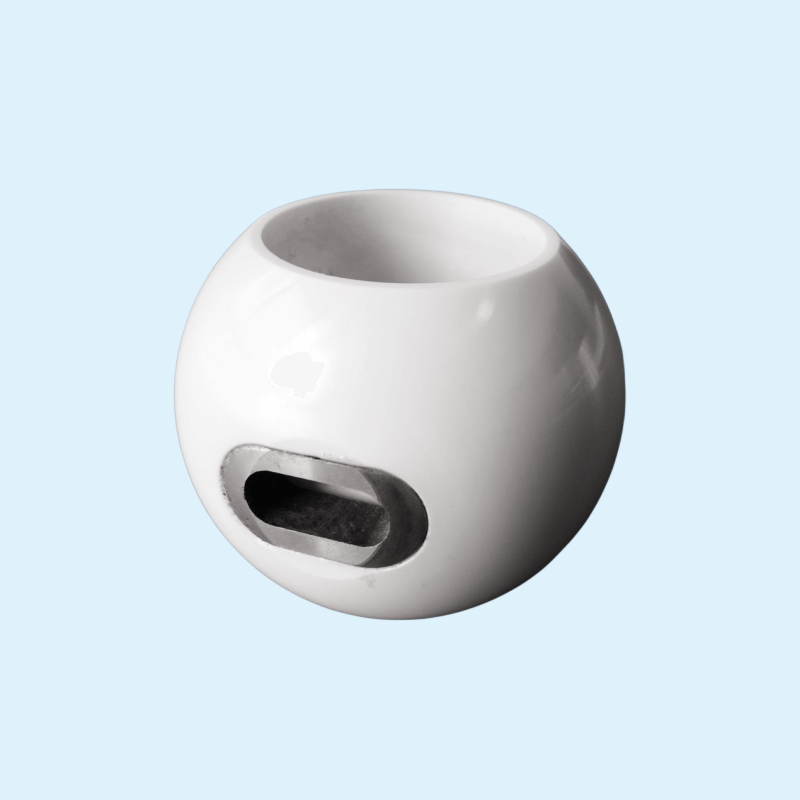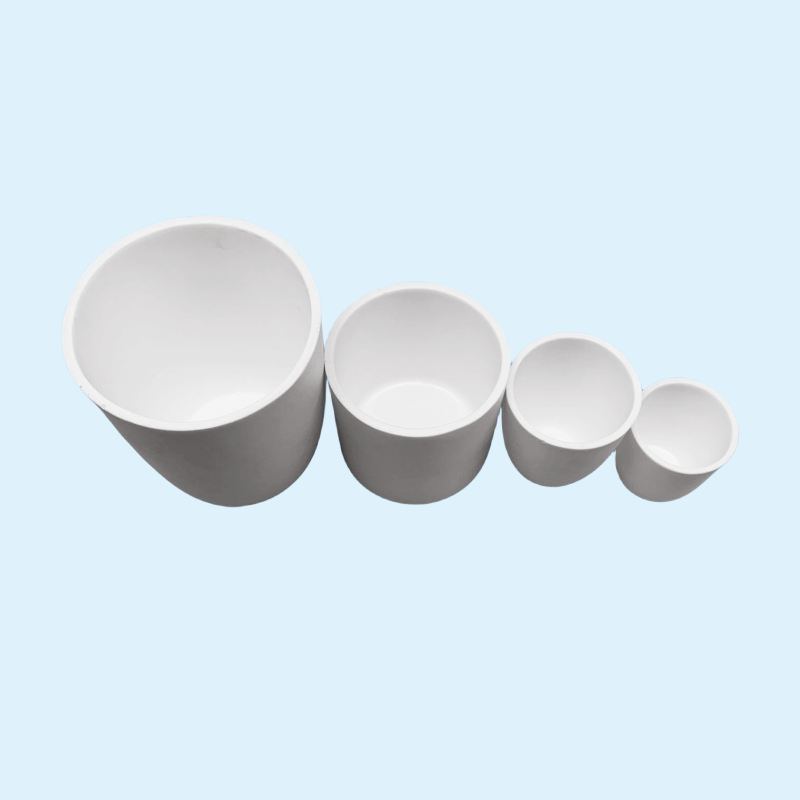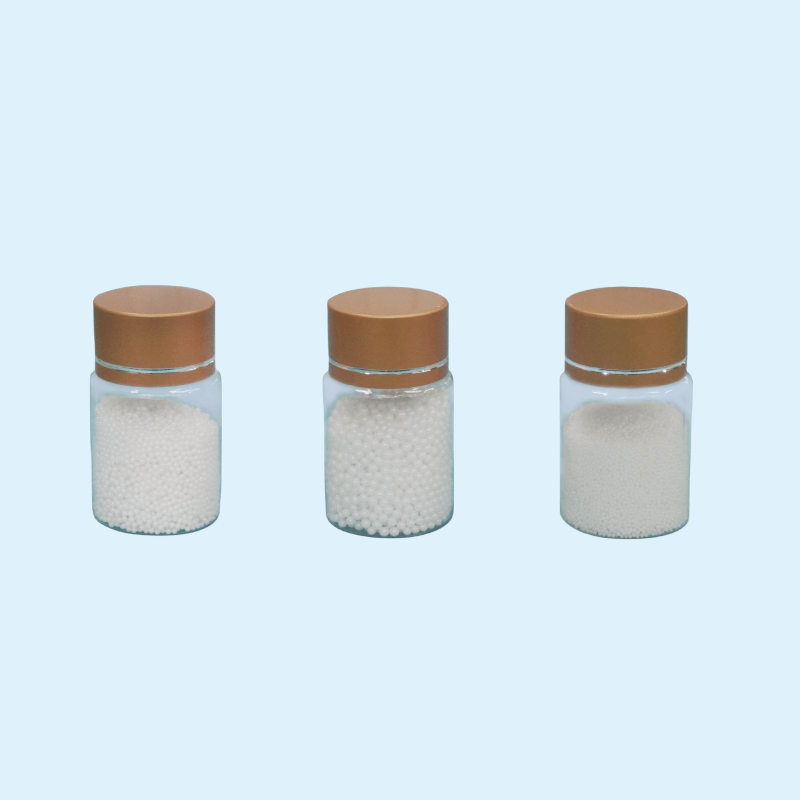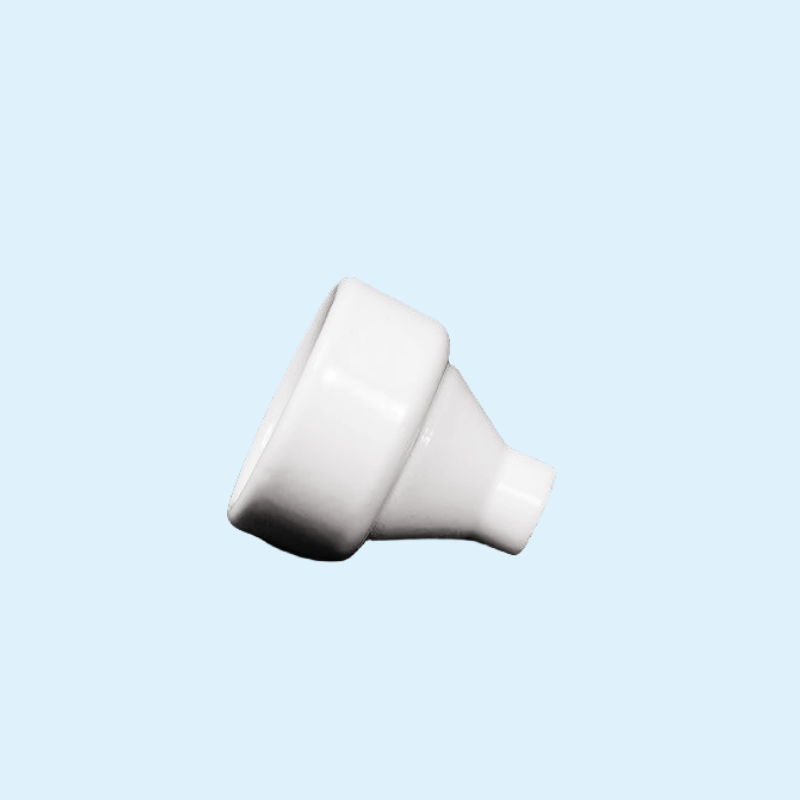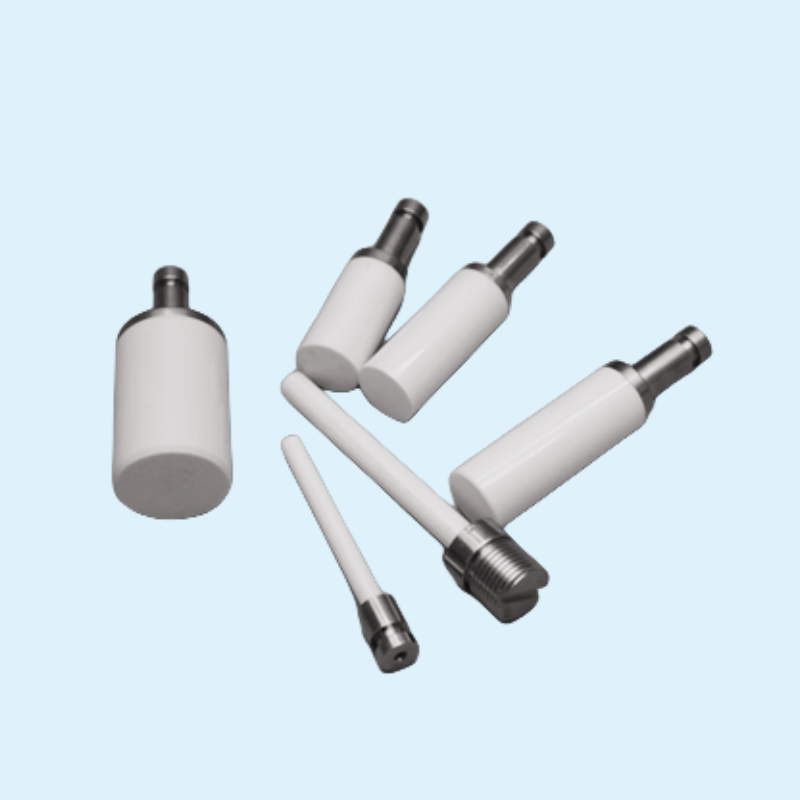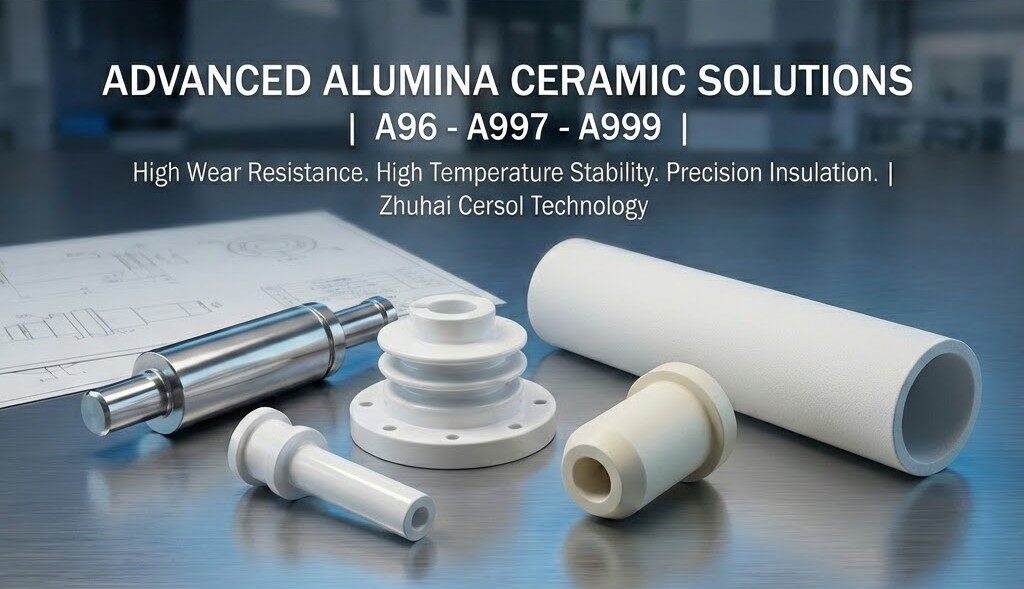
In the industrial world, equipment downtime is the biggest cost killer. Alumina Ceramic exists to solve this problem. As an engineering material that strikes a perfect balance between hardness, heat resistance, and insulation, it can extend the lifespan of your mechanical parts by 5 to 10 times under extreme conditions.
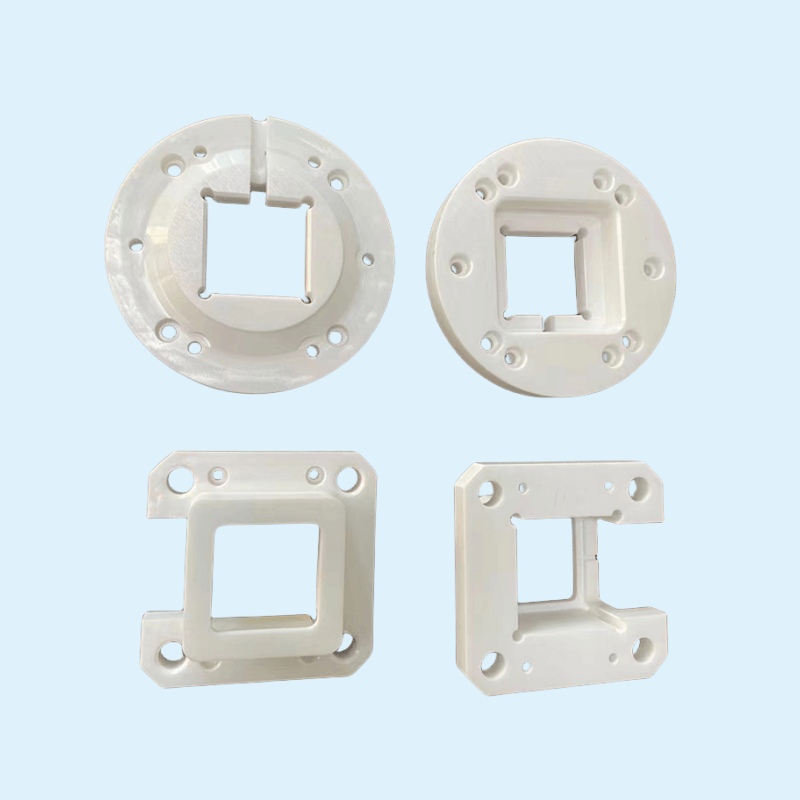
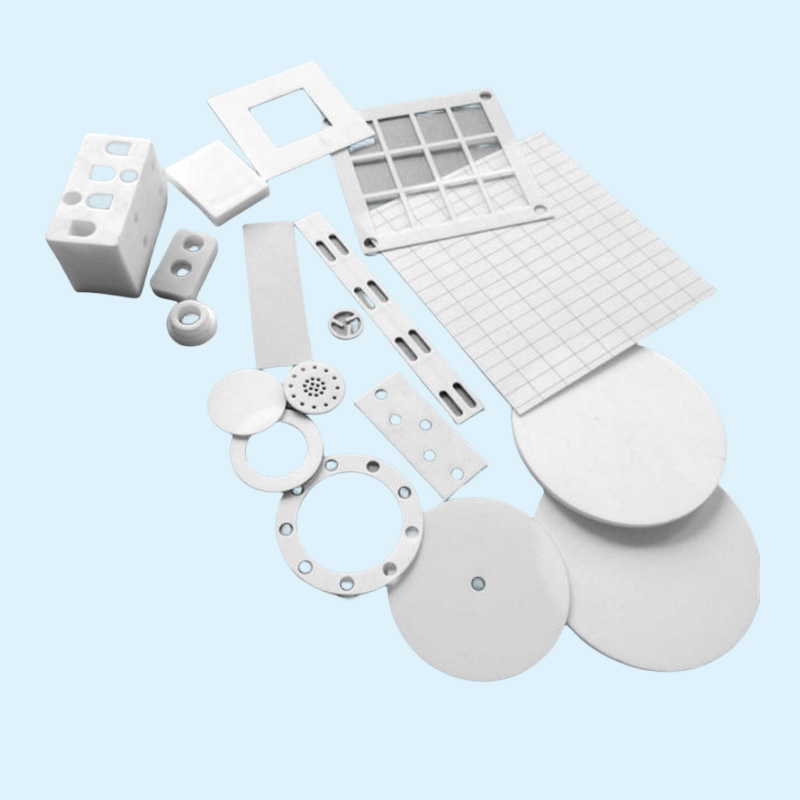
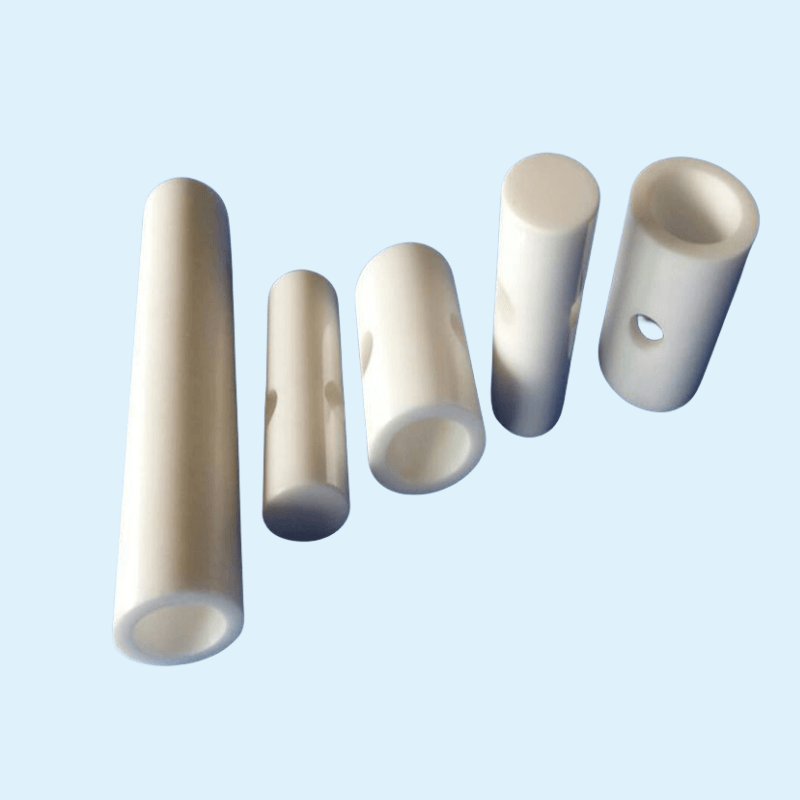
Whether you need a seal ring resistant to slurry abrasion or an electronic substrate that remains insulating at high temperatures, Zhuhai Cersol Technology provides customized Alumina solutions (A96 - A999)
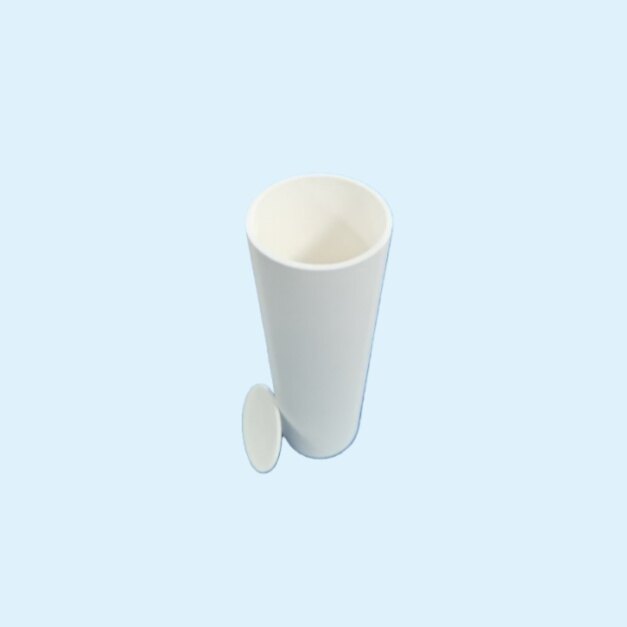
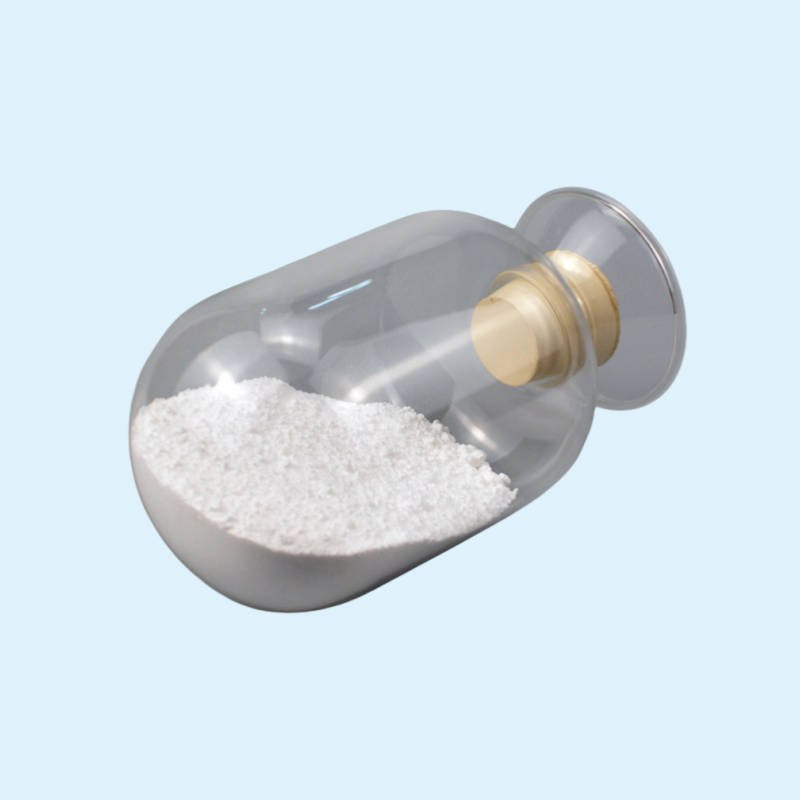
Alumina (Al2O3) is the "versatile workhorse" of industrial ceramics. It is not fragile porcelain but a dense inorganic non-metallic material formed through high-temperature sintering.
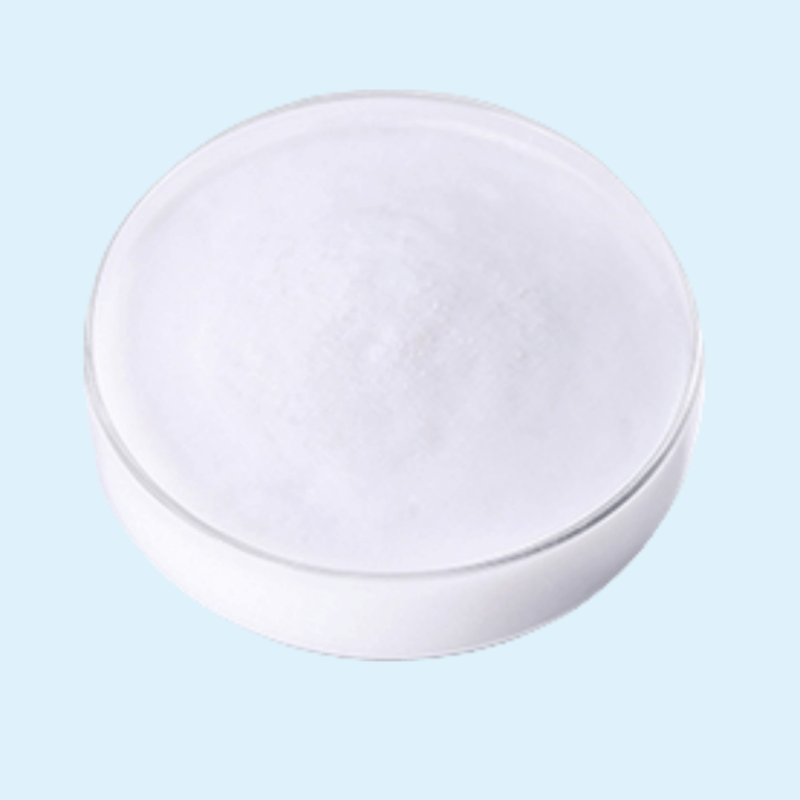
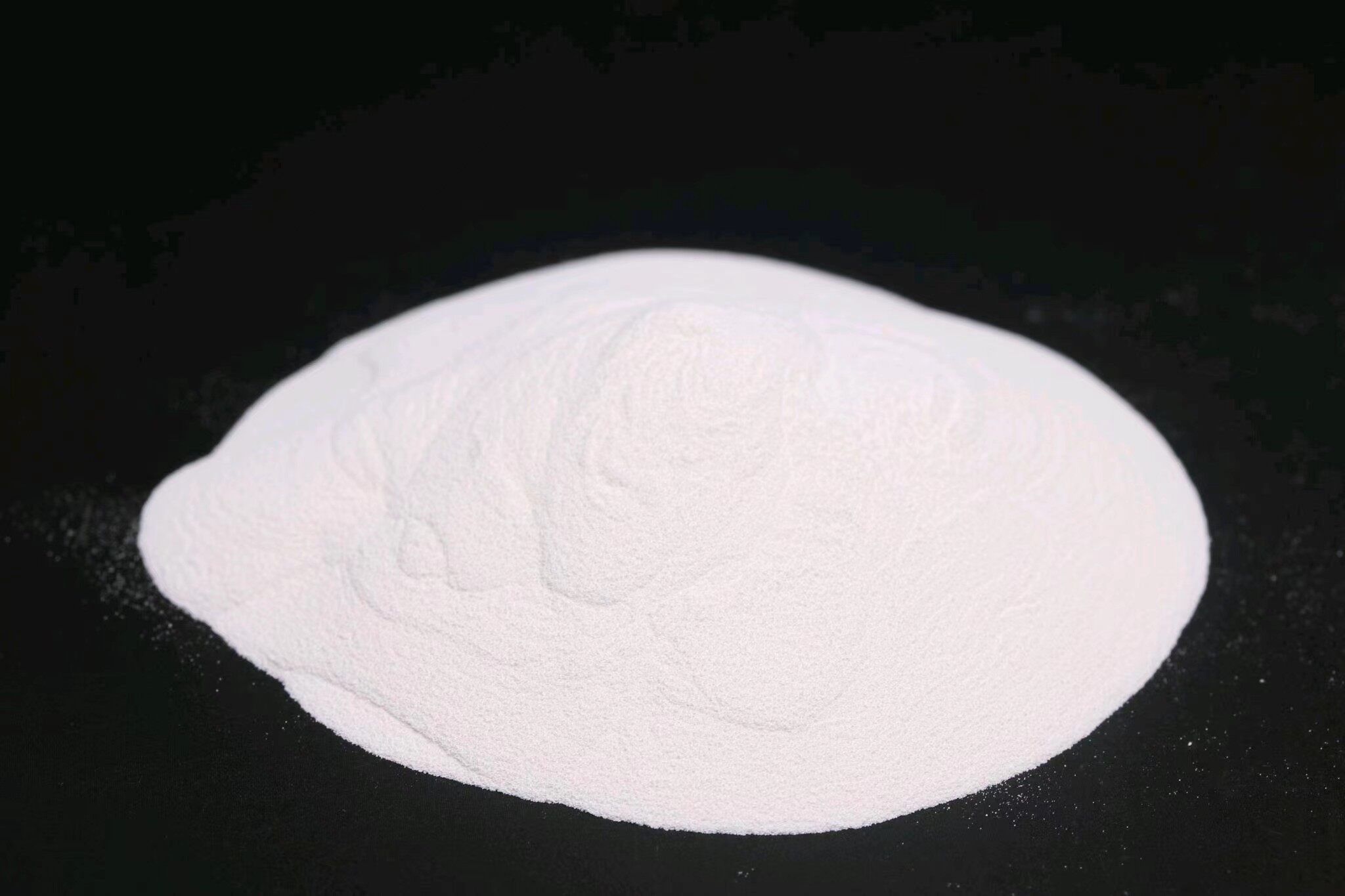
Appearance: Depending on purity, it appears White (A96/A999) or Off-white (A997)
Key Characteristic: It offers zero water absorption (0%) across all our grades, ensuring stability in wet environments
Selection should be based on facts, not guesses. The following data comes from our internal laboratory tests
|
Property |
Unit |
A96 |
A997 |
A999 |
|---|---|---|---|---|
|
Color |
- |
White |
Off-white |
White |
|
Density |
g/cm³ |
> 3.86 |
> 3.90 |
> 3.95 |
|
Water Absorption |
% |
0 |
0 |
0 |
|
Grain Size (Average) |
μm |
5 - 8 |
4.47 |
5.87 |
|
Vickers Hardness |
GPa |
15 |
16 |
16.5 |
|
Flexural Strength |
MPa |
> 350 |
> 350 |
> 450 |
|
Young's Modulus |
GPa |
340 |
380 |
380 |
|
Poisson's Ratio |
- |
0.23 |
0.23 |
0.23 |
|
Thermal Conductivity |
W/(m·K) |
26 |
32 |
34 |
|
Thermal Shock (ΔT) |
°C |
200 |
200 |
250 |
|
Thermal Expansion Coeff. |
10⁻⁶/°C |
7 |
7.2 |
7.5 |
|
Specific Heat Capacity |
J/(g·K) |
0.7 |
0.77 |
0.78 |
|
Dielectric Breakdown |
KV/mm |
14 |
15 |
15 |
|
Volume Resistivity |
Ω·cm |
> 1014 |
> 1014 |
> 1015 |
|
Dielectric Constant (1MHz) |
- |
9.4 |
9.7 |
9.9 |
|
Dielectric Loss (1MHz) |
×10⁻⁴ |
40 |
10.9 |
2.2 |
Source: Cersol Technical Data Sheet
Why is it the standard for wear resistance?
Hardness Beyond Steel: Even our entry-level A96 achieves a Vickers Hardness of 15 GPa
High Strength Support: The A999 series offers a flexural strength greater than 450 MPa
In environments where plastics melt and metals soften, Alumina Ceramic stands firm.
Heat Dissipation:A999 features a thermal conductivity of 34 W/(m*K)
Thermal Shock Resistance: While ceramics generally fear rapid temperature changes, our A999 can withstand a thermal shock of 250°C
For manufacturers of high-voltage equipment, insulation reliability is a matter of safety.
Dielectric Strength: Our ceramics offer a breakdown voltage of 14 - 15 KV/mm
Volume Resistivity: With volume resistivity exceeding 1014Ohm*cm (and up to 1015 for A999)
The Issue: Unlike metals, Alumina ceramic does not deform plastically under stress; it cracks. It has low resistance to impact loads. If your application involves heavy hammering or dropping, Alumina might shatter.
The Solution: Use Zirconia (ZrO2) for high-impact areas, or design your Alumina parts with chamfered edges to reduce stress concentration.
The Issue: While Alumina withstands high temperatures (up to 1700°C), it dislikes sudden temperature changes. A rapid change of more than 200°C-250°C (Thermal Shock) can cause thermal fractures.
The Solution: If you need to quench parts from red-hot to cold water instantly, Silicon Nitride (Si3N4) is a better choice.
The Issue: Because it is harder than tungsten carbide, Alumina cannot be machined with standard HSS or carbide tools after sintering. It requires expensive diamond tooling, making complex modifications costly.
The Solution: Consult with Cersol engineers before sintering. We can perform "Green Machining" (shaping before firing) to significantly reduce costs.
Choose A96: The Cost-Effective Choice. Ideal for general wear liners or pump seals. It offers excellent hardness (15 GPa) at a competitive price
Choose A997: Standard Precision. With a specific average grain size of 4.47 um
Choose A999: Extreme Performance. It features the highest density (>3.95 g/cm3) and strength, designed for semiconductor equipment or vacuum environments where impurities must be minimized
Q: Does your ceramic absorb liquid?
A: No. The water absorption rate for all our grades (A96/A997/A999) is 0%
. This ensures dimensional stability in chemical or wet environments.
Q: How tough is the material?
A: Alumina is very hard but rigid. Its Young's Modulus is between 340 and 380 GPa
. While it resists wear exceptionally well, it should be installed carefully to avoid impact shocks.
We are not just a supplier; we are your material consultants. We ensure every batch meets strict physical standards.
Contact Us: For specific technical inquiries or a quote.
Web:
Email: info@ceramic-solutions.com
Phone: +86 13536586031