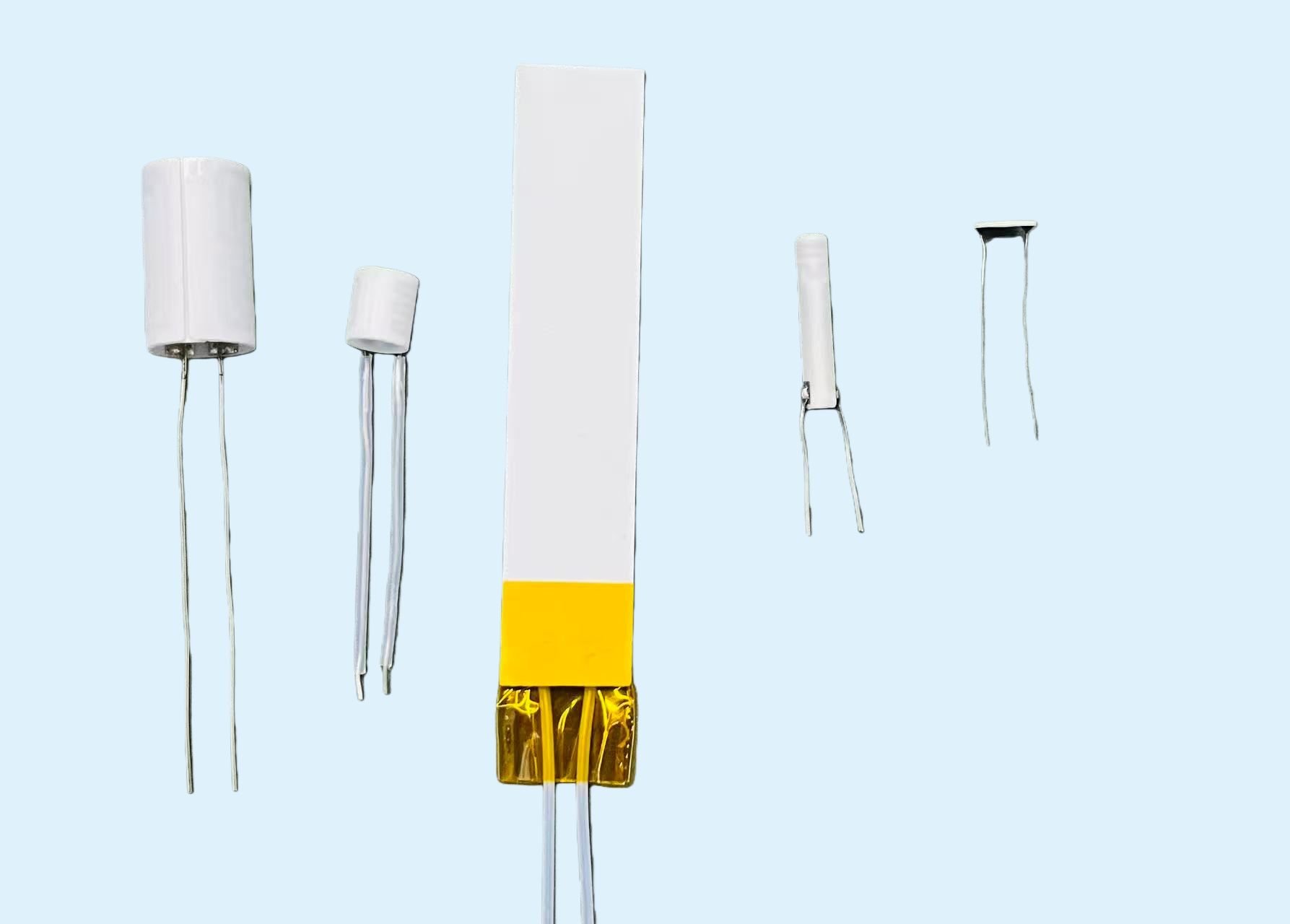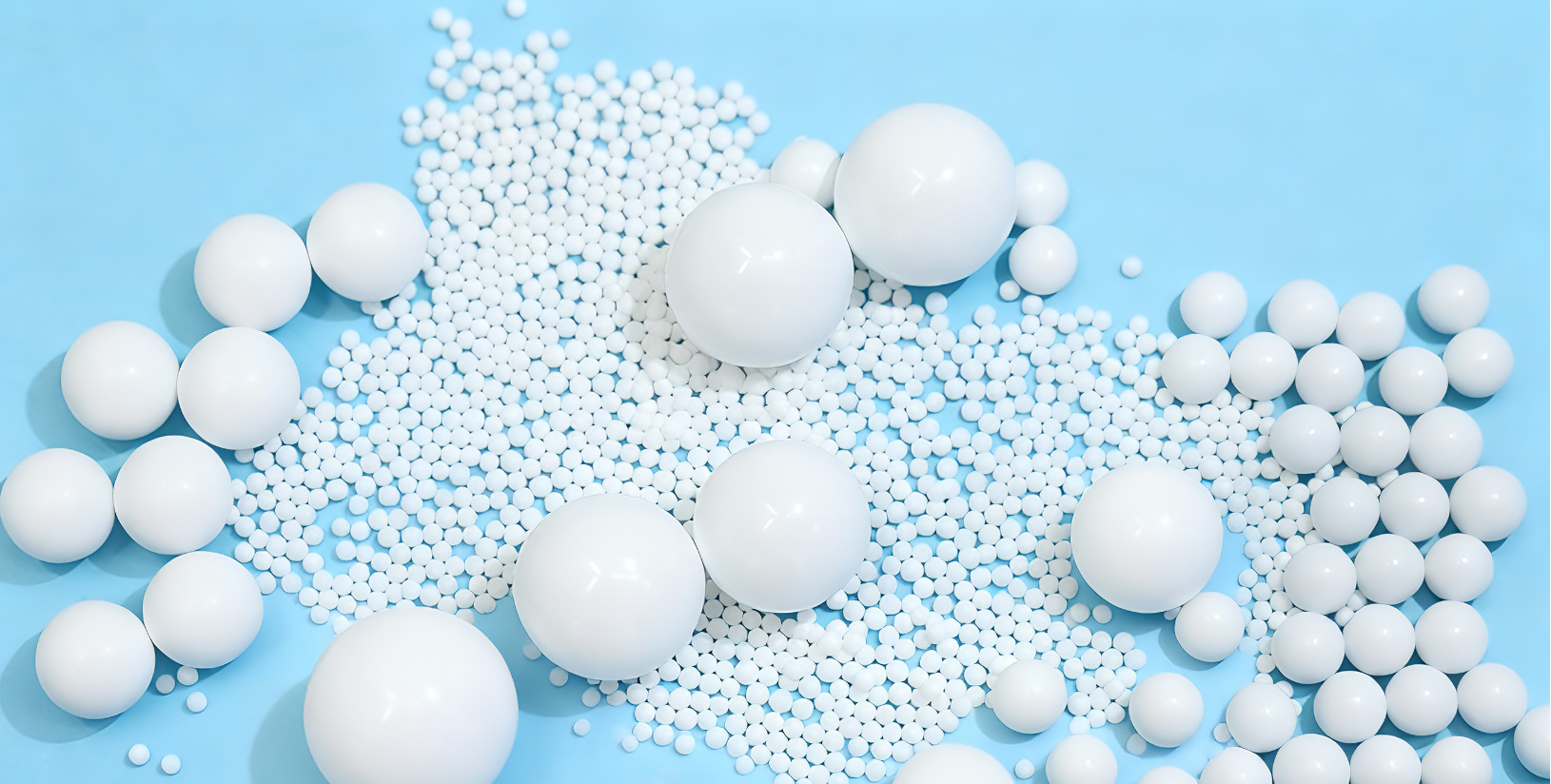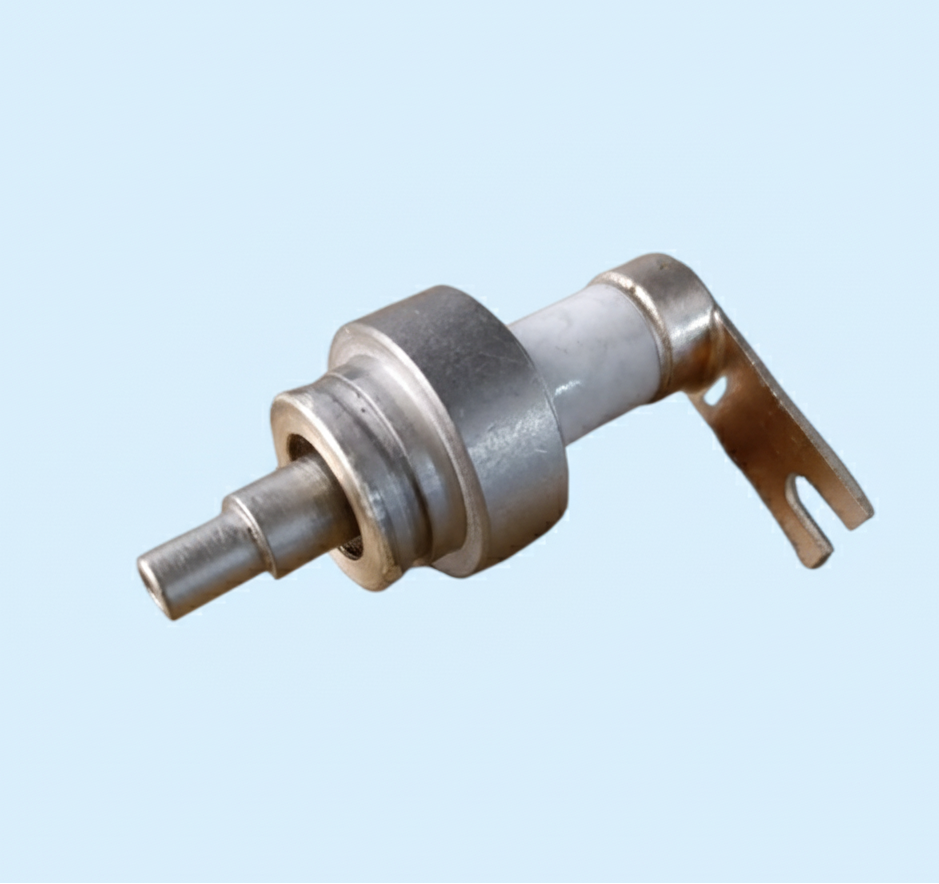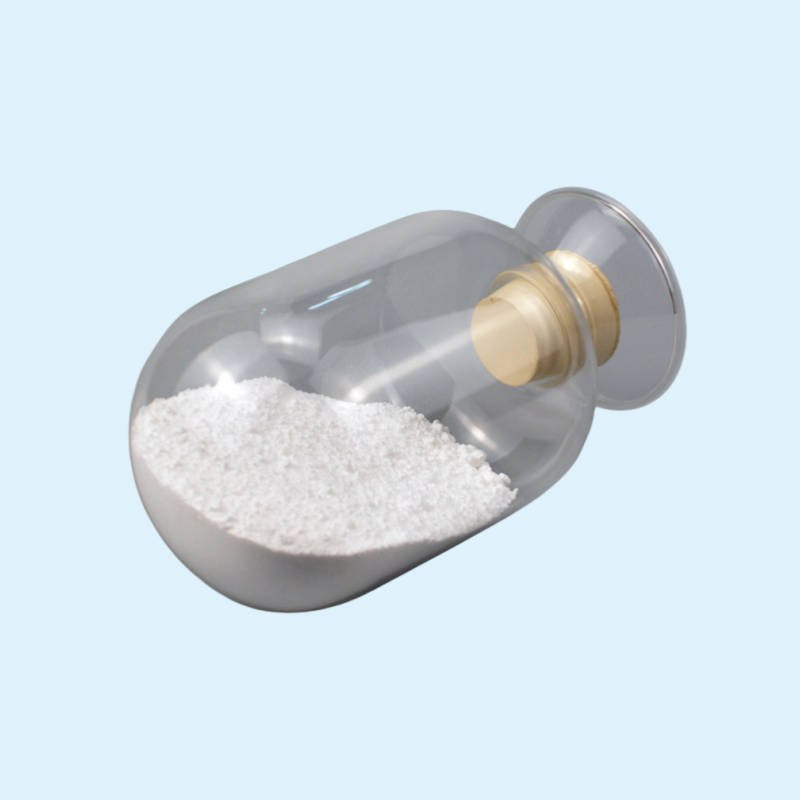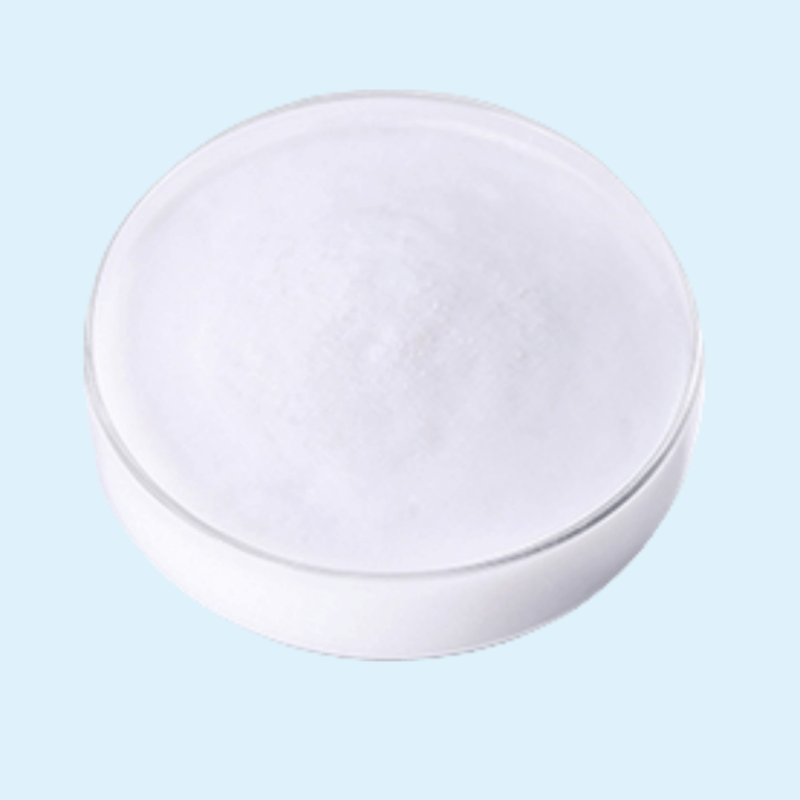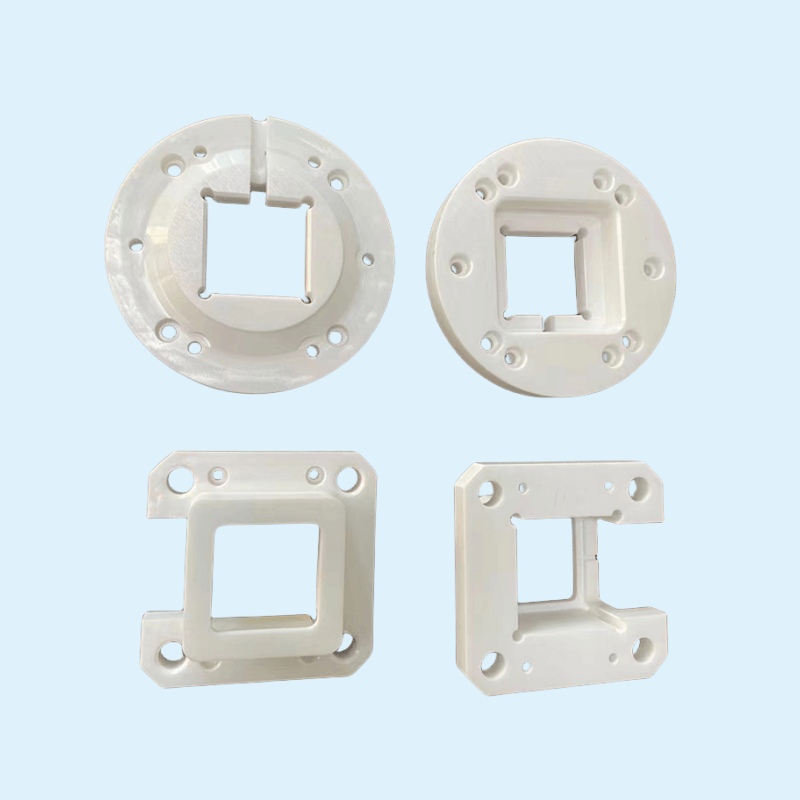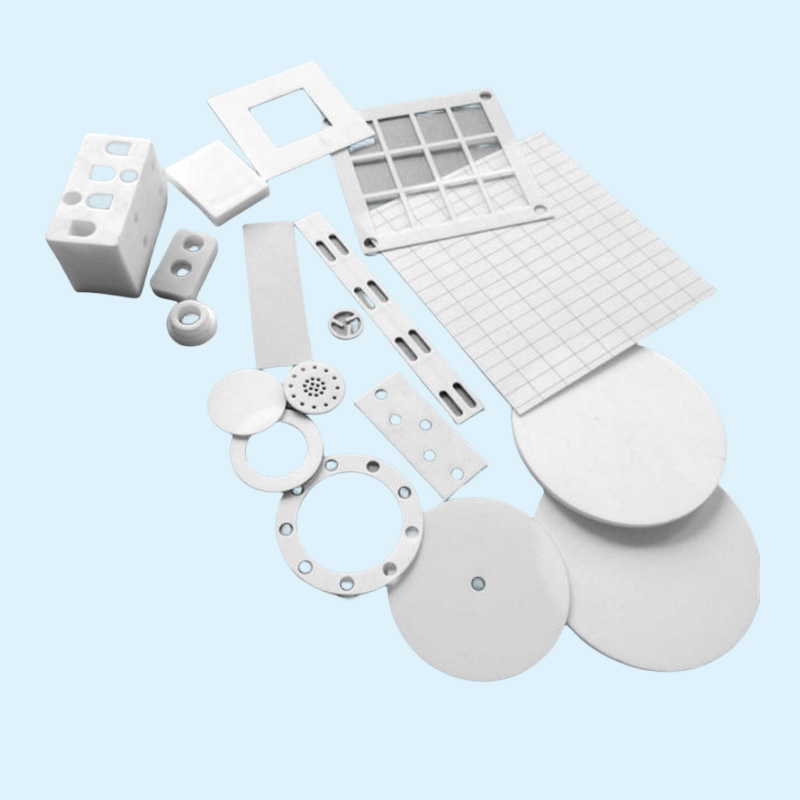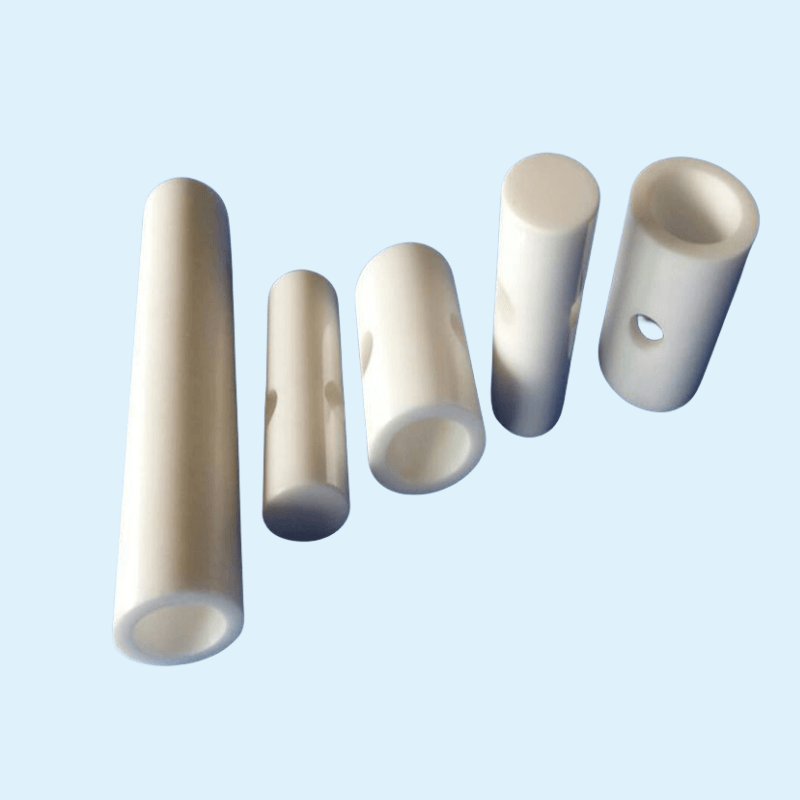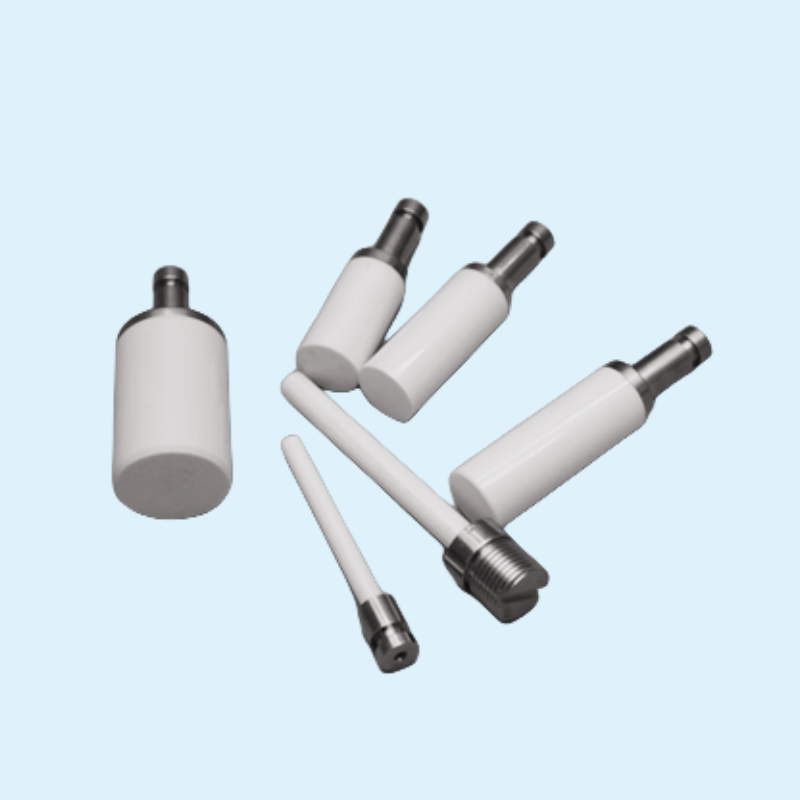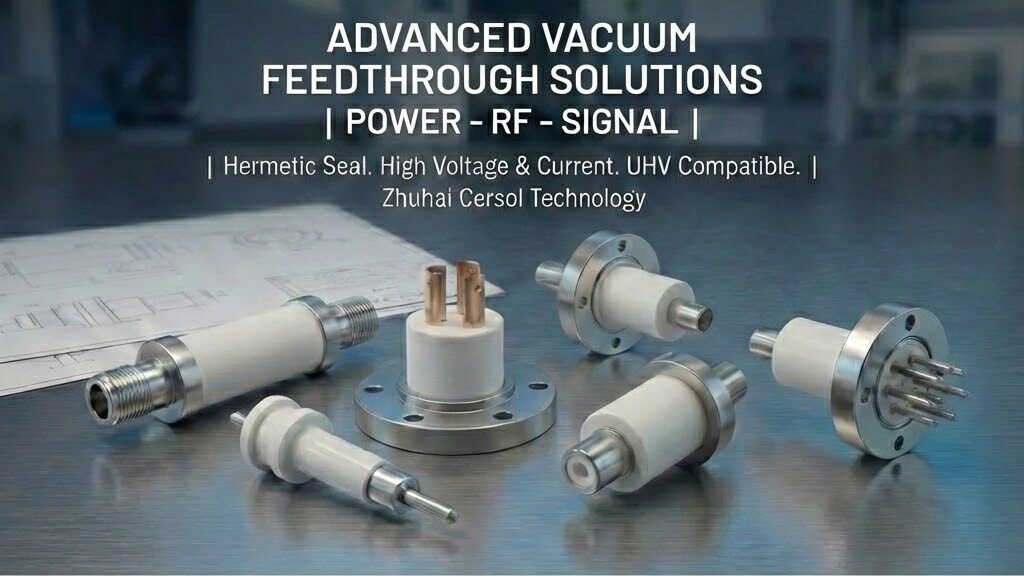
Stop Vacuum Leaks Before They Start. In Ultra-High Vacuum (UHV) systems, the connection point is often the weakest link. Cersol’s ceramic-to-metal feedthroughs are engineered to withstand the rigorous demands of semiconductor processing, particle physics, and cryogenic research. Unlike standard glass-to-metal seals, our high-purity Alumina (99%+) brazing technology ensures superior mechanical strength and electrical isolation, maintaining hermetic integrity even under extreme thermal cycling.
UHV Compatibility: Leak rates tested to < 1* 10-9 mbar·L/s (He).
Matched Expansion: We use Kovar (Fe-Ni-Co) or Titanium transition layers to match the thermal expansion coefficient (CTE) of the ceramic, preventing stress cracks during bake-out.
Custom Configurable: Available in Standard (CF/KF/ISO) flanges or custom weldable adapters.
High Performance:
Voltage: Up to 100kV DC
Current: Up to 1000A (Water-cooled options available)
Frequency: Up to 18 GHz for RF coaxial models
|
Parameter |
Specification |
Notes |
|---|---|---|
|
Insulator Material |
96% - 99.8% Alumina (Al₂O₃) |
High purity reduces dielectric loss. |
|
Conductor Material |
OFHC Copper, Kovar, Nickel, Molybdenum |
Selected based on current/conductivity needs. |
|
Seal Type |
Active Brazing / Mo-Mn Metallization |
Creating a chemical bond, not just mechanical. |
|
Temperature Range |
-270°C (Cryogenic) to +450°C |
Max temp depends on flange type. |
|
Voltage Rating |
500V - 100kV |
Custom spacing for anti-arcing. |
|
Vacuum Level |
Up to 1 × 10⁻¹¹ Torr |
True UHV standard. |
At Cersol, we believe honest engineering leads to better system design. Ceramic feedthroughs are superior, but they obey physics constraints.
A. Brittleness & Mechanical Shock
The Challenge: Unlike polymer or rubber seals, ceramics have zero ductility. They cannot withstand bending stress or high-impact mechanical shock.B. Thermal Shock Sensitivity
Reality: A hammer blow or dropping the flange will crack the ceramic.
Our Solution: We recommend using flexible bellows or stranded wire on the air-side connection to prevent transferring mechanical stress to the rigid ceramic pin.
The Challenge: While Alumina withstands high heat, it has low thermal conductivity. Rapid temperature changes (>10°C/min) can create a temperature gradient, causing the ceramic to crack or the braze joint to fail due to CTE mismatch.C. Cost vs. Glass-Seals
Precaution: Ramping rates during system bake-out must be controlled. Do not water-quench a hot feedthrough.
The Reality: Ceramic-to-metal seals are more expensive to manufacture than glass-to-metal seals due to the complex brazing process.
Recommendation: If your application is Low Vacuum (Roughing) and low temperature (<150°C), glass might be sufficient. Choose Cersol Ceramic Feedthroughs when reliability is non-negotiable (e.g., expensive wafer processing or long-term space simulation).
Failure to follow these rules is the #1 cause of field failures. Please train your technicians.
A. DO NOT Overtighten:
When mounting CF flanges, use a torque wrench. Uneven or excessive torque warps the metal flange, transmitting shear stress directly to the ceramic seal.B. Welding Precautions (For Weldable Models):
Tip: Tighten bolts in a "star" pattern to distribute load evenly.
Heat travels fast. When TIG welding the adapter to your chamber, you must use a heat sink (wet cloth or copper block) on the feedthrough body.
Keep the ceramic seal temperature below 300°C during installation to protect the braze joint.
C. Connector Stress Relief:
Never support heavy cables solely by the feedthrough pin. Always use cable clamps or strain relief bars on the chamber frame.
Allow "slack" in internal wiring to account for thermal expansion during process cycles.
D. Cleaning Protocol:
Use Isopropyl Alcohol (IPA). Do not use sandblasting or abrasive pads on the ceramic surface; scratches become paths for high-voltage arcing ("tracking").
|
Symptom |
Probable Cause |
Corrective Action |
|---|---|---|
|
Leak detected after Bake-out |
Ramping temp too fast caused thermal shock fracture. |
Replace unit. Limit future ramp rates to <5-8°C/min. |
|
Arcing / Sparking |
Surface contamination (fingerprints/oil) on air-side ceramic. |
Clean thoroughly with alcohol and dry with nitrogen. Install air-side protective boot. |
|
Conductor Overheating |
Current exceeds rating; Contact resistance high. |
Check loose connections. Switch to solid Copper conductor options for high-current loads. |
|
Ceramic Cracking |
Rigid busbar connection forcing the pin. |
Replace rigid busbars with flexible braided straps. |
A. Semiconductor Manufacturing (PVD/CVD):
Delivering high-current power to heaters and evaporators without contaminating the process chamber.B. Quantum Computing & Cryogenics:
Routing sensitive signal lines into dilution refrigerators where leak integrity at 4 Kelvin is critical.C. Aerospace Testing:
Feedthroughs for thermal vacuum chambers (TVAC) simulating orbital conditions.
Don't risk your vacuum integrity. Whether you need a standard CF flange replacement or a custom-designed high-voltage array, Cersol’s engineering team is ready to review your drawing.