Porous Ceramic Air Floating Plate
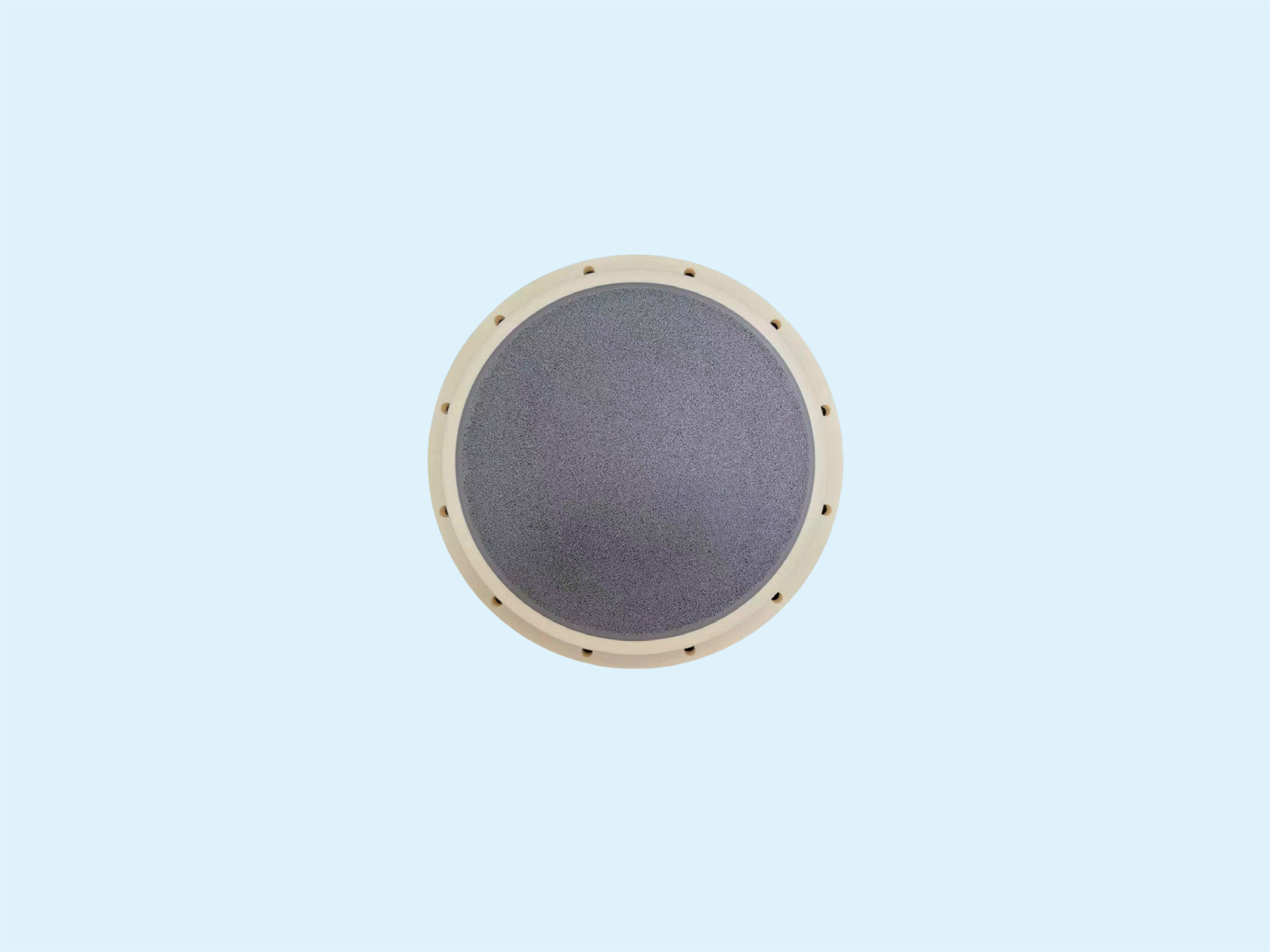
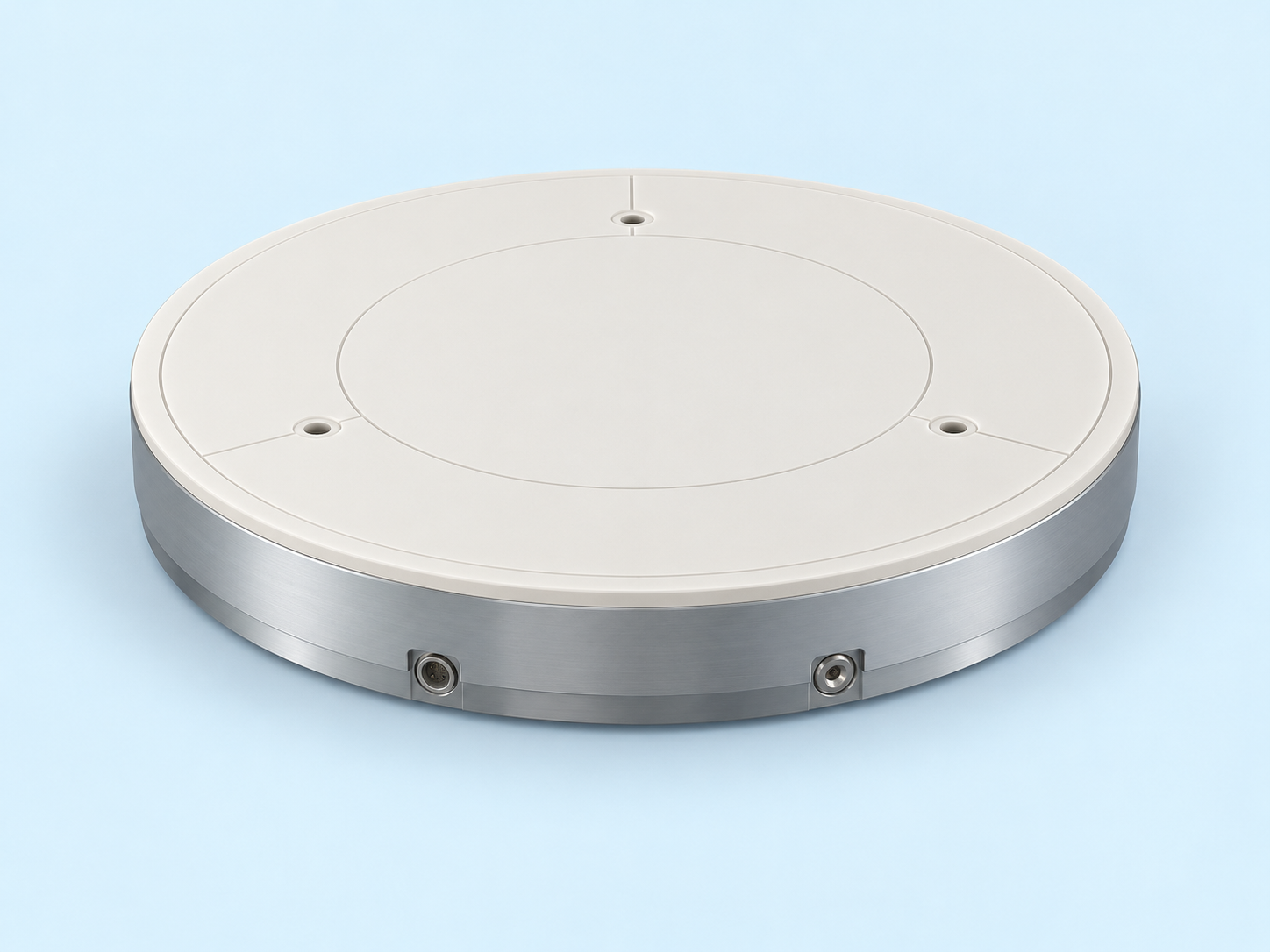
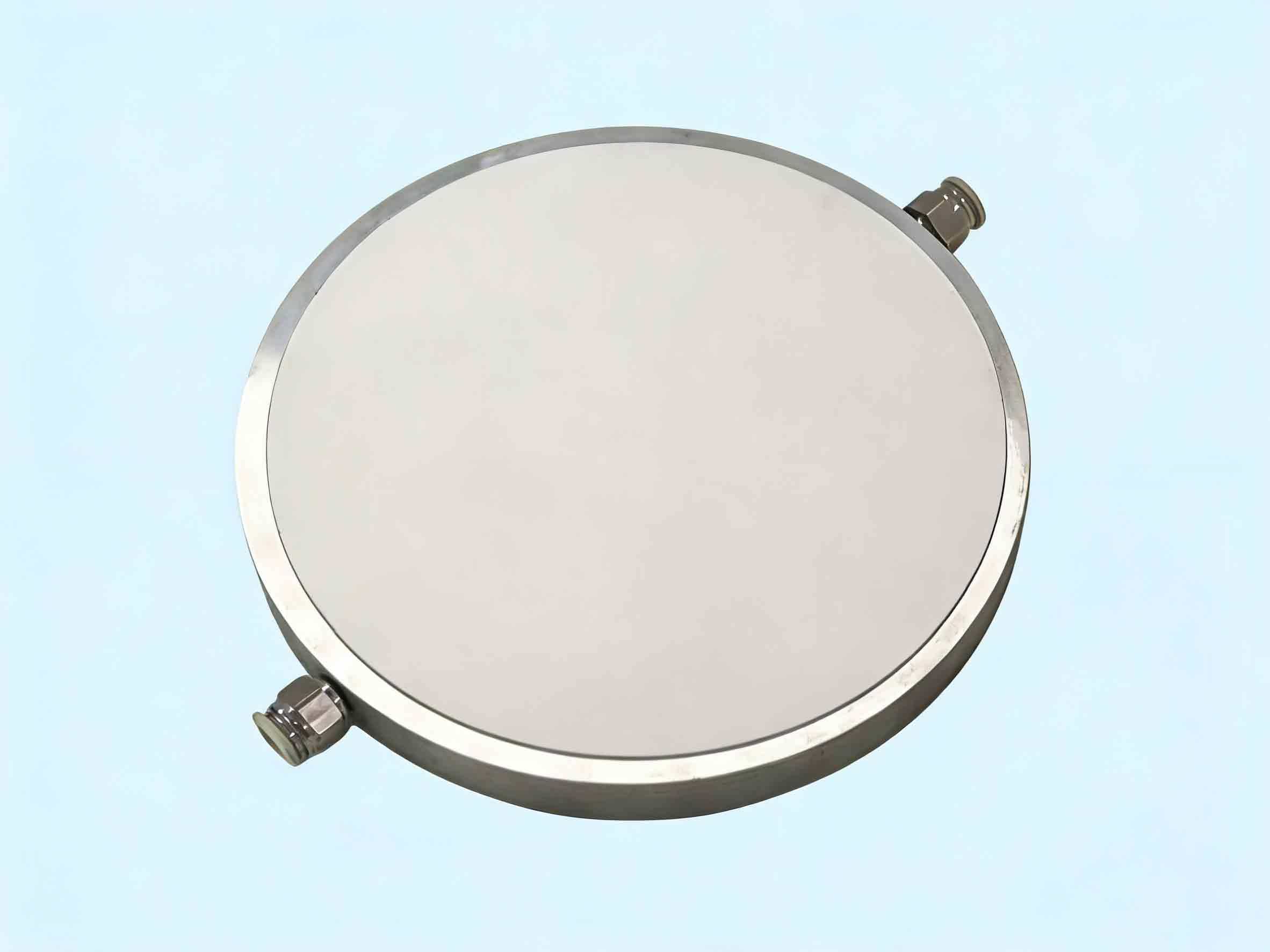
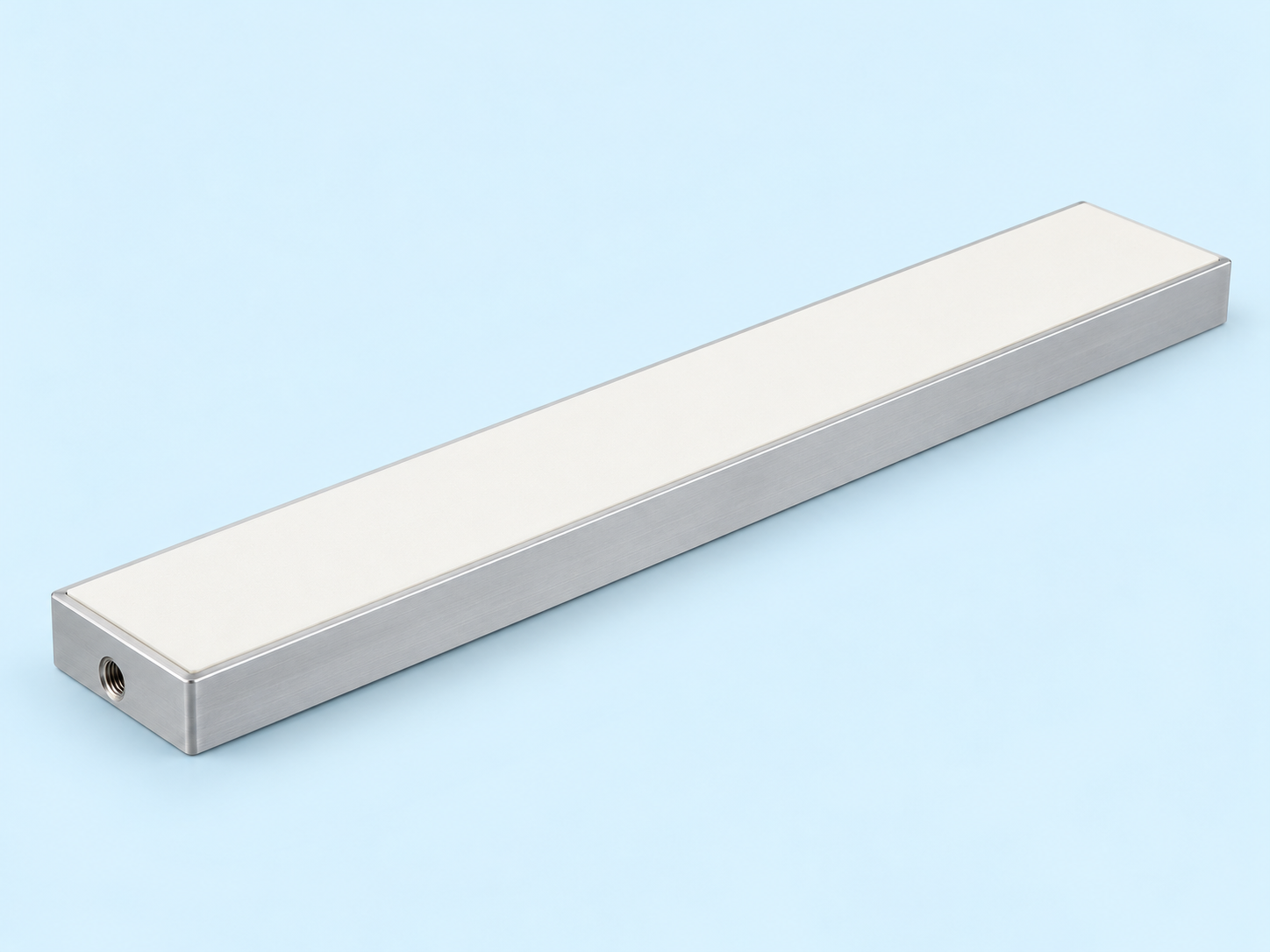
The porous ceramic air floating plate combines a porous alumina ceramic surface with an aluminum alloy base for non-contact handling of flat workpieces. Compressed air passes through the porous ceramic restrictor to form a micrometer-scale air film, supporting glass substrates and large-diameter wafers during transfer.
Non-Contact Support for Flat Workpieces
- Distributed airflow through the porous alumina surface supports workpieces without sliding contact during normal flotation.
- The supporting air film helps reduce contact-related scratches during substrate handling.
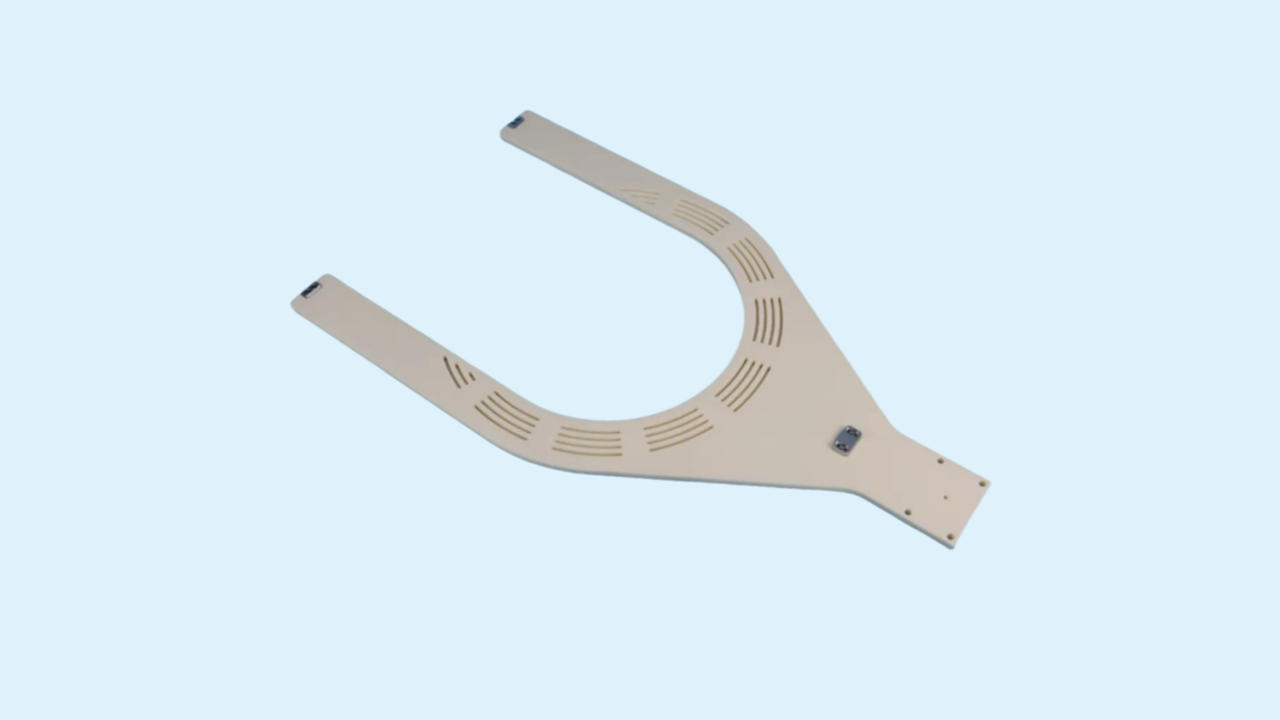
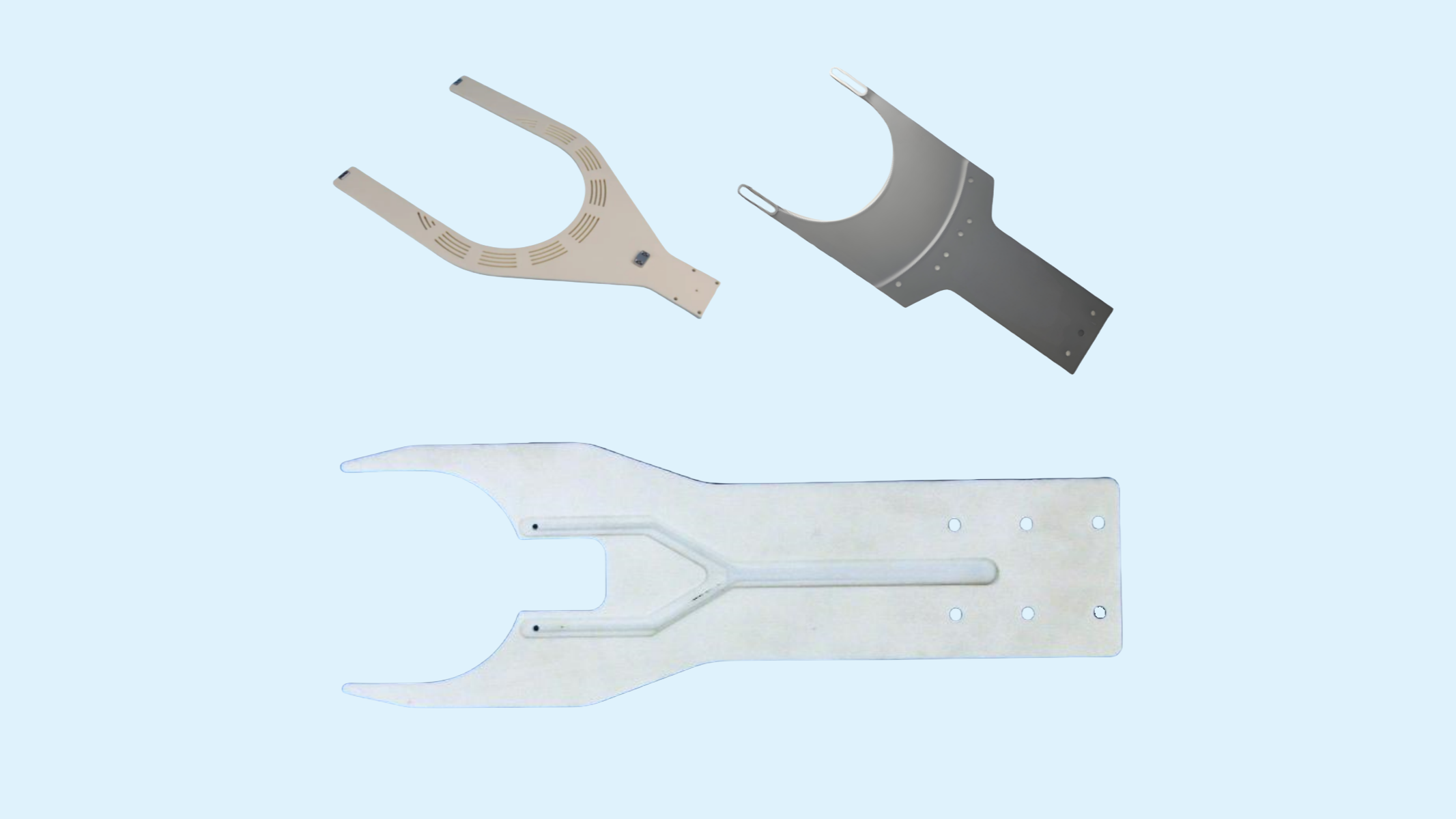
- Plain and grooved surface configurations support different equipment layouts.
- A 100 mm width and four listed lengths provide options for arranging substrate support.
Models and Surface Options
| Example model | Surface | Nominal length |
|---|---|---|
| ASP-PS-500 | Plain surface | 500 mm |
| ASP-GS-500 | Grooved surface | 500 mm |
ASP denotes Aerostatic Plate. PS denotes Plain Surface, and GS denotes Grooved Surface. The final number indicates length in millimeters. Confirm the selected surface configuration and connection layout against the product drawing.
Technical Specifications
| Parameter | Specification |
|---|---|
| Base material | Aluminum alloy |
| Working surface | Porous alumina ceramic |
| Width | 100 mm |
| Available lengths | 250, 500, 750 and 1500 mm |
| Positive / negative pressure port size | G1/8 |
| Positive-pressure ports | 1 |
| Negative-pressure ports | 2 per 250 mm, as listed in the selection manual |
| Flatness | 20 µm/m |
| Air supply pressure | ≤ 0.2 MPa |
| Air film thickness | 50–300 µm |
| Load capacity | ≥ 350 kg/m² at 0.2 MPa |
| Air consumption | 20 L/min per 500 mm at 0.2 MPa |
| Compressed air quality | ISO 8573-1 class 1.6.2, as specified in the selection manual |
| Installation orientation | Horizontal |
| Mounting | M5 bolts |
| Weight | ≤ 3.8 kg per 500 mm |
Load capacity and air consumption are stated at the specified supply pressure. Air film thickness depends on operating conditions. Final dimensions, port layouts and acceptance requirements are subject to the confirmed drawing.
Applications
- Non-contact transfer of glass substrates.
- Support and handling of large-diameter wafers.
- Flat workpiece conveying systems requiring reduced sliding contact.
Installation and Selection
Install the plate horizontally using M5 bolts and connect an air supply meeting the specified cleanliness class. Keep supply pressure within 0.2 MPa. Select plate length, surface configuration and support arrangement according to workpiece dimensions and load. Confirm negative-pressure operating requirements and port connections for the selected model before installation.
Frequently Asked Questions
How does the air floating plate support a workpiece?
Compressed air passes through the porous alumina ceramic surface and forms an air film between the plate and the workpiece, providing non-contact support.
What is the difference between PS and GS models?
PS identifies a plain surface, while GS identifies a grooved surface. Select the configuration according to the equipment design and confirmed product drawing.
What information is needed for selection?
Provide the workpiece material, dimensions, thickness and weight, together with the support layout, available air supply and required operating air gap.
Discuss an air floating plate for your substrate handling equipment.
Contact Our Team