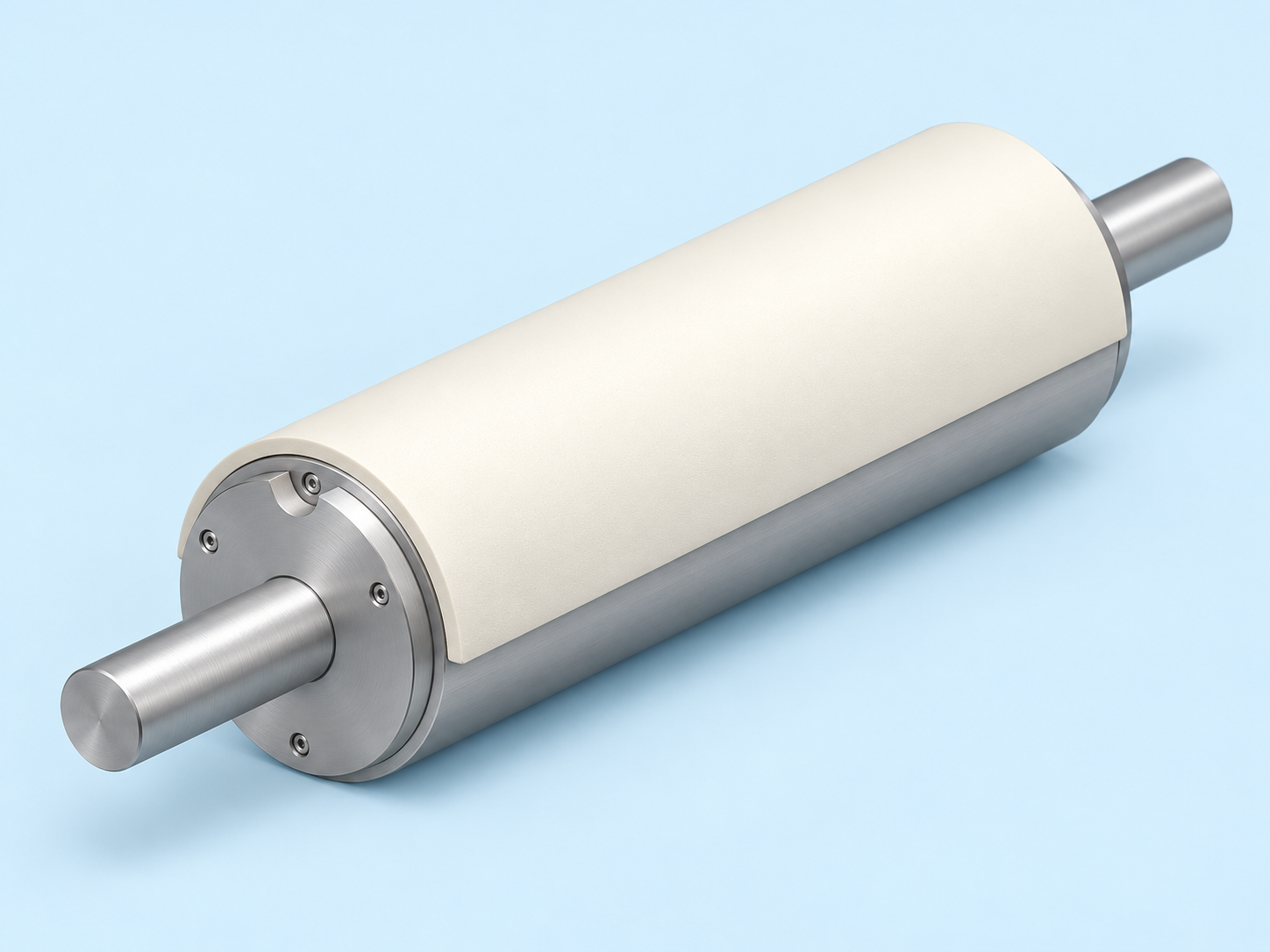
Porous Ceramic Air Turn Roller
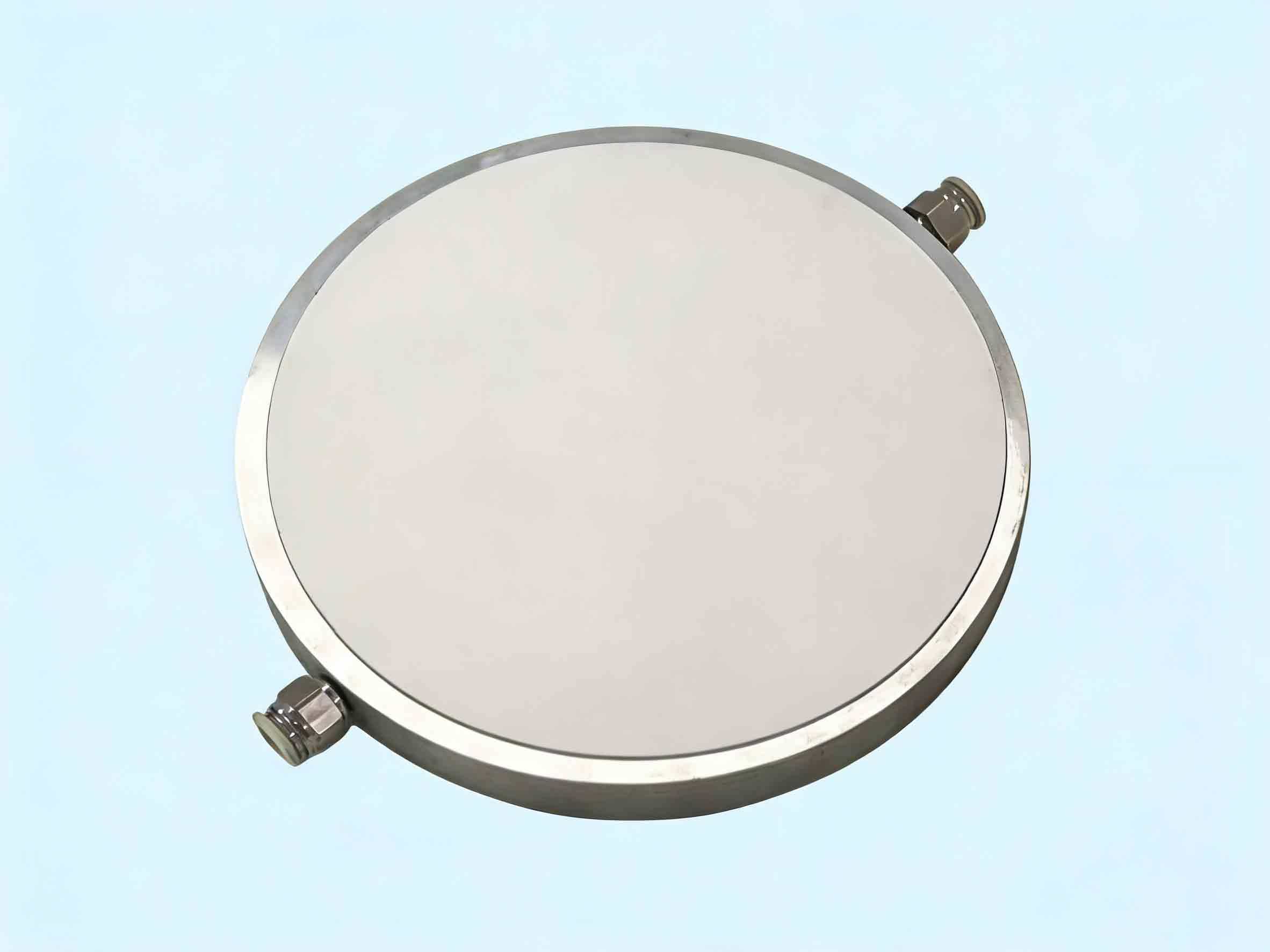
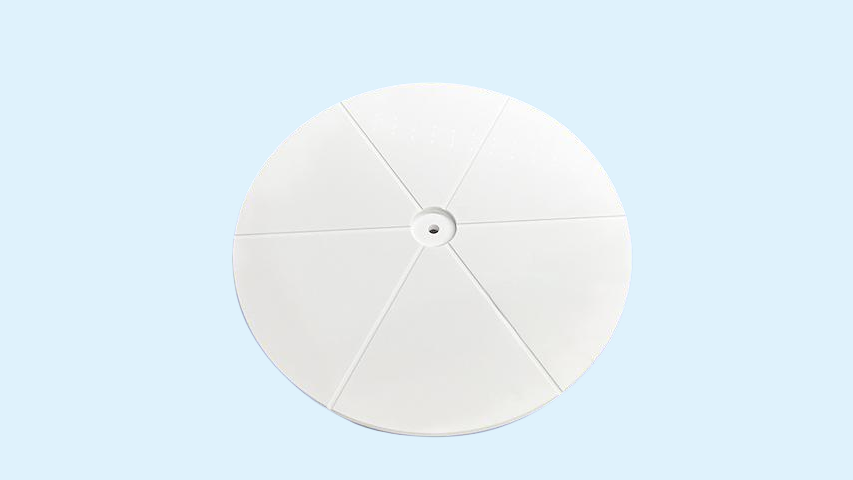
The porous ceramic air turn roller uses compressed air distributed through a porous alumina surface to support thin films on an air cushion. It enables non-contact web guidance and transport for optical films, battery separators, flexible OLED substrates and semiconductor films.
Non-Contact Film Guidance
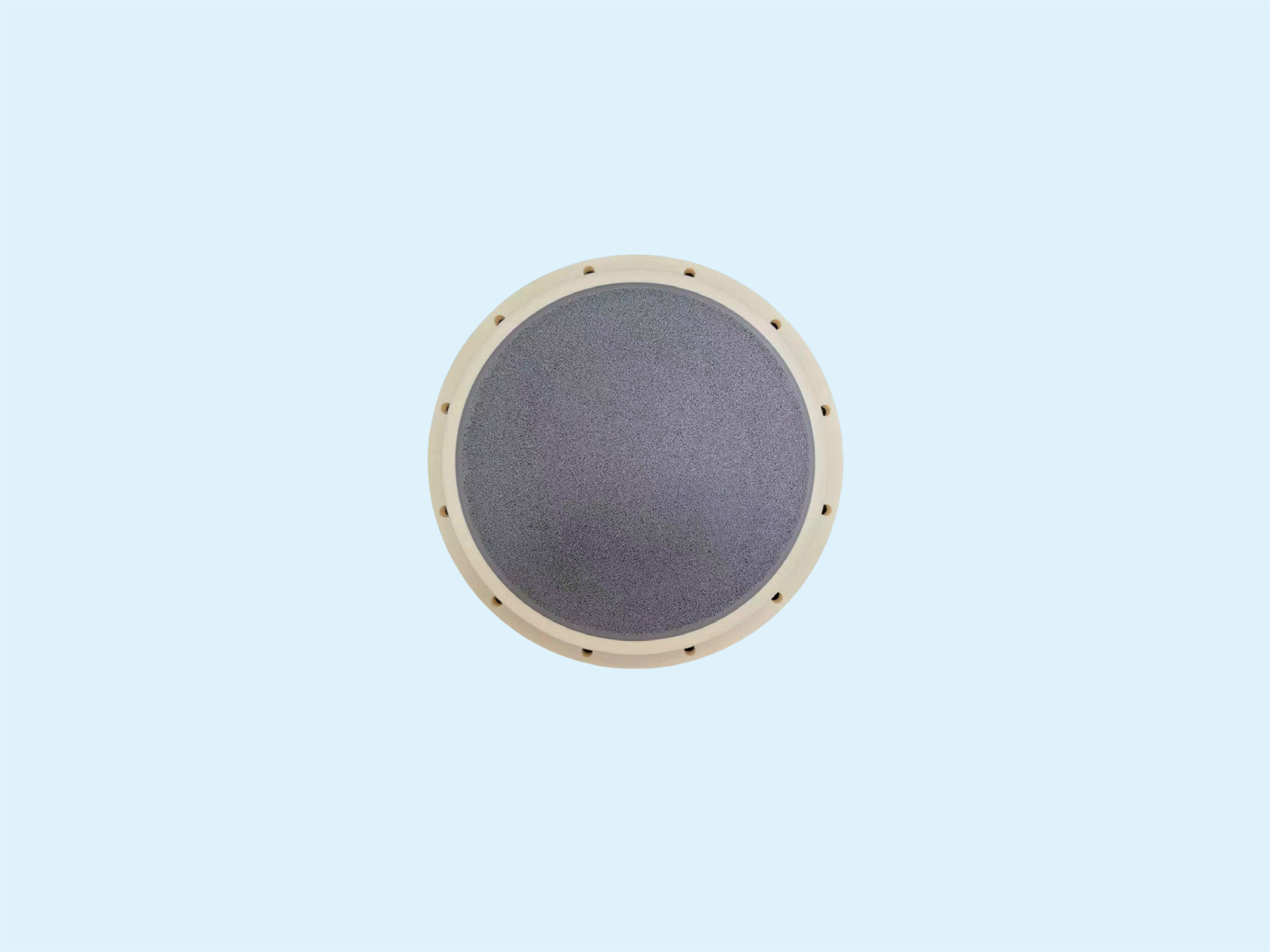
- Porous ceramic restrictor: Distributed airflow forms an air film between the curved ceramic surface and the moving web.
- Reduced sliding contact: Air-supported guidance helps reduce contact-related scratches on sensitive film surfaces.
- Temperature-specific designs: Select an aluminum-base AA model for ambient-temperature operation or a ceramic-base AC model for higher-temperature applications.
- Configuration options: Listed lengths range from 300 to 1500 mm, with 90°, 180° and 360° wrap-angle options.
AA and AC Model Selection
| Parameter | Air Turn AA | Air Turn AC |
|---|---|---|
| Configuration | Ambient-temperature type | High-temperature type |
| Operating temperature | ≤ 30°C | ≤ 150°C |
| Base material | 6061 aluminum alloy, clear anodized | 99% alumina ceramic |
| Working surface | Porous alumina ceramic | Porous alumina ceramic |
| Example designation | Air Turn AA 300 | Air Turn AC 300 |
The number following AA or AC indicates the nominal length in millimeters. In the AC design, an alumina base and porous alumina working surface help reduce thermal-expansion mismatch during heating and cooling.
Technical Specifications
| Parameter | Specification |
|---|---|
| Outside diameter | 116 mm |
| Available lengths | 300, 600, 900, 1200 and 1500 mm |
| Wrap-angle options | 90°, 180° and 360° |
| Positive-pressure port | G1/8 |
| Positive-pressure port count | 1 |
| Installation orientation | Horizontal |
| Air supply pressure | ≤ 0.4 MPa |
| Air film thickness | 50–300 µm |
| Load capacity | ≥ 350 kg/m² at 0.2 MPa |
| Air consumption | Approximately 20 L/min per 300 mm at 0.2 MPa |
| Compressed air quality | ISO 8573-1 class 1.6.2 |
Load capacity and air consumption are stated at 0.2 MPa; they should not be treated as values for all supply pressures. The supported air gap depends on the operating conditions. Final dimensions, connections and acceptance requirements follow the confirmed product drawing.
Applications
- Optical functional films: Air-supported guidance where surface contact can affect film quality.
- Lithium-ion battery separators: Non-contact support in compatible separator transport systems.
- Flexible OLED substrates: Guidance for sensitive flexible webs.
- Semiconductor films: Air-supported transport for processes requiring reduced contact with the film surface.
Installation and Selection
Install the roller horizontally and provide compressed air meeting the specified cleanliness class. Select AA or AC according to the actual operating temperature, then confirm the working length, wrap angle, film width and equipment interfaces.
For application review, provide film material, width, thickness, web tension, line speed, temperature, required wrap angle and available air supply. These inputs support selection of the air-film operating conditions. The manual does not specify a universal maximum web speed or tension.
Frequently Asked Questions
What is the difference between AA and AC air turn rollers?
AA uses a 6061 aluminum alloy base and is listed for operation at up to 30°C. AC uses a 99% alumina ceramic base and is listed for operation at up to 150°C. Both use a porous alumina ceramic working surface.
What does Air Turn AA 300 mean?
Air Turn identifies the product family, AA identifies the ambient-temperature aluminum-base configuration, and 300 indicates the nominal length in millimeters.
Does non-contact transport eliminate all static-charge risks?
Reducing sliding contact can reduce one source of charge generation, but an air turn roller does not replace a process-specific electrostatic assessment or dedicated static-control equipment.
Share your film and process requirements to select a ceramic air turn roller.
Discuss Your Application