Fused Quartz Components
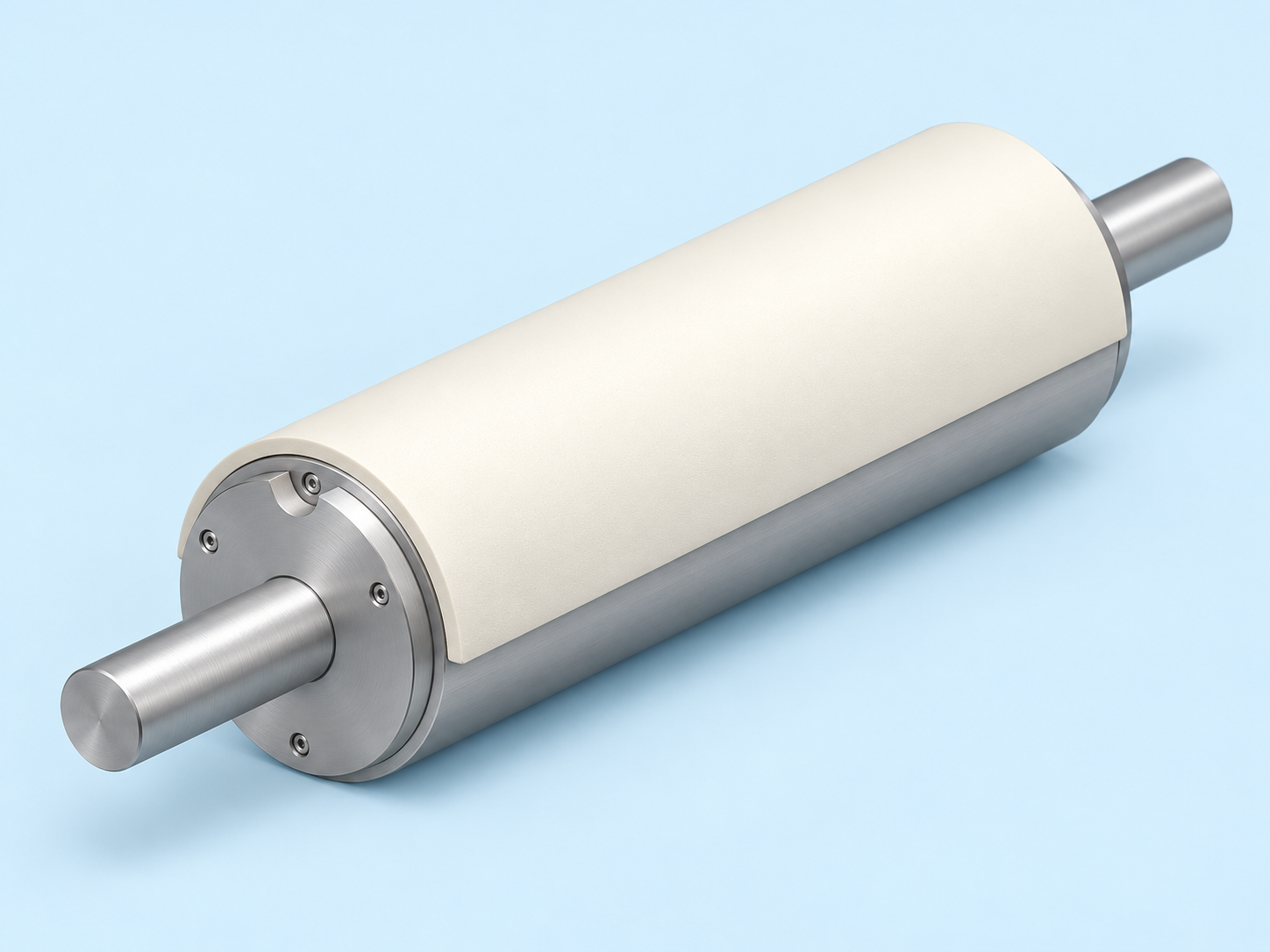
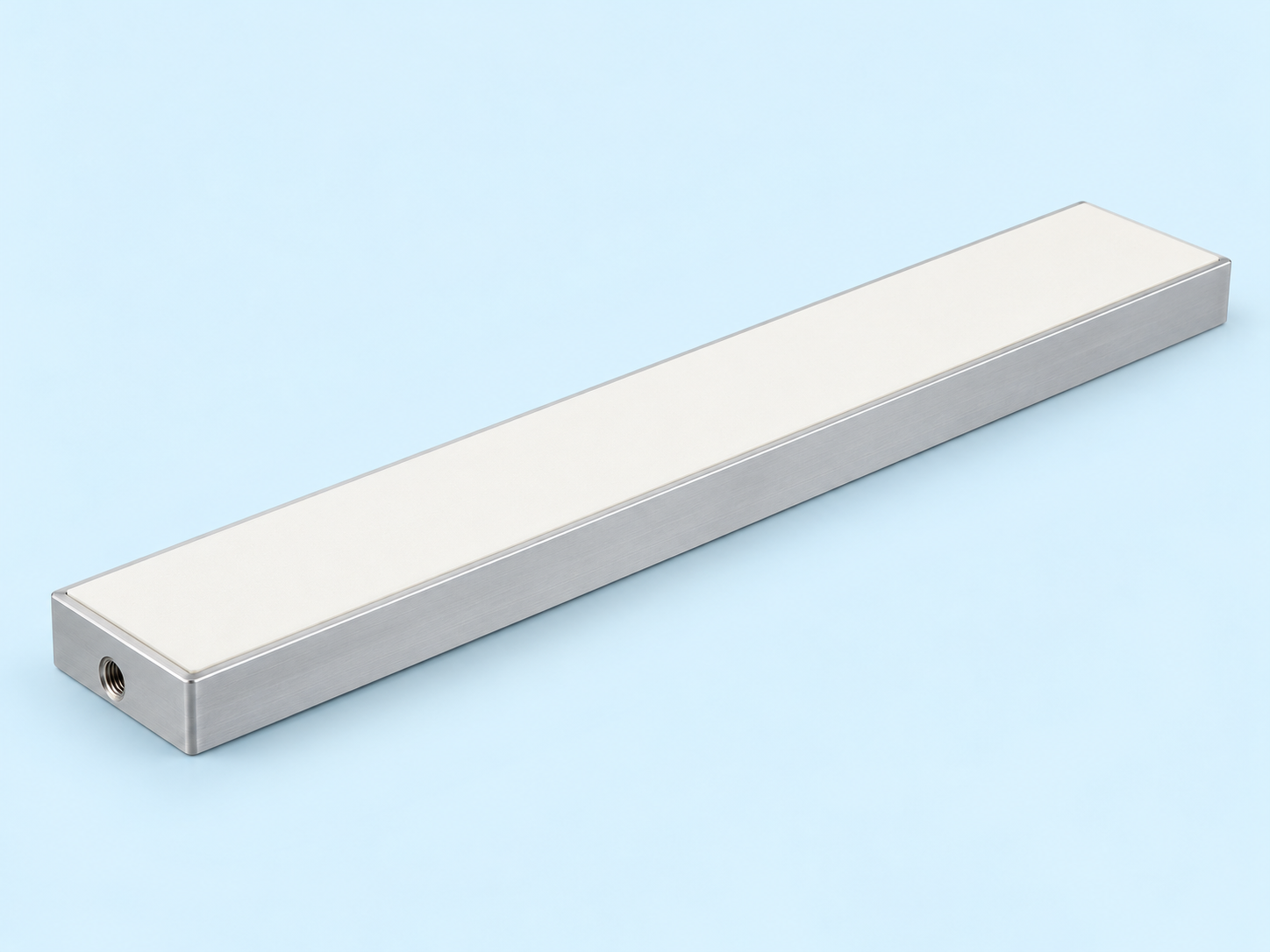
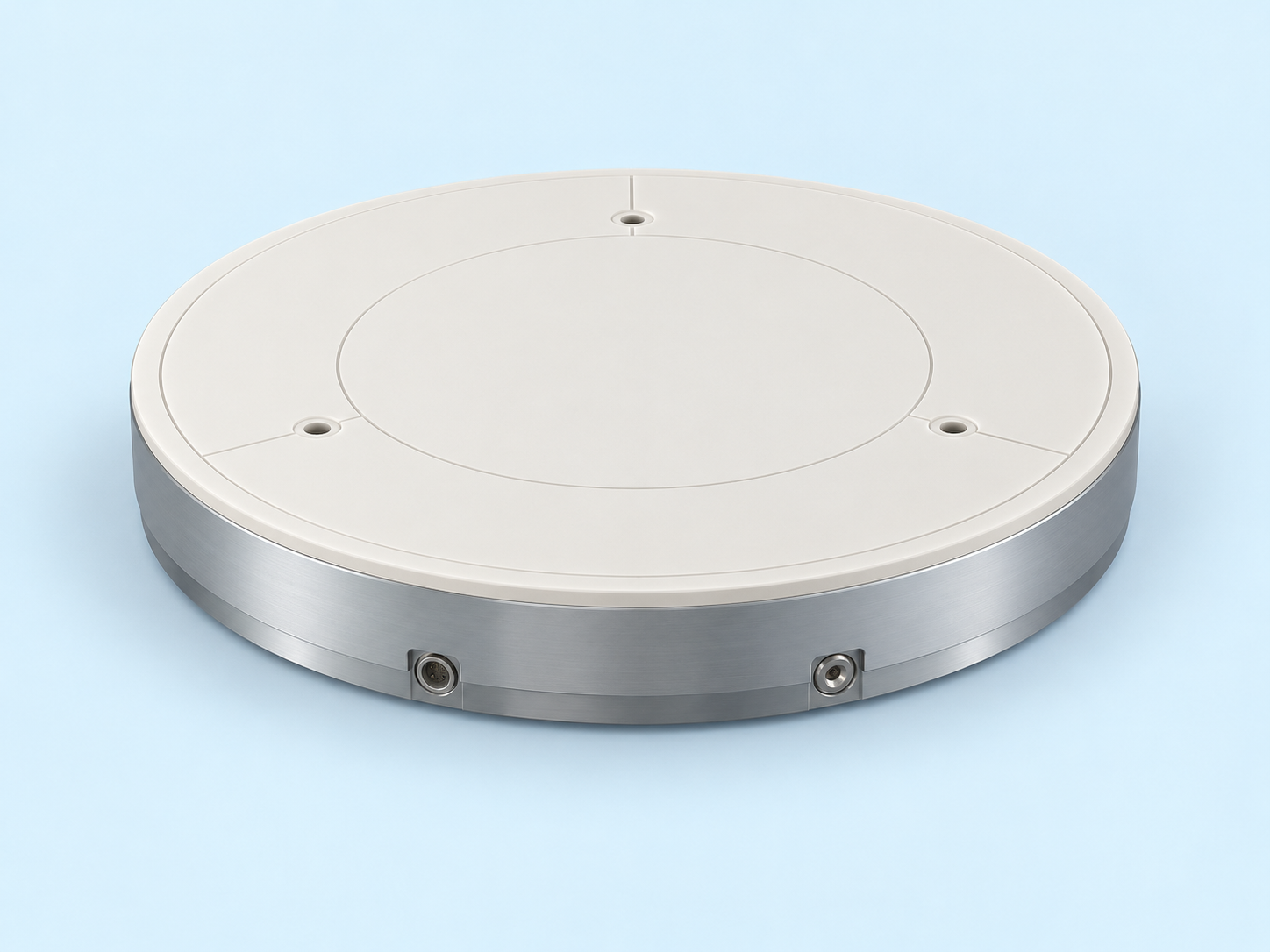
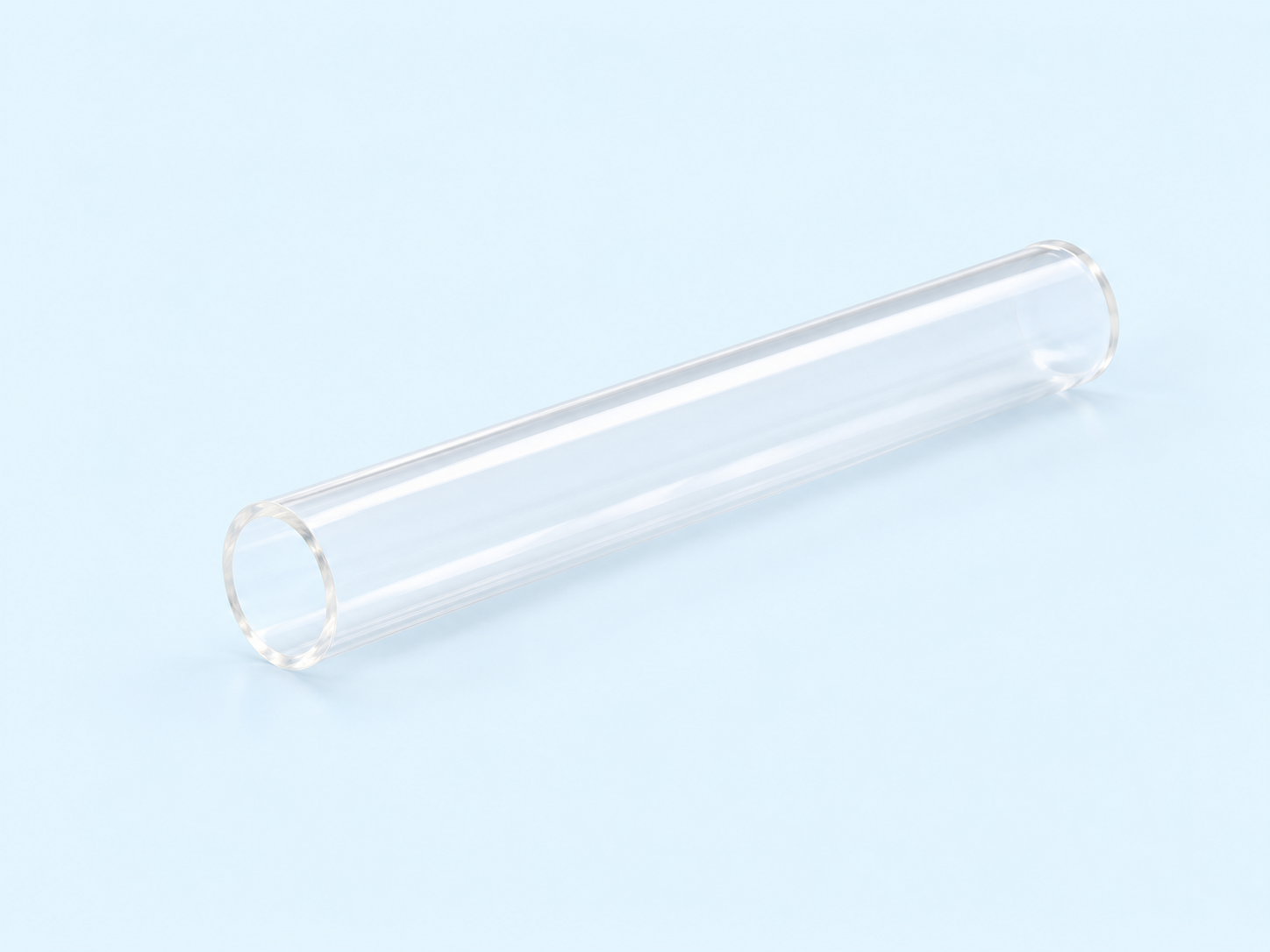
Quartz - with its purity, stability, and superior optical and thermal characteristics, remains an indispensable material across semiconductor, photovoltaic, chemical, laser, and aerospace industries. Cersol supplies custom fused quartz tubes, rods and machined parts produced against customer drawings, with grade, treatment and inspection agreed before production.
Key Properties
Exceptionally High-Temperature Resistance
Fused quartz has a softening point around 1730 °C and can operate continuously at 1100–1200 °C, making it suitable for diffusion, vacuum heating and optical processing.
Outstanding Optical Transmittance
With more than 90% transmittance from 190 nm to 2500 nm, quartz provides strong transparency across ultraviolet, visible and infrared ranges for optics and photonics.
Excellent Chemical Stability
Quartz resists almost all acids, bases and salts except hydrofluoric acid. Its chemical inertness limits reaction with most metals and gases, helping preserve material purity.
Minimal Hydroxyl Content and Impurities
Semiconductor-grade quartz reaches more than 99.999% SiO2 purity, with hydroxyl content of 0.5 ppm or less and metallic impurities in the ppb to ppm range.
Extremely Low Thermal Expansion
The linear thermal expansion coefficient is only 5.5 × 10⁻⁷ /°C over 20–1000 °C, which keeps dimensions stable under severe temperature change and limits distortion or cracking.
Superior Electrical Insulation
Quartz offers volume resistivity up to 1018 Ω·cm and a dielectric constant of about 3.7 at 1 MHz, maintaining insulation at high temperature and in vacuum.
Excellent Mechanical Strength
Fused quartz has a compressive strength of about 1100 MPa and a tensile strength around 50 MPa, giving rigidity and wear resistance for precision and vacuum service.
Excellent Thermal Shock Resistance
Quartz withstands temperature shocks above 1000 °C without cracking, which suits rapid heating and cooling in CVD and semiconductor diffusion processes.
Technical Data Sheet
| SiO2 purity | Above 99.999% for semiconductor grade |
|---|---|
| Hydroxyl (OH) content | 0.5 ppm or less |
| Metallic impurities | ppb to ppm range, depending on grade |
| Optical transmittance | Above 90% from 190 nm to 2500 nm |
| Softening point | About 1730 °C |
| Continuous service temperature | 1100–1200 °C |
| Linear thermal expansion coefficient | 5.5 × 10⁻⁷ /°C (20–1000 °C) |
| Compressive strength | About 1100 MPa |
| Tensile strength | About 50 MPa |
| Volume resistivity (25 °C) | Up to 1018 Ω·cm |
| Dielectric constant | About 3.7 at 1 MHz |
| Thermal shock resistance | Temperature shocks above 1000 °C |
The values above describe typical fused quartz and are intended for material screening. Strength and thermal-shock data depend on surface condition, edge finish, flaw distribution and test method, so finished components should be verified by testing where the application is load- or shock-limited. Final specifications follow the agreed technical documentation.
Dimensions and Tolerances
| Tube diameter (OD) | Up to 1000 mm maximum outside diameter, subject to wall thickness and length |
|---|---|
| Tube wall thickness (WT) | Up to 10 mm maximum; minimum wall depends on diameter and length |
| Rod diameter | Up to 100 mm |
| Roundness | 1% |
| Outside diameter tolerance | 1% |
| Wall thickness tolerance | ± 10% for tubes; not applicable to solid rods |
| Length | Specify the required maximum length and any cut-length tolerance |
Tolerances apply to the as-supplied dimensions. Secondary operations such as cutting, grinding, fire polishing and surface finishing can change both the dimension and the achievable tolerance, so they should be defined before quotation.
Applications
- Semiconductor diffusion and CVD: Process tubes, liners and carriers exposed to high temperature, vacuum and controlled atmospheres.
- Photovoltaic and optical processing: Furnace components and light guides where transmission from ultraviolet to infrared is required.
- Chemical processing: Containment and sight parts where acid resistance and low contamination are the governing requirements.
- Laser and photonics systems: Windows, rods and flow tubes selected by wavelength, thickness and power level.
- Aerospace and high-temperature instrumentation: Structural and shielding parts where thermal shock resistance limits the design.
Design and Qualification Considerations
Thermal Cycling
Specify heating and cooling rates, cycle count and whether cooling is forced or natural. Fused quartz tolerates rapid change better than most glasses, but surface flaws and clamping points are where thermal-shock failures usually begin.
Mechanical Support
Long tubes and large windows need support that allows thermal expansion. Point loading, sharp contact and rigid clamping are the most common causes of premature failure, and they are design issues rather than material issues.
Surface Condition
Chips, scratches and grinding marks reduce strength far more than data-sheet values suggest. Where strength matters, specify the acceptable surface condition, edge finish and any required proof test.
Information Needed for a Quotation
- Product form: tube, rod, plate, window or machined part.
- Drawing with dimensions, tolerances and critical surfaces.
- Grade requirement, including silica purity and hydroxyl content where optical performance matters.
- Operating temperature, thermal cycling, vacuum level and atmosphere.
- Chemical exposure and cleaning procedure.
- Surface finish, edge treatment and requested inspection.
- Quantity, prototype requirements and delivery schedule.
Frequently Asked Questions
Can quartz components be supplied to a drawing?
Yes. Tubes, rods and machined parts are produced against customer drawings. Dimensional tolerance, surface finish, edge treatment and grade should be stated on the drawing, and any deviation should be agreed before production.
Does the data sheet guarantee component strength?
No. The values describe typical material and are used for screening. The strength of a finished quartz part depends on surface flaws, edge condition, support geometry and thermal history, and should be verified by testing where the application is strength-limited.
Which chemicals attack fused quartz?
Hydrofluoric acid, hot concentrated phosphoric acid and, at elevated temperature, alkaline solutions. Most other acids, bases and salts are tolerated, but the cleaning chemistry should be reviewed as part of the project.
Send your drawing, grade requirement and operating conditions for a custom fused quartz component review.
Discuss Your Quartz Project